
Your Ultimate Travel Virgin Guide to Going International
Planning your first international trip? This travel guide for beginners covers everything you need to know, from passports to packing and staying connected, for a seamless and stress-free first time traveling.

Planning your first international trip? This travel guide for beginners covers everything you need to know, from passports to packing and staying connected, for a seamless and stress-free first time traveling.
So, you’re staring at a map, a little thrill mixed with a whole lot of “wait… what now?” International travel. It sounds glamorous, exciting, maybe even a touch intimidating. You’re not alone. At least 1.6 billion people traveled just last year, and guess what? You’re about to join the club. We’ll skip all the technical travel jargon and focus on the travel tips you actually need to know before you go deeper into the adventure.
Think of this as your pre-departure pep talk, covering everything from wrangling that all-important passport to figuring out how to avoid looking like a lost puppy in a foreign airport. Consider this your launchpad to a world of adventure. Nervous? Totally normal. Prepared? That’s what we’re here for.
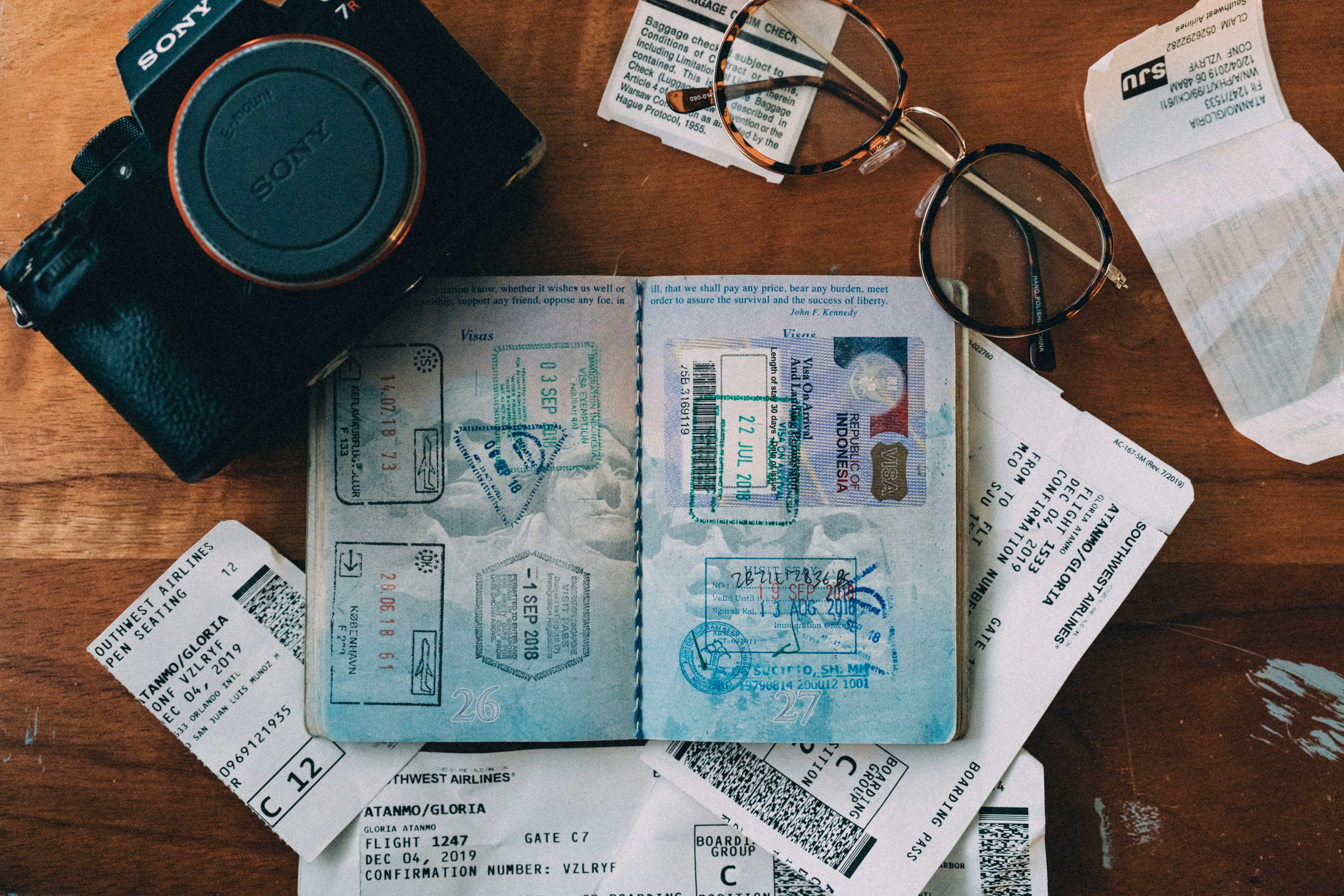
Photo by Kit (formerly ConvertKit) on Unsplash
Essential Planning & Documentation
First things first: your golden ticket – your passport. If you don’t have one, start the application process now. Processing times can vary, and the last thing you want is your dream trip delayed by paperwork. Once you have it, double-check the expiration date. Many countries require at least six months of validity beyond your intended stay.
You might also need a visa. The good news is, for many short tourist trips, you might not need one. A quick search on your destination country’s embassy or consulate website will give you the definitive answer based on your nationality. Don’t rely on Google search results or Reddit – official sources are your best friend here.
Then there’s travel insurance: think of it as your “oops” button for travel. A basic travel insurance policy can save you a mountain of stress and unexpected costs, especially if you run into an emergency abroad. Do a little research and choose a policy that fits your needs. Some regions, like the European Union, require travel insurance booked in advance as part of their visa application process.
Pro tip: Keep copies of all your important documents both digitally and physically. Keep them in places that are easy to reach and to secure. Plus, it’s easier to check if you didn’t lose your passport while you’re navigating the chaos that is an airport security queue.

Photo by Emil Kalibradov on Unsplash
Budgeting & Financial Preparation
Let’s face it, travel costs money. But with a little planning, it doesn’t have to break the bank. Start with a basic budget framework: estimate your major expenses (flights, accommodation, activities) and then factor in daily costs for food, transportation, and those inevitable splurges. Can’t spend too much? Try looking up ideas for beginner-friendly destinations that are also great on the wallet.
Before you go, it’s good to notify your credit and debit card companies about your travel dates and destinations. This helps prevent your cards from being flagged for suspicious activity and potentially blocked. Also, familiarize yourself with any foreign transaction fees your bank might charge, especially if you’ll be charged for withdrawals.
Having some cash on hand is always a good idea, especially for rural areas or in situations where cards aren’t accepted. Research the currency exchange rates and consider exchanging a small amount of your local currency before you leave or at a reputable exchange once you arrive. Avoid exchanging large sums at airports, as the rates are often less favorable.
First-timers often forget a few hidden costs: baggage fees, airport transfers, data roaming fees, and those “optional” but tempting excursions. Factor these in to avoid budget surprises (and get yourself a Jetpac travel eSIM so you can skip the sky-high roaming bills). Finally, have a money emergency backup plan. This could be an extra credit card or carrying enough cash with you.
Packing Smart for Your First Adventure
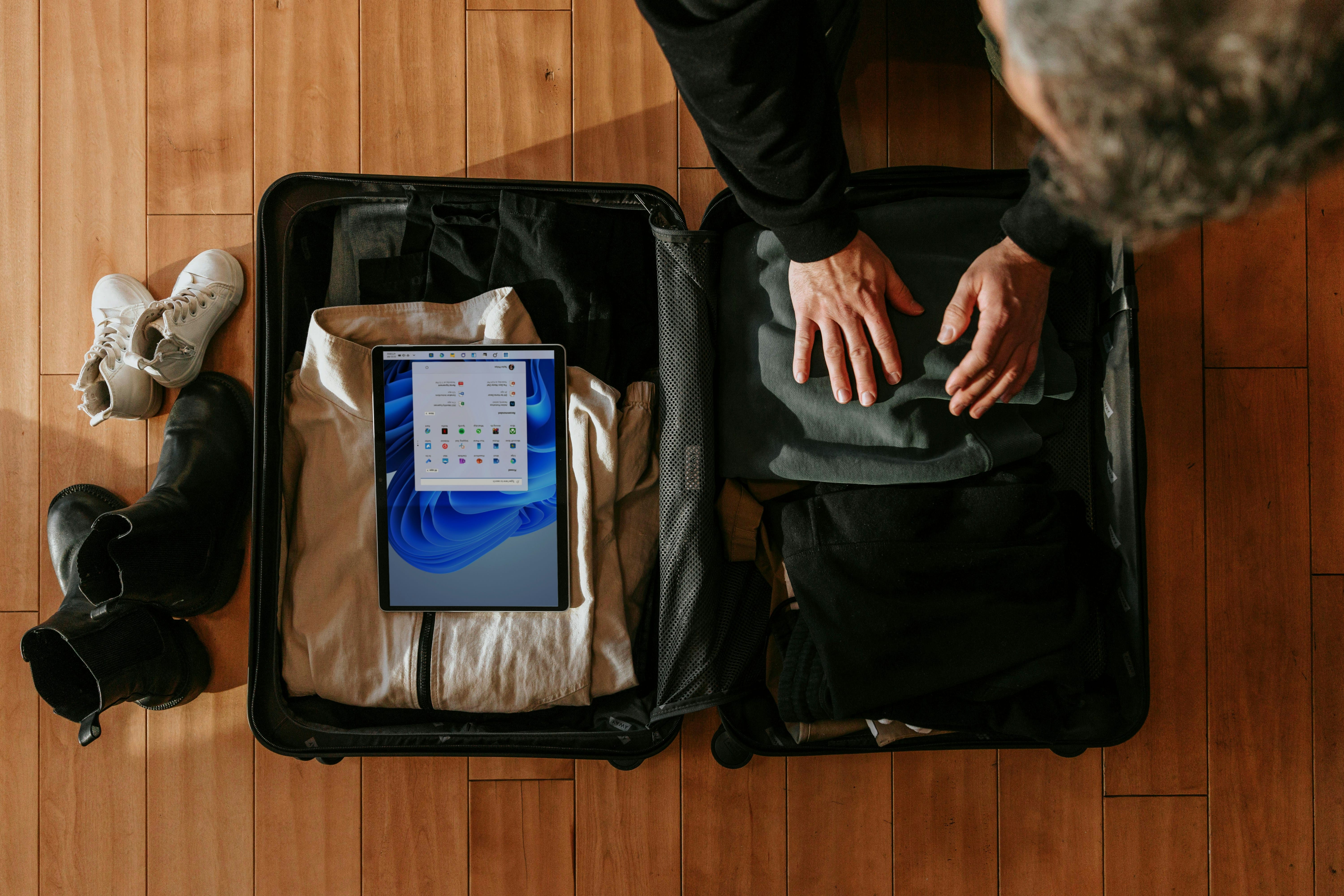
When it comes to packing for your first international trip, the mantra is “less is more.” Especially as a beginner navigating unfamiliar places, lugging around a giant suitcase is more hassle than it’s worth. Stick to the essentials.
What are those universal packing essentials? Comfortable walking shoes are non-negotiable. Pack versatile clothing items that can be mixed and matched. Consider the climate of your destination and pack accordingly – layers are always a good strategy. Don’t forget essential toiletries (travel-sized to comply with airline regulations) and any necessary medications with their prescriptions.
For electronics, a universal adapter is your new best friend. Make a checklist of your must-have devices and their chargers. Consider a portable power bank, especially for long travel days.
Avoid these first-timer packing mistakes:
- Overpacking heavy items "just in case"
- Forgetting essential medications
- Not researching the specific needs of your destination (e.g., swimwear for a beach destination, modest clothing for certain cultural sites)
Pay attention to security when packing. Keep important documents and valuables (like expensive jewelry) in your carry-on bag, preferably in a secure pouch.

Photo by Terrillo Walls on Unsplash
Staying Connected Abroad
In today’s world, connectivity isn’t just a luxury; it’s often crucial for safety, navigation, and staying in touch. Imagine trying to find your way in a new city without maps or needing to contact someone in an emergency without a working phone. Yikes!
Let’s quickly compare your connectivity options: roaming with your home mobile plan can be expensive. Local SIM cards can be a cost-effective option for longer stays, but require you to physically swap SIMs and might not work seamlessly across borders if you’re visiting multiple countries.
An eSIM (embedded SIM) is a digital SIM card that you can activate remotely, often before you even leave home. This can be a convenient and cost-effective option, especially for shorter trips or multi-country travel. Upon installation, all you have to do is turn it on after you arrive at your destination. Jetpac is a great travel eSIM option that you can go for, especially if you’re trying out all the big-name brands. You can get a 1 GB for just 1 USD, and it’s valid for 4 days upon activation.
Download essential travel apps like Google Maps before you leave, in case you’re not going for eSIMs or relying on WiFi. Finally, be mindful of battery conservation. Carry a portable charger and adjust your phone settings to maximize battery life, especially during long travel days.

Photo by Launde Morel on Unsplash
Navigating Destinations & Cultural Norms
Stepping off the plane in a new country can be a bit overwhelming. Familiarize yourself with airport arrival basics: follow the signs for immigration, baggage claim, and transportation. Have your passport and any required arrival documents readily accessible. Research your transportation options from the airport to your accommodation beforehand (train, bus, taxi, ride-sharing apps). You can also read up on travel tips for beginners for common things to look out for.
Getting lost happens. Have a navigation strategy: use your eSIM to connect to Google Maps (or download maps in advance), ask locals for help (a polite “excuse me” and a smile go a long way), and don’t be afraid to backtrack if you’re unsure.
Embracing cultural adaptation will enrich your experience. Research basic customs and etiquette of your destination. Dress modestly when visiting religious sites, be mindful of noise levels, and learn a few basic phrases in the local language – even “hello,” “thank you,” and “please” can make a big difference in how you’re received.
Things don’t always go according to plan. Be prepared for unexpected situations like flight delays or minor emergencies. Have backup plans and know how to access help if needed.

Photo by Adrian Agawin
Final Preparations Before You Travel
The week before you leave, run through a final departure checklist: confirm your flights and accommodation, pack any last-minute items, and double-check your documents.
Jet lag can be a real downer, especially after long flights across time zones. Research basic management techniques like adjusting your sleep schedule a few days before departure and staying hydrated during your flight. It’s also good to keep moving if you’re going on a long-haul flight, as it’ll keep you from getting blood clots and help you feel more comfortable.
It’s also key to establish a communication plan with family and friends back home so they know your itinerary and how to reach you in case of emergency. If you’ve already gotten your eSIM, Jetpac Voice can come in handy for moments when you don’t have access to data or just need to call a number directly without apps like WhatsApp. With call packs starting at USD 1.99, it’s a great addition to your travel toolkit.
Finally, after your trip, take a few moments for a post-trip retrospective: sort through your camera roll, look up some beginner travel hacks to level up your next trip, and most importantly, start booking your next vacation.

Photo by PNW Production
Make Your First Time Hassle-Free with Jetpac eSIM
Remember that every seasoned traveler was once a first-timer. Stay flexible, embrace the unexpected, and don’t be afraid to ask for help. The world is a fascinating place, and it’s waiting to welcome you. With Jetpac, you won’t have to worry about not connecting while you’re abroad for the first time. Get yourself an eSIM now so you can travel like a pro!