Digital Nomad Germany: Where to Live, Costs, Visas & Tips
Thinking about life as a digital nomad in Germany? Learn about cities, costs, visas, and how an eSIM keeps you online from arrival to everyday work.
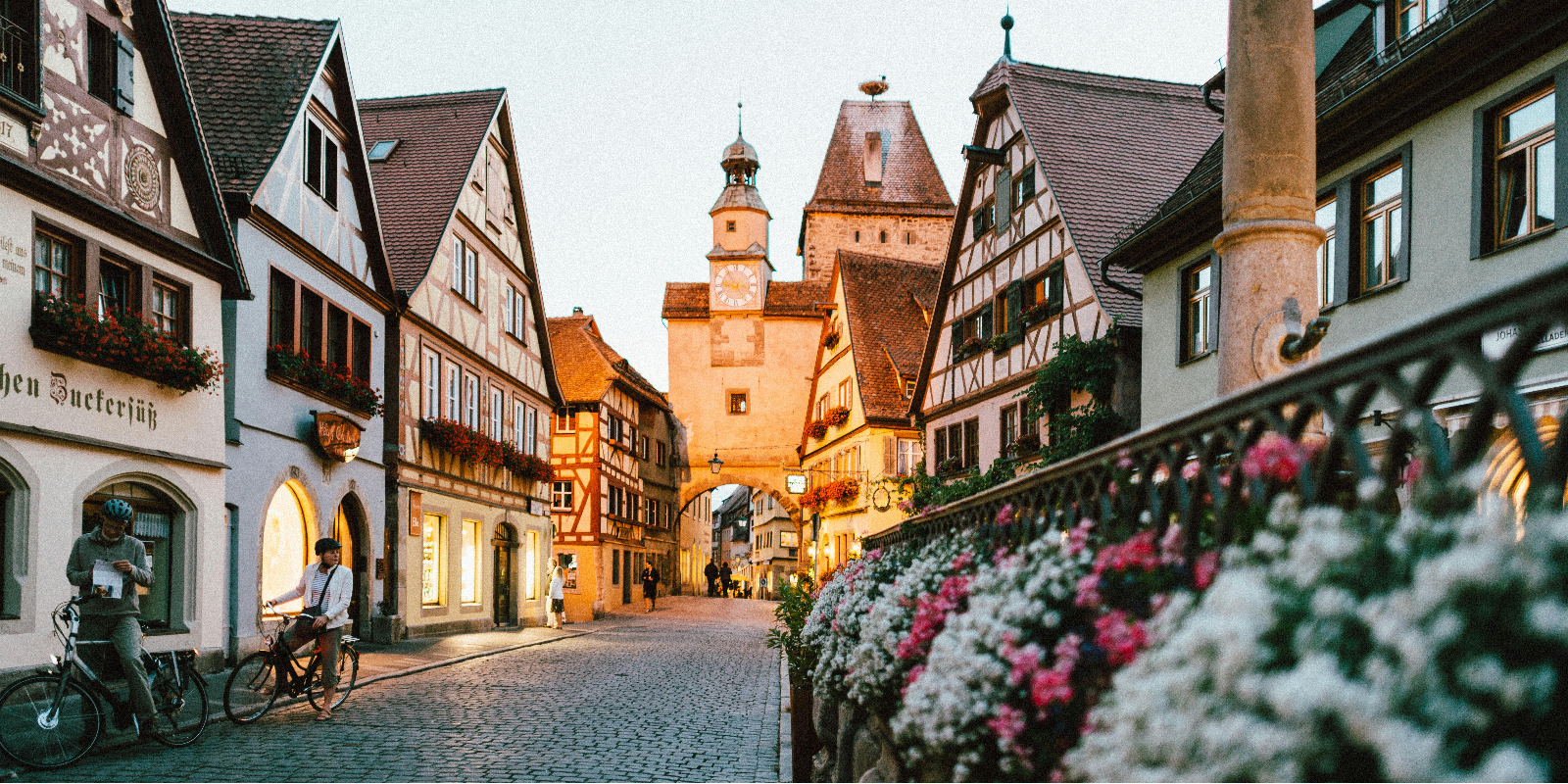
Living as a digital nomad in Germany means choosing a city that fits your budget, lifestyle, and visa plans while still keeping your workday steady. Planning for rent, coworking, transport, and health insurance upfront prevents most surprises. Furthermore, a Jetpac eSIM helps by keeping maps, banking apps, and client calls smooth as you move between German cities and other European destinations.
Why Germany Works So Well as a Digital Nomad Base
Germany works well as a long-stay base because everyday life is structured and predictable. Public transport is reliable, the internet speed is strong, and cities feel safe to walk around in the evenings. For anyone considering Germany for their digital nomad plans, everyday stability often matters more than tourist sights. You get a solid base where your workday can run smoothly, not just another city to tick off a list.
The country sits in the middle of Europe, which makes weekend trips to other countries simple by train or short flights. Also, the time zones align well with European clients and still give overlap for calls with North America. Berlin, Munich, Hamburg, and several mid-size cities all have active startup and tech scenes, while smaller hubs offer a calmer pace if you prefer quiet places. Many people try life as a digital nomad in Germany for a few months before committing to a full relocation or long-term visa, and often sort out basics like banking and mobile data in advance. That is why some remote workers set up a Jetpac eSIM for Germany before they arrive, so that when they land, apps like maps, messaging, and email work from the moment they arrive.
Visas and Legal Basics: Can You Work Remotely from Germany?
If you want your life as a digital nomad in Germany to be more than a short trip, you need to know how long you can stay and which residence option fits you the best. The rules are different for EU citizens, non-EU visitors, and people who see Germany as a long-term base.
EU, Non-EU, and How Long You Can Stay
EU and EEA citizens can usually live and work in Germany without a visa. Non-EU travelers may be allowed to stay up to 90 days visa-free, depending on their passport, but this does not automatically make working remotely legal. Many people search for how to move to Germany and assume they can work online on a tourist visa, yet that is in a gray zone and can cause issues if discrepancies in immigration or taxes come up later. If you are moving to Germany from the USA or another non-EU country, it is safer to treat the first 90 days as a test period and not a permanent solution.
Main Pathways Remote Workers Actually Use
There is no single official German digital nomad visa, but there are realistic paths that various remote workers use. The most common is the freelance visa for self-employed people, the Opportunity Card for skilled workers looking for jobs, and employer-sponsored permits if your company hires you on a local contract basis. When people ask how to move to Germany from the US, the freelance visa or an employer-backed residence permit are the top recommendations from the experts. Before you decide whether a German digital nomad visa option is right for you, think about your income level, client base, and whether you want to stay independent or join a German employer.
Basic Requirements You Should Expect
No matter which path you choose, you should expect paperwork. A typical application involves proof of income, contracts or letters from clients, a portfolio or CV, health insurance, and proof of accommodation. German bureaucracy is very document-driven, so staying organized is part of how to move to Germany in a realistic way. Also, visa rules can change, so always check official government sites or speak with an advisor before relying on any one option.
Where to Live in Germany as a Digital Nomad
Choosing a base city is one of the most important decisions for any digital nomad in Germany. A number of factors, like costs, community, and work style, all change from city to city, so it is worth picking a place that matches how you like to live and work, not just the one you see most on social media.
Berlin – Creative, International, and Flexible
Berlin is often the first place people picture when they think about their life as a digital nomad in Germany, because it feels both international and laid back. English is widely spoken in cafés, coworking spaces, and startups, so getting settled does not feel overwhelming on day one. The city is full of flexible work options, from independent coworking hubs to casual laptop-friendly coffee shops, which makes it easy to build a routine that fits your schedule. While rents have climbed in recent years, shared apartments and co-living still keep Berlin more approachable in comparison with many other major European capitals. For most nomads, the big draw is the mix of nightlife, creativity, and diverse neighborhoods, balanced with a real downside: housing can be competitive, and the rental process can feel confusing until you learn how the local system works.
Munich – High Quality of Life Close to Nature
Munich is cleaner, more orderly, and more traditional than Berlin, with easy access to the Alps and nearby lakes. It is ideal for professionals who want structure, tidy streets, and easy outdoor escapes on weekends. That quality of life comes at a price, so choosing Munich as your base usually requires a stronger budget for rent and daily costs. Coworking spaces and cafés are easy to find across the city, and the overall vibe matches the city itself: more polished and professional than experimental.
Hamburg – Port City with a Calm but Urban Feel
Hamburg blends its maritime history with a modern, urban lifestyle. The city has a strong media and music presence along with reliable public transport, and plenty of green spaces along the water, which gives it a softer feel than many big hubs. The weather can be gray and rainy, yet many digital nomads in Germany like the balance between calm neighborhoods and lively districts. The coworking spaces and furnished rentals are spread around central areas with good U-Bahn and S-Bahn links, so you don’t need to rent a car and can still move easily between home, cafés, and the office.
Leipzig and Smaller Cities – Lower Costs, Slower Pace
Some nomads skip the big hubs and choose cities like Leipzig, Cologne, or Düsseldorf for lower rents and a slower daily rhythm. These places still offer solid railway connections and walkable, local-feeling neighborhoods, but without the constant rush of Berlin or Munich. You will find fewer English speakers and smaller nomad communities, yet the tradeoff is a more grounded life where routines feel stable. This setup often works well if you are moving to Germany for focused work and long projects rather than nonstop events and networking.
Read More:
If you want to see how Germany compares with other hubs, reading through the Best Countries for Digital Nomads can help you plan a wider remote work route.
Read our blog 👉 Best Countries for Digital Nomads: Top Picks for Remote Work
Cost of Living in Germany for Digital Nomads
Understanding cost is essential if you are moving to Germany from the USA or another higher-priced country. Some things will feel cheaper than home, others will not, and your choice of city changes everything.
Typical Monthly Budgets by City Type
In a big city like Berlin or Munich, a modest lifestyle for a digital nomad in Germany might be from $1,700 to $2,200 per month. That usually covers rent in a shared apartment, health insurance, groceries, public transport, and a basic coworking membership. In a smaller city such as Leipzig, a budget of $1,300- $1,700 can be realistic. Anyone researching about how to move to Germany from the USA should look at these ranges when deciding how much savings to bring.
Big Costs You Need to Plan
The biggest part of your Germany budget usually goes into rent, deposits, health insurance, and transport. Most landlords ask for 1 to 3 months of rent as a deposit, plus the first month in advance, so housing can be expensive even before you move in. On top of that, comprehensive health insurance can become a steady monthly commitment if you stay on a long-term permit. In addition, if you like exploring different cities, regular long-distance train trips quickly add another layer of cost. Putting all of this into your first-year budget upfront makes it easier to see whether your income comfortably supports life as a digital nomad in Germany or not.
Simple Ways to Keep Costs Reasonable
A few of the easiest ways to keep everyday spending under control are to shop at discounted supermarkets, cook at home regularly, and use monthly transport passes instead of buying single tickets. On the housing side, choosing mid-term rentals or co-living rather than short Airbnb stays often lowers your rent and reduces the stress of moving all the time. When you combine these habits and plan ahead for the bigger expenses, it becomes much easier to enjoy life as a digital nomad in Germany without constant money worries.
Setting Up Your Workday: Internet, Coworking, and Getting Around
Once visas and housing are sorted, your routine matters most. Daily comfort and reliable work time will determine whether life as a digital nomad in Germany feels sustainable or not.
Internet Speed and Mobile Data in Germany
Cities in Germany usually have strong fiber or high-speed broadband, and mobile networks cover most populated areas. Remote workers often combine home Wi-Fi, coworking, and hotspot tethering, especially when working from trains or parks. An eSIM for Germany lets you add local data without visiting a store, and a flexible Germany eSIM is useful if you travel across borders often for work or weekend trips.
Coworking, Cafés, and Public Spaces
Coworking spaces in major cities typically include fast internet, meeting rooms, and community events. Prices vary by city and location, but are usually cheaper than renting a dedicated office. Working from cafés is common as long as you order regularly and keep calls short or take them outside. Libraries and quiet public spaces offer another option for work days. Mixing these choices helps keep life as a digital nomad in Germany productive without feeling stuck in one place.
Getting Around Without a Car
Germany’s public transport network is dense and reliable. Local and regional apps make it easy to plan routes and check delays, and monthly passes save money if you travel frequently. For weekend trips, long-distance trains are fast, while buses are cheaper if you are flexible on time. Major cities also have strong bike lane networks and scooter or bike sharing, which many remote workers use instead of owning a car.
Taxes, Health Insurance, and Paperwork: What Remote Workers Need to Know
You do not need to become an expert in German law, but you should understand the basics that affect life after moving to Germany.
When You Become a Tax Resident in Germany
If you register an address and spend more than around 183 days a year in the country, you usually become a tax resident. At that point, the German government may impose tax on your global income, even if your clients are all abroad. If your plan involves moving to Germany from the USA or another non-EU country for more than a few months, speaking with a tax advisor is a smart step before you commit.
Health Insurance Options for Digital Nomads
Health insurance is not optional for longer stays. Some people join the public system through employment, while others choose private or international plans. For many remote workers using Germany as a base, flexible international policies help in the first year, and then they explore local options once they decide to stay longer as a digital nomad in Germany.
Key Admin: Registration, Bank Accounts, and SIMs
Address registration (Anmeldung) is required for many tasks, from opening a bank account to completing some visa steps. Digital banks allow new arrivals to manage euros without many branch visits. Furthermore, for data and voice connectivity, you can buy a local SIM or use an eSIM from Jetpac for your stay in Germany.
Daily Life in Germany: Culture, Language, and Community
Beyond paperwork and rent, life as a digital nomad in Germany comes down to everyday habits and how you connect with people around you.
Cultural Habits That Surprise Most Nomads
Punctuality is taken seriously, quiet hours are enforced in many apartment buildings, and recycling rules are detailed. Communication can feel very direct, but in most cases, it is about clarity rather than rudeness. Understanding these patterns helps every remote worker moving to Germany adapt faster and avoid friction.
Getting By with English vs Learning German
In major cities, you can get through most of your day speaking English, especially in tech, startup spaces, and international coworking hubs. Once you move into smaller towns or local neighborhoods, basic German becomes much more useful for shops, offices, and conversations with neighbors. Learning a handful of phrases for groceries, appointments, and transport not only makes errands easier, but it also shows respect for the culture, even if you only plan to live as a digital nomad in Germany for a year or two.
Meeting People and Finding a Community
Building a circle of people around you matters just as much as choosing a city. Coworking spaces, meetup groups, and language exchanges are easy ways to meet other remote workers and expats with similar routines. If you want to connect with locals, hobby clubs, sports teams, and volunteering usually work better than relying only on expat bars. When you balance online work with offline routines, digital nomad life in Germany starts to feel like a real home base instead of a long layover.
Jetpac for Digital Nomads in Germany and Across Europe
Staying online is part of your basic toolkit when your banking apps, two-factor codes, client calls, and work tools all live on your phone. If you choose Germany as a base but take regular trips across Europe, buying and swapping new SIM cards in every country quickly turns into an admin task. Many digital nomads prefer one setup they can keep using across borders instead of managing a new SIM in every destination.
Jetpac is the most reliable option as it is an eSIM that works in 200+ destinations that you can set up once and then simply top up before your next trip. In each country, it connects to multiple networks, so your data stays on as you move between German cities and other European hubs. Pricing is 100% upfront with no hidden charges and can be up to 70% cheaper than traditional roaming, which means no surprise bill shocks after a busy travel month. For many remote workers, this makes Jetpac one of the best eSIMs for Germany options while still working smoothly across the rest of Europe.
You can turn your phone into a hotspot with unlimited hotspot sharing without any data restrictions, which is helpful if you work from a laptop or share with friends. Even when your data runs out, free access to apps like Uber, WhatsApp, and Google Maps is there, so you can still get around and stay in touch. If something is unclear or stops working, our 24/7 customer support team is available by WhatsApp or email, so you are not dependent on local store hours in a new city.
For calls and faster speed, Jetpac also offers outgoing voice calls and a 5G network in 50+ countries, starting from $1.99 for five minutes. If you want an eSIM for Germany that works when you cross borders, Jetpac lets you use one Germany eSIM as part of a wider European plan. That way, your eSIM for Germany becomes a single flexible layer that supports your work wherever your next train or flight takes you.
FAQs
Do I need a separate German company to invoice my international clients?
Not always. Many remote workers keep their existing company or sole trader setup while they test life in Germany, but once you stay longer and become a tax resident, you should get local advice on whether a German entity makes sense.
How long can I “test” Germany before I have to think about taxes?
Short visits of a few weeks are simple, but once you spend around 183 days in a year and register an address, German tax rules usually apply. If your digital nomad in Germany plan involves long stays, speak with a tax professional early.
Is Germany a good base if I want to travel around Europe every few weeks?
Yes. Fast trains and low-cost airlines make it easy to visit other countries regularly, which is why many people use a German eSIM or international plan and treat the country as their main base.
How hard is it to find short-term furnished rentals in major German cities?
It can be competitive, especially in Berlin and Munich, but co-living spaces, serviced apartments, and mid-term rental platforms help. Starting with a one or two-month stay gives you time to search from inside the country.
Can I keep my home country's health insurance while staying in Germany?
For short stays, this may be possible, but for long-term visas, Germany usually expects valid health insurance that meets local standards. Check both your policy and visa requirements carefully.
How much German do I need to know before moving there as a remote worker?
You can arrive with only basic phrases, especially in big cities, and learn more over time. Knowing key words for banking, transport, and groceries makes everyday life smoother and more relaxed.
Can I rely on an international eSIM from Jetpac instead of buying a local SIM in Germany?
Many nomads do exactly that. An eSIM for Germany from Jetpac covers data, calls, and roaming in multiple countries, so you do not need a separate local SIM every time you cross a border.
Disclaimer:
Visa rules, tax regulations, health insurance requirements, and connectivity offers can change over time. This blog is written for general information only and is not legal, tax, or financial advice. Always check official German government sources, consult qualified professionals before making decisions about moving to Germany, and review the latest Jetpac plan details before purchasing a Germany esim or any other service.