Everything You Need To Know About Data Roaming
Dive deep into data roaming and discover how you can save on your roaming bills

Still wondering why you’re getting a huge bill after you travel? Discover what data roaming is and how to save while staying connected!
If you travel often, you’ve probably had that moment when you land in a new country, switch on your phone, and instantly get a text warning about data roaming charges. Not exactly the warmest welcome, right?
But what is data roaming exactly?
Simply put, data roaming happens when your phone connects to a network outside your home country, allowing you to still use mobile data, such as checking maps, sending messages, or posting that airport arrival selfie. The problem? Data roaming can get really expensive.
The good news? There’s now a smarter (and cheaper) way to stay connected while traveling abroad: using an eSIM. In this post, we’ll break down what data roaming is, why it can quietly drain your wallet, and how you can easily steer clear of it by switching to an eSIM.

What is Data Roaming?
Data roaming, often called international roaming, is what happens when your phone connects to a mobile network when you arrive in a new country. Instead of using your local carrier's network, your phone "roams" and connects to a partner network in the country you are visiting. This allows you to keep using the internet even when you’re far from home.
But here's the catch: using international roaming usually comes with much higher fees. Since you're essentially “borrowing” another network, your home carrier charges you extra for the convenience. You could be surprised to receive a surprisingly high phone bill when you come home!
So, what is data roaming? In short, it is your mobile carrier’s way of keeping you connected abroad. However, it can come with a hefty cost unless you find a smarter alternative, like an eSIM.
How Does Data Roaming Work?
When you travel abroad and turn on mobile data, your phone automatically searches for available networks in the country you're visiting. Since your home network isn’t available, your carrier connects you through a local partner network instead. This is when data roaming comes into play.
Your phone basically “roams” by using the foreign network to send and receive data. Behind the scenes, your carrier is billed by the local network for your data usage, and then those charges are passed on to you, often at much higher rates.
While the seamless connection that data roaming provides makes travel more convenient, it’s also the reason why international traveling can become expensive very quickly. That’s why many travelers turn to alternatives like local SIM cards or eSIMs to stay connected without the shock of unexpected charges.
When Do You Get Charged for Roaming?
You can get charged for data roaming the moment your phone connects to a foreign network, often as soon as you land and turn off airplane mode. If mobile data is enabled, your phone may start using data in the background. When you start checking emails or refreshing apps, you are already being charged without you even realizing it. This is how data roaming fees can sneak up on you.
Depending on the network and your plan, you might also incur charges for sending texts, making calls, or even receiving voicemails while abroad.
To stay on the safe side, it’s important to know how to avoid roaming fees. Turning off mobile data, disabling roaming in your phone’s settings, or switching to an eSIM or local SIM card are all smart ways to stay connected without racking up a massive phone bill.
Network Behavior While Roaming
When your phone is roaming, it behaves a bit differently than it does at home. Instead of connecting to your usual carrier’s network, it latches onto a partner network in the country that you are visiting. It usually picks the one with the strongest available signal. However, that can change as you move around. As a result, your device may switch between networks in the background without you noticing.
Since you are not on your home network, signal quality and data speed can vary depending on the local provider’s coverage, network congestion, and how strong the roaming agreement is. You might experience slower speeds or less reliable service compared to what you're used to back home.
Is Roaming Expensive?
Data roaming can get expensive in most cases. Major mobile carriers often charge anywhere from $8 to $20 per GB of data when you use your mobile data abroad. Some even apply daily data roaming fees that add up quickly, especially if you visit multiple countries and stay abroad for an extended period.
These charges are a result of using foreign networks, which your home carrier has to pay for, which explains why they have to pass the cost onto you. The problem is, you may not always realize how much data you are using when traveling around. Background app activity, automatic updates, and even simple navigation can quickly rack up megabytes (or gigabytes) without any warning.
That’s why it’s important to understand how to avoid roaming fees. One easy step is to turn off data roaming in your phone settings before or during your trip. Better yet, consider alternatives like eSIMs or local SIM cards for more affordable, predictable data while you travel.
Why does your data run out so fast?
You might be surprised to see your data run out after a few days of use, even if you’ve paid for a data pack beforehand. The most common reason behind this is because of background app activity and automatic updates.
Even though you’re not using your phone actively, it still costs data to send you push notifications and retrieve text messages, emails, and more.
If you have your photos synced to the cloud such as with iPhone’s iCloud Photos, then it’d eat up a huge chunk of your data by simply uploading and downloading your photos from cloud storage. Streaming music and especially video also contributes to your data running out quicker than you might think.
Tips to Avoid Roaming Charges
Want to save money on your next international trip? Follow these simple tips on how to avoid roaming charges:
Turn off data roaming – this is the easiest way to stop your phone from using mobile data abroad.
Use Wi-Fi whenever possible – connect to secure Wi-Fi networks when making video calls or watching videos to save your data.
Download maps and media in advance – save what you need before your trip to avoid using data on the go.
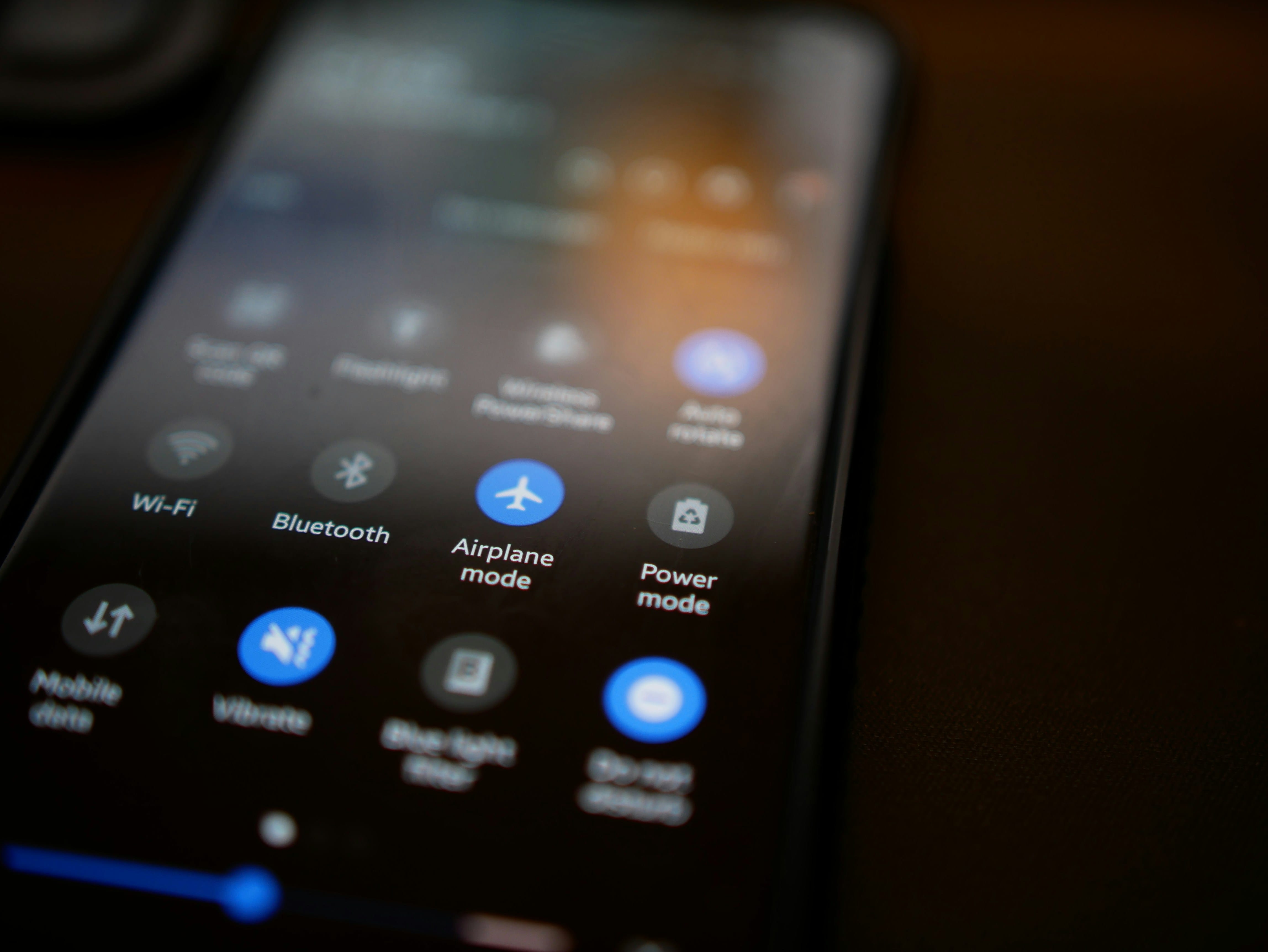
Enable airplane mode and turn on Wi-Fi – doing this stops all mobile data usage while still letting you use Wi-Fi.
Switch to an eSIM – switching to an eSIM is no doubt the best way to save on data when traveling abroad these days.

Roaming Charges by Country/Region
To give you an idea of how much you could end up spending when using data roaming, check out these typical data roaming charges per GB for travelers using their home carrier in some popular destinations:
| Country | Estimated Roaming Cost (USD per GB) |
| USA | $10 – $15 |
| UK | $8 – $12 |
| Japan | $10 – $20 |
| Mexico | $10 – $15 |
| Turkey | $12 – $20 |
| Italy | $8 – $12 |
| Spain | $8 – $12 |
| Thailand | $8 – $15 |
Note: Traditional roaming costs vary depending on your home carrier. However, these ranges reflect what most global users are being charged without a local plan or travel add-on.
How to Turn Off Roaming
Here's how to turn off roaming on most smartphones:
On iPhone:
Go to Settings
Tap Cellular or Mobile Data
Select Cellular Data Options
Toggle Data Roaming off
On Android:
Open Settings
Tap Connections or Network & Internet
Select Mobile Networks
Toggle Data Roaming off
Once your data roaming is switched off, your phone will not be able to use mobile data when you're outside your home network. Thus, you can avoid paying expensive roaming fees.
Why eSIM Is the Best Roaming-Free Option
Unlike traditional data roaming, which can be expensive and unpredictable, eSIMs give you more control, flexibility, and transparency. With an eSIM, you can download a local or international data plan directly to your phone before or during your trip. There is no need to worry about your phone connecting to a costly foreign network. It’s a digital solution that works instantly and often at a fraction of the cost of roaming.
eSIMs are also easy to manage. You can monitor your data usage, top up if needed, or switch plans through an app, which is not possible with standard roaming. And since eSIMs don’t take up your physical SIM slot, you can keep your home number active for calls and texts while using data through your eSIM.
Roaming vs eSIM vs Travel SIM
To see why eSIM is the smartest choice for travelers, take a look at this comparison of eSIM vs roaming and travel SIM options:
| Feature | Roaming | Travel SIM | eSIM (Jetpac) |
| Cost | $$$ | $$ | $ |
| Setup | Automatic (no setup) | Manual (physical SIM needed) | Instant (QR code activation) |
| Data Control | Low | Medium | High |
As you can see, eSIMs, especially Jetpac, offer more advantages when it comes to cost, setup, and data control. They are more affordable, incredibly easy to activate with a quick QR code scan, and give you greater control over your data usage while you travel abroad.
Common Myths About Data Roaming
Think you know how data roaming works? These common myths might prove you wrong:
“Roaming only affects data.”
Roaming charges do not only apply to data. It also applies to calls, texts, and voicemails.
“Wi-Fi use means I’m safe from roaming fees.”
Not always. If data roaming is still enabled, your phone may switch to mobile data without warning.
“Roaming charges are the same in every country."
Roaming rates vary widely depending on your carrier and destination.
"I don’t use my phone much, so roaming won’t cost me."
Background apps and automatic updates can use data without you realizing it.
“Turning off mobile data is enough."
To fully avoid charges, you should also turn off data roaming in your settings.
Conclusion: Skip Roaming Stress with Jetpac
Traveling shouldn’t come with the added stress of tracking data usage or worrying about unexpected charges. With Jetpac, you can skip the hassle of traditional roaming and stay connected the smart way. As an eSIM for international travelers, Jetpac offers affordable, flexible data plans that you can activate in an instant!
Jetpac makes it easy to stay connected without the high costs of roaming, making it a top choice for frequent travelers. If you’re searching for the best eSIM for travel, Jetpac is the way to go.

FAQs
What exactly is data roaming?
Data roaming is when your phone connects to a mobile network outside your home country, allowing you to access the internet while abroad. Since you will be using a foreign network through your carrier’s roaming agreement, it often comes with extra fees, which can be higher if you don't have a travel plan.
Do I need to turn off roaming when I travel?
Yes, you should switch off data roaming when you travel, especially if you don’t have an international plan. Otherwise, your phone will end up consuming data in the background, which can rack up high fees without warning. Turning it off helps you avoid accidental charges.
How much does data roaming usually cost?
Data roaming costs can vary widely depending on your mobile carrier and the country you are visiting. However, it typically ranges from $8 to $20 per GB. Some carriers charge daily flat fees, such as $10/day for international access. Others charge users per megabyte, which can add up fast.
Can I use Wi-Fi without turning off data roaming?
Yes, you can use Wi-Fi without turning off data roaming. However, if data roaming is still enabled, your phone might switch to mobile data when the Wi-Fi signal is weak or disconnected, which can potentially incur roaming charges. To stay safe and avoid unwanted fees, it’s a good idea to turn off data roaming when relying on Wi-Fi while traveling.
What happens if I leave data roaming on?
If you leave data roaming on while traveling abroad, your phone may automatically connect to a foreign network and start using mobile data in the background. This can quickly lead to unexpected charges, especially if you don’t have an international plan.
Is roaming only for data or also for calls and texts?
Roaming applies to data, calls, and texts. While data roaming lets you use mobile internet abroad, voice roaming covers making and receiving calls, and SMS roaming allows you to send and receive text messages. All three services can incur extra charges.
How do I check if my phone is roaming?
You can usually tell if your phone is in data roaming mode by checking the status bar. Look for a “R,” “Roaming,” or a different carrier name next to the signal bars. You can also go to your phone’s settings: under Mobile or Cellular settings, there’s often a toggle showing if data roaming is enabled.
What’s the difference between roaming and international data plans?
Data roaming refers to using your phone on a foreign network, often resulting in expensive pay-as-you-go charges. International data plans, on the other hand, are pre-set packages from your carrier that offer a fixed amount of data (or unlimited use) abroad for a daily or monthly fee.
Is using an eSIM better than roaming?
Yes, using an eSIM is a better and more cost-effective option compared to traditional data roaming. When comparing eSIM vs roaming, eSIMs give you more control over your data usage, clearer pricing, and the convenience of activating a plan instantly. With data roaming, you will be charged high rates by your carrier for using foreign networks, which can quickly add up.
Do all phones support eSIM as a roaming alternative?
Not all mobile phones support eSIM, but many newer models do. Most recent iPhones (from iPhone XS and newer), Google Pixel devices, and select Samsung Galaxy models are eSIM-compatible. If your phone supports it, eSIM can be a great alternative to data roaming. It's much cheaper and easier to set up with no need to swap physical SIM cards.