How Much Does It Cost to Travel to Australia?
Wondering how much it costs to go to Australia? See flights, hotels, food, tours, hidden fees, and the best eSIM for Australia to avoid roaming charges.
Many travelers ask: How much does it cost to go to Australia? In 2025, a one-to two-week trip to Australia from the USA typically costs between $2,500 and $6,000 per person, depending on travel style. Flights run $1,100 to $2,300, hostels start at $30 a night, and mid-range hotels average $100 to $200. Meals cost $20 to $40, while big tours like the Great Barrier Reef reach $250. This Australia vacation guide also covers the best places to stay in Sydney, Australia, insights into food and culture in Australia, and the best things to do in Australia, from free beaches to high-end tours. To manage costs, consider Jetpac, which offers the best eSIM for Australia and flexible eSIM plans in Australia so you can stay connected at local rates without roaming fees. Read this blog to see real expense breakdowns, budget vs luxury comparisons, and money-saving hacks to plan your Australia trip with confidence.
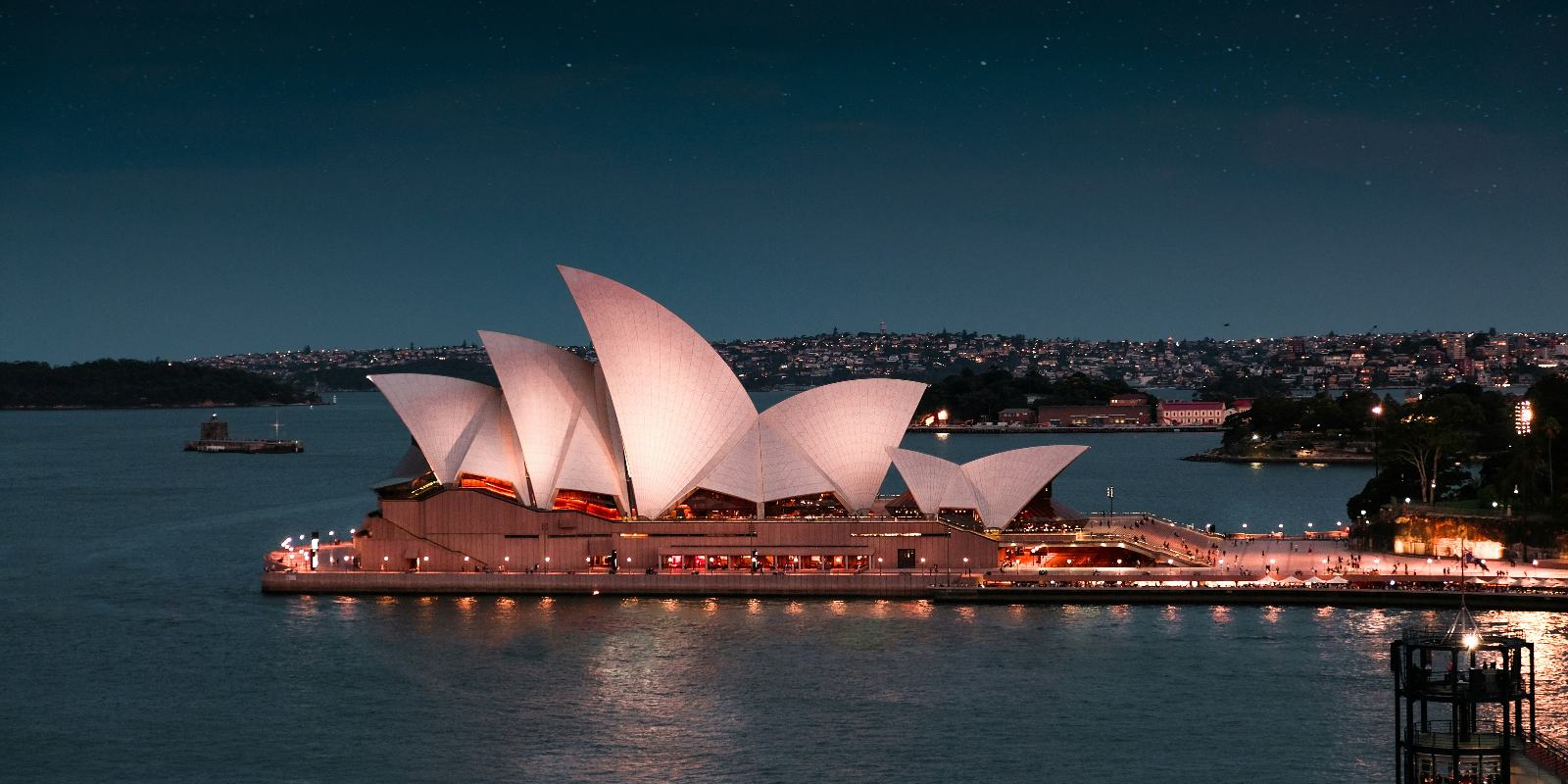
Sarah had always dreamed of seeing the Sydney Opera House lit up at night and snorkeling in the Great Barrier Reef. When she finally booked her trip to Australia from the USA, she thought she had accounted for everything. Flights, hotels, and meals were on her budget spreadsheet. But once she arrived, the extra expenses started adding up: a $250 reef tour, $20 cocktails in Sydney, and even a $70 departure tax she had not factored in.
Many travelers face the same surprise. So, how much does it cost to go to Australia in 2025? This Australia vacation guide breaks down flights, hotels, food, attractions, and the hidden extras that shape your total budget. We will also share how tools like an eSIM Australia tourist plan can keep you connected and save you money.
Get Ready: What a Trip to Australia Really Costs in 2025
A trip to Australia from the USA in 2025 typically costs between USD 2,500 and USD 6,000 per person for one to two weeks. This estimate includes flights, accommodation, meals, transport, and tours. Budget travelers can get by on around USD 100 per day with hostels and self-catering, while mid-range travelers average USD 200–250 per day. Luxury visitors staying in 4–5 star hotels, booking private tours, and dining at top restaurants often spend USD 500 or more per day.
Flights to Australia, Expect USD 1,100 to USD 2,300 Round Trip
Flights are usually the single largest cost for a trip to Australia from the USA. Round-trip economy fares generally range between USD 1,100 and USD 2,300. Departures from the West Coast (Los Angeles, San Francisco) are often cheaper because they require fewer flight hours, while East Coast departures (New York, Boston, Washington) trend higher.
Peak periods such as December and January, Australia’s summer holidays, see the highest fares. Booking three to six months ahead and being flexible with dates typically helps secure lower prices.
Accommodation Costs From USD 30 Hostels to USD 200+ Hotels
Australia has a wide spectrum of lodging options. Budget travelers can find hostel dorm beds starting from USD 30–40 per night in smaller cities or regional towns. In major cities like Sydney or Melbourne, budget stays usually start around USD 50–60 per night.
Mid-range travelers typically spend USD 80–150 per night for 3-star hotels, boutique guesthouses, or well-rated Airbnbs. Luxury hotels near prime locations such as Sydney Harbour, Circular Quay, or Darling Harbour often cost USD 200–400 per night or more, depending on season and demand.
If you are looking for the best places to stay in Sydney, Australia, Circular Quay and The Rocks offer iconic Opera House and Harbour Bridge views, Bondi is popular for beach culture, and Surry Hills appeals for food and nightlife.
Eating in Australia: Why Dining Out Averages USD 20 to 40 Per Meal
The food and culture in Australia reflect its mix of European heritage and strong Asian influences, with plenty of modern fusion dining as well. Eating out is more expensive than in many countries due to higher wages and ingredient costs.
Casual dining: Expect to spend around USD 20 to 40 per person for a sit-down meal at a café or casual restaurant.
Coffee culture: Australia is famous for its coffee. A cappuccino or flat white averages USD 4 to 5.
Fast food and quick bites: Global fast-food chains or food court meals are cheaper at USD 8 to 12.
Fine dining: In cities like Sydney or Melbourne, tasting menus and high-end restaurants can cost USD 80 to 150+ per person, not including wine.
For travelers on a budget, many supermarkets have ready-to-eat options and hot food counters. Food courts in malls or Chinatown districts are also good for affordable meals under USD 15.
Nightlife & Drinks: Budget USD 50 or More for a Big Night Out
Australia has a vibrant nightlife, with Sydney and Melbourne leading the way for bars, rooftop lounges, and clubs. Costs add up quickly once you factor in drinks, transport, and entry fees.
Drinks at a pub: A pint of beer or a glass of wine usually costs USD 7 to 10.
Cocktails: Trendier bars and clubs charge USD 15 to 20 per cocktail.
Cover charges: Popular nightclubs often add USD 20 to 30 for entry, especially on weekends.
Transport: Rideshare fares late at night can add another USD 15 to 30, depending on distance.
A typical night out with a few drinks, entry fees, and transport can easily total USD 50 to 100 per person. Travelers looking to save can visit happy hour specials or enjoy local pubs outside city centers, which often have cheaper drinks.
Getting Around Australia: USD 5 Metro Rides to USD 100+ Domestic Flights
Australia is a vast country, so transportation costs vary widely depending on whether you are traveling within a city or between states.
City transport: Metro, tram, and bus rides in major cities like Sydney, Melbourne, and Brisbane cost around USD 4 to 6 per trip using contactless payment cards or transport passes (Opal in Sydney, Myki in Melbourne, and Go Card in Brisbane).
Rideshare and taxis: Services such as Uber, DiDi, and Ola are widely available in urban areas. A short trip may cost USD 10 to 15, while late-night rides or trips from airports often exceed USD 30.
Domestic flights: Because of the distances between cities, domestic flights are common. Expect USD 100 to 250 one way for routes like Sydney–Melbourne or Brisbane–Cairns, though prices rise sharply during peak travel periods.
Other options: Long-distance trains and buses are available, but often slower and not always cheaper than flights.
To navigate affordably and stay connected while using maps or ride-share apps, installing an eSIM Australia plan before you land is recommended. Jetpac offers the best eSIM for Australia, allowing instant activation, local rates, and no roaming fees.
Attractions & Tours: Free Beaches vs USD 250 Great Barrier Reef Trips
Australia balances free natural beauty with unforgettable but costly bucket-list tours.
Free attractions: Beaches such as Bondi, Coogee, Whitehaven, and Noosa are free to access. Coastal walks around Sydney Harbour and Melbourne’s laneway art tours also cost nothing.
National parks: Entry fees are modest, usually USD 10 to 20 per car, with popular spots including Blue Mountains, Kakadu, and Daintree.
Tours and activities: The higher-end experiences include scuba diving or snorkeling the Great Barrier Reef, guided tours of Uluru and Kata Tjuta, or wine tours in the Barossa Valley. These typically cost USD 150 to 250 per person.
Special events: Tickets for sporting events, concerts, or theatre performances vary widely but often run USD 50 to 200 depending on the event.
When planning your Australia vacation guide, mix in free things to do in Australia with a few splurge activities for a balanced budget and experience.
Can You Travel Australia on USD 100 a Day? (Budget vs Mid Range vs Luxury)
Australia is often seen as an expensive destination, but your daily budget depends on your travel style. Here’s what to expect:
Travel Style |
Daily Budget |
What You Get |
|
Budget |
USD 80 to 120 |
Hostel dorms, public transport passes, supermarket meals or cheap eats, and mostly free attractions like beaches and city walks |
|
Mid Range |
USD 180 to 250 |
3-star hotels or private Airbnb rooms, restaurant meals, a mix of free and paid tours, domestic public transport or occasional rideshare |
|
Luxury |
USD 400 to 600 |
4–5 star hotels, fine dining, private guided tours, domestic flights, and premium experiences like winery tastings or reef excursions |
Yes, it is possible to keep a trip to Australia from the USA around USD 100 per day if you stick to hostels, self-catered meals, and free activities. However, most travelers find that a mid-range budget of USD 200 to 250 per day allows more comfort and flexibility without going overboard.
Extra Costs Travelers Forget: Visa, Insurance, and the Departure Tax
When calculating how much a trip to Australia costs, remember that some expenses do not fall neatly into flights and hotels:
Visa: Most visitors from the USA, UK, EU, and Asia need either an Electronic Travel Authority (ETA) or an eVisitor visa. These cost around AUD 20 (about USD 15) and are processed online.
Insurance: Travel insurance is strongly recommended in Australia due to the high cost of healthcare for non-residents. Expect to pay USD 50 to 100 for a two-week trip, depending on coverage.
Passenger Movement Charge (Departure Tax): Australia includes a government departure tax of AUD 70 (about USD 45) in all international tickets. You will not see it as a separate fee, but it is included in your airfare.
These smaller but essential expenses often surprise first-time travelers. Including them in your budget ensures you get a more realistic answer to how much it costs to go to Australia.
Smart Money Saving Hacks That Cut Your Trip Costs in Half
Australia is not a cheap destination, but there are proven ways to stretch your budget:
Book off-season: Traveling in shoulder months like May, June, or September can save hundreds on flights and accommodation compared to peak summer and holiday periods.
Mix free with paid: Balance your trip with free attractions like beaches, coastal walks, and national parks, and then splurge selectively on major tours such as the Great Barrier Reef or Uluru.
Self-cater meals: Eating out every night adds up quickly. Supermarkets, food courts, and hostel kitchens let you prepare meals for a fraction of restaurant prices.
Stay connected without roaming: One hidden cost travelers forget is data. International roaming charges from US carriers can easily add $10–15 per day, adding hundreds to a two-week trip. The smarter option is to use an eSIM for international travel.
This is where Jetpac stands out. With Jetpac eSIM for Australia tourist plans, you get:
One eSIM for 200+ destinations – no swapping SIMs when you cross borders.
Up to 70% cheaper than roaming – clear, upfront pricing with no bill shock.
Multi-network access in Australia – your phone automatically connects to the strongest available signal.
Hotspot sharing included – connect your laptop or share data with travel companions.
Free essentials even when data runs out – WhatsApp, Google Maps, and Uber remain accessible.
24/7 premium support – real help, no matter what time zone you are in.
By installing Jetpac’s best eSIM for Australia before you fly, you cut roaming costs entirely and stay connected for navigation, bookings, and messaging at local rates.
Disclaimer
All cost estimates provided in this blog are general averages based on publicly available pricing from airlines, hotels, restaurants, and travel services in Australia as of early 2025. Actual expenses will vary depending on season, exchange rates, booking time, personal travel style, and city or region visited. Visa fees, taxes, and other charges are subject to change by government authorities. Travelers should confirm current prices and requirements with official sources and booking platforms before finalizing their trip.
FAQs
How much does it cost to go to Australia in 2025?
A one to two week trip typically costs USD 2,500 to 6,000 per person, including flights, hotels, meals, tours, and local transport.
How much does a trip to Australia cost per day?
Budget travelers spend about USD 100 per day, mid-range travelers average USD 200 to 250, and luxury travelers can spend USD 400 to 600 daily.
What is the cheapest trip to Australia from the USA?
The lowest fares usually come from West Coast departures such as Los Angeles or San Francisco. Economy flights average USD 1,100 to 1,400 if booked several months in advance.
What are the best things to do in Australia for free?
Popular free attractions include Bondi Beach, Sydney Harbour walks, and national parks, many of which have very low entry fees.
Where are the best places to stay in Sydney, Australia?
Circular Quay and Darling Harbour offer iconic harbour views, Bondi is ideal for a beach atmosphere, and Surry Hills is known for dining and nightlife.
What should I know about food and culture in Australia?
Expect a multicultural food scene, world-class coffee culture, and casual pub dining. Average restaurant meals cost USD 20 to 40.
What is the cheapest way to stay connected in Australia?
The most affordable option is to install an eSIM for international travel before your trip. Jetpac offers flexible eSIM plans in Australia, with upfront pricing, no roaming charges, and automatic access to the strongest local networks.