
Japan Travel Tips: What You Must Know Before You Fly
Planning a trip to Japan can feel overwhelming. These Japan travel tips help you navigate, manage costs, and stay connected with an eSIM.
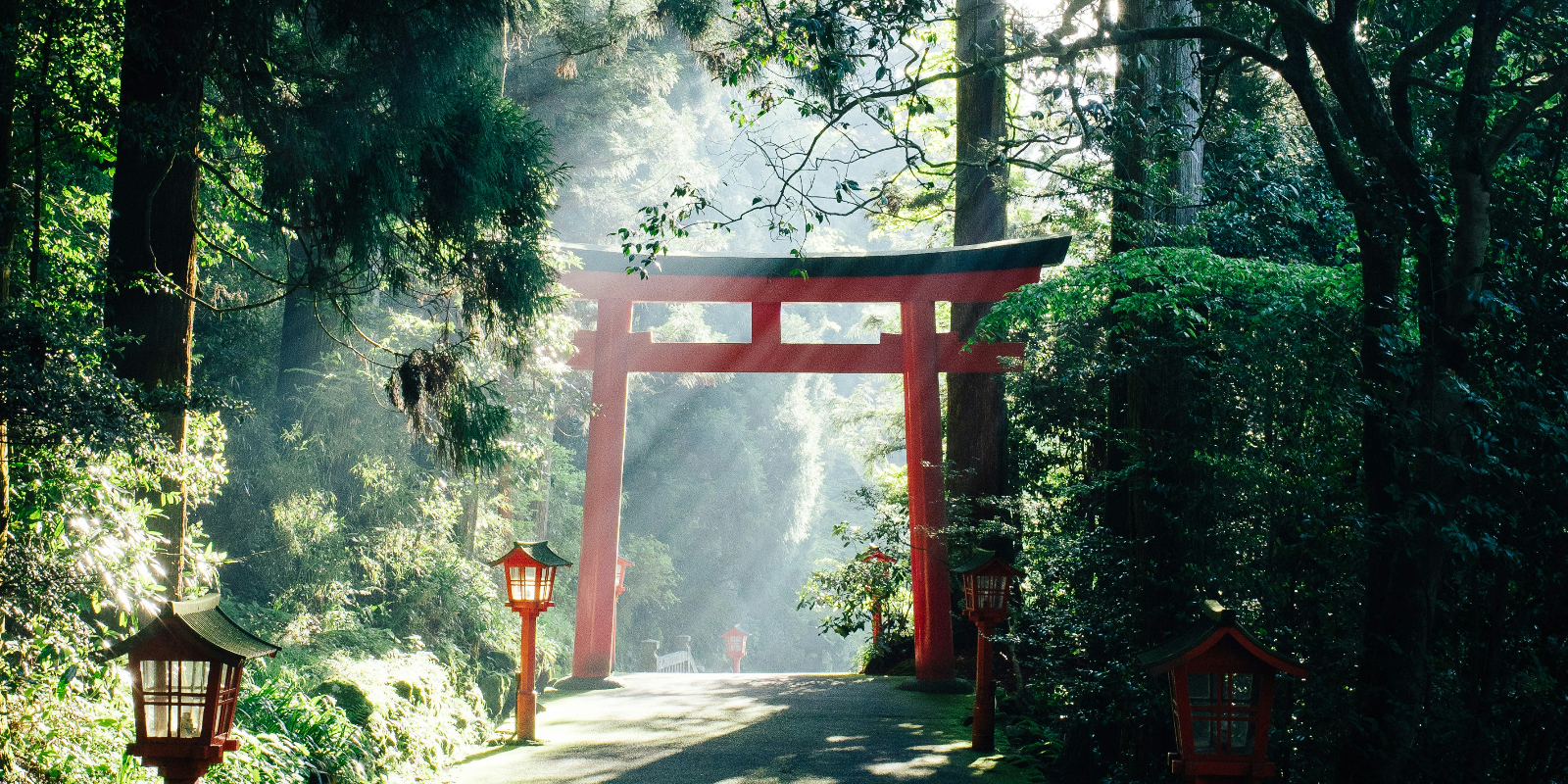
Japan works differently from many destinations, from transport systems to dining etiquette and everyday payments. These Japan travel tips explain what to expect on the ground, so planning feels calmer and more predictable. Preparing in advance makes it easier to navigate stations, adjust plans, and move between cities. While traveling, having a reliable mobile data connection from a Jetpac eSIM helps travelers use maps, translations, and bookings without depending on public WiFi.
Traveling to Japan for the first time brings a mix of excitement and curiosity because everyday life there works differently from what many visitors expect. These Japan travel tips will help you understand how the country moves, how locals navigate daily routines, and what you should be prepared for before your plane lands. Japan blends efficiency, culture, and order, so planning improves your experience. Many travelers also set up their mobile data before takeoff, and using an eSIM for Japan from Jetpac helps you arrive fully connected and ready to explore from the first moment.
Before You Go: How to Prepare Smoothly for Your Japan Trip
Japan feels distinct because small details matter. Stations follow structured flow, restaurants have their own systems, and etiquette shapes how people interact in public spaces. Anyone wondering how to travel to Japan for the first time usually worries about language, navigation, costs, and cultural expectations. Preparing early with practical Japan tourist tips helps you travel confidently and reduces the learning curve during your first few days.
Understanding Japan’s Entry, Travel Seasons, and What Documents You Need
Entry Requirements and Documents
Japan requires a valid passport and an immigration form, which many travelers now complete digitally. Keep your accommodation, flight details, and QR codes handy so you can move through the airport smoothly. Keeping digital and printed copies of confirmations is a small step that helps when you are traveling to Japan for the first time.
Best Seasons to Visit (Based on Weather, Crowds, and Prices)
Cherry blossom season is beautiful but crowded, and prices rise sharply. Autumn offers colorful landscapes and comfortable weather. Winter is calmer and cheaper, especially if you enjoy seasonal festivals or snow activities. Summer is energetic but humid. Knowing these variations helps you choose the right time for your Japan vacation.
How Far in Advance You Should Book Flights and Hotels
Japan experiences strong domestic travel periods, so hotels and trains fill quickly. Booking early, especially for spring and autumn, ensures better availability and pricing. This is one of Japan's travel tips that saves first-timers from last-minute stress.
Money, Payments, and Daily Costs: What Travelers Don’t Realize
Cash Culture and Where ATMs Actually Work
Japan is modern, yet cash still dominates in many smaller shops and restaurants. Convenience store ATMs are the most trustworthy source to exchange money with foreign cards. Always carry some yen to avoid awkward situations.
IC Cards (Suica and Pasmo) and Why You Need One
Suica and Pasmo cards simplify almost everything. They work on trains, buses, vending machines, convenience stores, and sometimes cafés. They remove the friction of buying single tickets and are recommended in every practical Japan travel guide.
What Things Really Cost in Japan
Convenience store meals can be affordable, while restaurants vary widely in price. Long-distance train rides add up, and attractions sometimes require entry fees. Understanding these basics helps you estimate a realistic daily budget when you travel to Japan.
Staying Connected in Japan: Your Internet and Mobile Options
Pocket Wi-Fi vs Local SIM vs eSIM
Pocket Wi-Fi is useful for groups but requires constant charging. Local SIM cards work well but often involve airport queues and paperwork. An eSIM for Japan option activates instantly, avoids store visits, and is often the smoothest choice for people traveling to Japan for the first time. Many travelers prefer the simplicity of a digital setup when moving between cities.
How Japan’s Coverage Works (Cities vs Rural Regions)
Coverage is strong in major cities, but mountainous and remote areas may have slower speeds or occasional dead zones. Downloading offline maps and translation tools ensures you stay prepared even outside urban regions.
Getting Around: How to Use Japan’s Trains, Subways, and Buses Confidently
Understanding Train Types (Local, Rapid, Express, Shinkansen)
Japan’s trains differ in speed and number of stops. Local trains stop everywhere, rapid trains skip smaller stations, and the Shinkansen is best for long distances. Knowing these differences helps you avoid common mistakes when figuring out how to travel to Japan across regions.
Do You Actually Need a JR Pass?
The JR Pass is helpful for travelers making several long-distance journeys, but it is not necessary for shorter routes. Compare planned trips with the cost of individual tickets to avoid overspending.
How to Navigate Stations Without Stress
Large stations feel busy but are well organized with clear English signs. Arriving early, checking route apps, and following color-coded platforms help you move confidently.
Why Inter City Travel Takes Planning
Seat reservations, luggage space limitations, and timed transfers require thoughtful planning. These tips for visiting Japan help you avoid delays and smooth your journey.
Essential Etiquette That First-Time Travelers Must Know
Restaurant Etiquette (Ordering, Paying, Tipping)
Many restaurants use order machines, and tipping is not done in Japan. Paying at the register is common. Understanding these cultural habits prevents confusion during meals.
Train Etiquette (Quiet, Lining Up, Phone Use)
Silence is expected on trains. Visitors should line up neatly, avoid loud conversations, and respect personal space. This improves the experience for everyone.
Shrine and Temple Manners
Purifying your hands, respecting quiet areas, and following posted rules show cultural awareness. These small steps enhance your visit.
Onsen Rules
Onsens require showering before entering shared baths. Swimwear is not allowed, and tattoos sometimes require private options. These details help travelers avoid uncomfortable mistakes.
What to Pack for Japan Based on Season and Travel Style
Clothing Essentials for Each Season
Spring and autumn require layers, winter needs warm jackets, and summer calls for breathable fabrics. Packing for Japan’s microclimates is one of the most useful Japan vacation tips.
Items Japan Surprisingly Does Not Provide Often
Some guesthouses do not provide towels unless rented. Bring a compact towel, a universal adapter, and comfortable walking shoes.
Digital Tools to Download Before You Fly
Translation apps, maps, and train navigation tools help you move with confidence. Preparing these is one of the essential things to do before going to Japan.
Food and Dining Tips for Every Type of Traveler
Navigating Japanese Menus Without Speaking Japanese
Picture menus and translation apps make ordering easier. Pointing politely is acceptable and widely understood.
What to Expect at Convenience Stores
Convenience stores offer quick meals, snacks, and essentials that are surprisingly high quality. They are a practical resource for anyone traveling to Japan for the first time.
Tips for Vegetarians and Vegans
Hidden fish products in regular food can be challenging for visitors looking for vegetarian or vegan options, so research specialty spots or carry helpful phrases. These Japanese tourist tips make dining simpler.
Staying Safe, Aware, and Comfortable Throughout Your Trip
Japan’s Safety Norms (Urban and Rural)
Japan is consistently safe for travelers. Public spaces are well monitored, and lost items often make their way back to their owners.
Natural Disaster Awareness
Japan has clear alert systems for typhoons and earthquakes. Staying informed through weather apps adds peace of mind.
Health Tips for Travelers
Pharmacies offer reliable products, but carrying your own essentials saves time. Travel insurance is recommended due to higher medical costs.
Read More:
If your trip includes a winter destination, exploring the best ski resorts in Japan helps you plan seasonal routes.
Read our blog 👉 Skiing in Japan: Discover the Best Ski Resorts in Japan You Can’t Miss
Jetpac: Reliable Connectivity for a Smooth Trip Across Japan
Staying connected supports everything from translations to schedule updates. Jetpac offers a simple setup that activates instantly, helping you travel across cities, the countryside, and scenic viewpoints without relying on airport SIM counters. It works smoothly across Japan’s networks and keeps essential apps available throughout your trip.
Jetpac provides:
• One eSIM keeps you connected in 200+ destinations.
• Multiple networks for better signal coverage.
• Upfront pricing with no hidden charges and up to 70% cheaper than traditional roaming.
• Hotspot sharing allowed without any data restrictions.
• Continued access to WhatsApp, Google Maps, and Uber, even after data runs out.
• A dedicated customer support is available 24X7 so that you are never stuck with your data or voice connection.
• Outgoing voice calls and 5G access starting at 1.99 dollars for five minutes.
For anyone wanting the best eSIM for Japan, Jetpac makes mobile connectivity simple, predictable, and travel-friendly.
FAQs
How early should I arrive at Japanese airports?
Plan two hours before domestic flights and three hours before international flights.
Can I drink tap water everywhere in Japan?
Yes. Tap water is safe throughout the country.
Do I need travel insurance for Japan?
Insurance is recommended because medical costs can be high.
Do I need to know Japanese to travel safely?
No. Basic phrases plus translation apps are enough for most visitors.
Is it easy to charge devices on trains or in cafés?
Many places offer outlets, but carrying a power bank is useful.
Can I rely on an eSIM alone, or should I buy a local SIM in Japan?
Many travelers rely fully on an eSIM for Japan option because it avoids queues and works instantly.
Are credit cards widely accepted outside Tokyo?
Cards work in larger towns, but cash is still needed in many rural areas.
Do trains and subways run late at night?
Most stop before midnight, so plan your return routes accordingly.
Disclaimer:
Travel requirements, weather patterns, and pricing can change. Always verify details with official sources and updated guidance before finalizing travel plans.