New Zealand Travel Guide: Top Spots, Best Timings Travel Tips
Find the best time to visit New Zealand for great weather, scenic drives, and keep your trip running smoothly with Jetpac, helping you stay connected on the go.
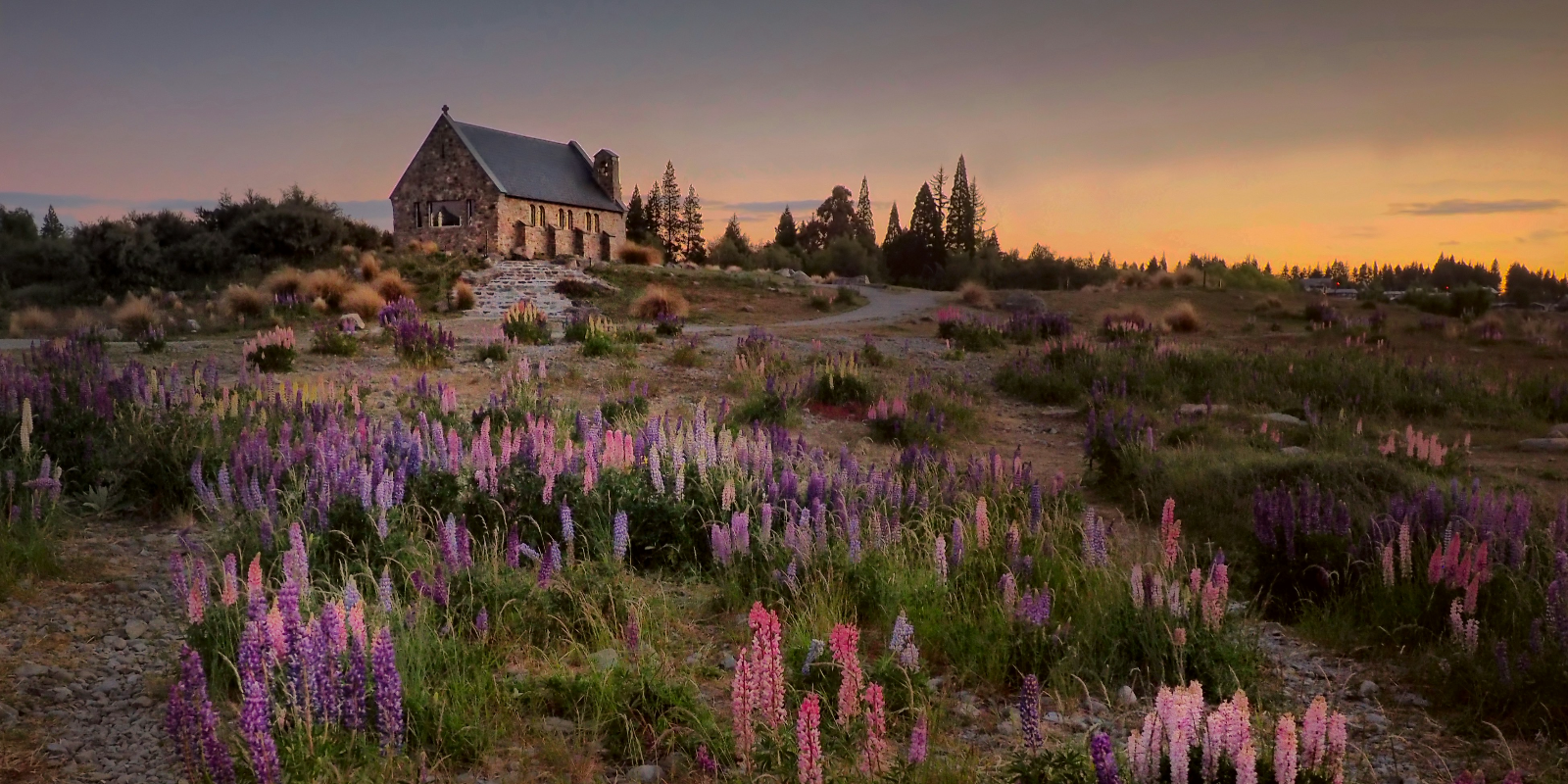
Choosing the best time to visit New Zealand depends on what vibe, what mood you want from the place. Each season reveals a new side of the islands, helping travellers match their plans to the weather and atmosphere they enjoy most. And as you move through long road trips and remote regions, Jetpac is the go-to eSIM for staying connected, making it easier to explore with confidence while keeping essential travel details at your fingertips.
New Zealand is the kind of place that stays with you long after you leave. Mountains drop straight into lakes, coastal towns feel warm and welcoming, and every road seems to lead to something beautiful. Whether it’s the volcanic landscapes of the North Island or the dramatic fjords in the South, the country moves at a pace that lets you enjoy every detail. Timing also shapes how your journey feels. Some months bring long hiking days, while others offer calmer city walks or perfect glacier views. Planning around the best time to visit New Zealand helps you enjoy every part of your trip with fewer crowds and more comfort. And because most travelers cover long distances while road-tripping, many prefer using simple solutions like a Jetpac eSIM to stay connected across cities, ferries, and scenic drives.
Best Time to Visit New Zealand
New Zealand sits in the Southern Hemisphere, which means the seasons are opposite to those in the United States or Europe. The best time to visit New Zealand depends on the kind of days you want: sunny beaches, fresh mountain trails, snow-covered peaks, or peaceful road trips. While the country is beautiful year-round, the weather, crowds, and prices vary enough to make seasonal planning worthwhile.
Below is a breakdown of how New Zealand looks in different seasons and months to help you choose the best time of year based on your travel style, interests, and the list of things to do in New Zealand that matter most to you.
Summer (December-February)
Summer is the busiest but also the brightest season. Days are long, temperatures are warm, and festivals fill the cities. Beaches along the Coromandel or Nelson glow under clear skies, and hiking routes like the Tongariro Alpine Crossing are fully open. This is a great season for anyone searching for where to go in New Zealand for a mix of outdoor adventure and jet boat rides. However, accommodation rates are higher, and popular spots fill quickly, so book early.
Autumn (March-May)
Autumn is often considered one of the best times to visit New Zealand due to its mild temperatures and colorful landscapes. Trees in Arrowtown and Wanaka turn gold, and vineyard regions host harvest season events. Crowds thin out compared to summer, yet the weather stays pleasant enough for road trips, coastal walks, and national park exploration. It is ideal for travelers who want comfortable weather without the peak-season rush.
Winter (June-August)
Winter brings crisp mornings, snowy mountains, and quieter cities. It is a great time for skiing in Queenstown, relaxing in alpine hot pools, or exploring museums in Wellington and Christchurch. While some high-altitude tracks close due to snow, the country’s scenery feels calm and dramatic. Winter also works well for budget travelers, who want to keep a check on how much it costs to travel to New Zealand, as flight and hotel prices drop during this period.
Spring (September-November)
Spring is lively and refreshing. Lambs fill the fields, flowers bloom in parks, and waterfalls become stronger after winter rains. Many travelers find this the best time to travel to New Zealand if they want a balance of affordability, pleasant temperatures, and blooming landscapes. It’s also ideal for first-timers wondering where to go in New Zealand for the first time, since most regions are easily accessible and not crowded.
Top Places to Visit in New Zealand
New Zealand’s landscapes shift dramatically from north to south, making every region feel like its own world. Whether you’re drawn to adventure towns, glacier hikes, or coastal beauty, there are countless places to travel in New Zealand that deserve a spot on your itinerary. The list below highlights the must-see destinations and what makes each one unforgettable.
Queenstown
Queenstown is often the first answer when someone asks where to visit in New Zealand for scenery and adventure. Known as the adventure capital, it offers jet boating, bungee jumping, lake cruises, and ski slopes in winter. Even if adrenaline isn’t your goal, Queenstown’s calm mornings by Lake Wakatipu and its alpine views make it a favorite among all travelers.
Aoraki / Mount Cook National Park
This region delivers some of the country’s most dramatic backdrops. The Hooker Valley Track is one of the most loved things to do in New Zealand, offering glacier lakes and suspended bridges with views of Aoraki, the country’s highest peak. On clear nights, the area becomes one of the best stargazing spots in the southern hemisphere.
Milford Sound
Known for its cliffs and cascading waterfalls, Milford Sound feels untouched and ancient. Many travelers describe it as the highlight of their New Zealand travel guide checklist. Boat cruises offer incredible views, but flying into the fjord by small aircraft is one of the most breathtaking experiences in the country.
Bay of Islands
Warm waters, secluded coves, and dolphin encounters make the Bay of Islands a top choice when deciding where to visit in New Zealand for a relaxing coastal escape. It’s also rich in culture and history, offering insights into early Māori and European settlement.
Auckland
Auckland blends nature and urban life, with volcanic cones, beaches, night markets, and ferry routes to islands like Waiheke. For travelers visiting for the first time, Auckland provides a gentle introduction before heading into the country’s wilder landscapes.
Franz Josef & Fox Glaciers
The West Coast is where rainforest meets ice. Visitors can hike near glacier faces or join helicopter tours for glacier landings. These glaciers change constantly, making them a compelling part of any New Zealand travel guide.
Hidden Gems Worth Exploring
New Zealand hides some stunning, lesser-known landscapes that feel just as rewarding as iconic destinations. These hidden gems are perfect for travelers who want more unique places to travel in New Zealand beyond the top attractions.
Abel Tasman National Park
Golden beaches, turquoise water, and forested trails make it ideal for kayaking and coastal hiking.
Tongariro National Park
Volcanoes, alpine lakes, and lunar landscapes create one of the most dramatic settings in the country.
Nelson Lakes National Park
Clear lakes framed by mountains offer peaceful walks, photography spots, and quiet retreats.
Banks Peninsula
A short drive from Christchurch, this coastal region has charming towns, wildlife cruises, and the French-inspired Akaroa village.
The Catlins
Remote, rugged, and full of wildlife. Waterfalls, sea caves, and lighthouses make it one of the most underrated regions to explore.
Bucket-List Experiences in New Zealand
Some experiences feel uniquely Kiwi and often become a traveler’s favorite memories. The list below features unforgettable things to do in New Zealand that capture the country’s spirit.
Heli-Hiking a Glacier
Experience ice caves and glacier formations with expert guides.
Fiordland Cruises
Sail between towering cliffs while spotting seals, dolphins, and waterfalls.
Maori Cultural Experiences
Traditional performances, hangi feasts, and cultural storytelling.
Glowworm Caves in Waitomo
A star-like cave ceiling created by bioluminescent glowworms.
Great Walks
Famous multi-day hikes offer the country’s best scenery.
Wine Regions
Taste wine in Marlborough or Central Otago, both known worldwide.
Hobbiton Movie Set
A magical visit for both movie lovers and casual travelers.
Travel Tips Every Visitor Should Know
Traveling through New Zealand feels simple, but little things can make your days smoother. The weather changes quickly, roads can be narrow, and long scenic drives often take more time than expected because you’ll keep stopping to admire the view. These New Zealand travel tips help you travel confidently, especially if it’s your first visit or if you plan to explore both islands in one trip.
Driving is a big part of the experience. Roads are well-marked, but many rural routes have single-lane bridges and sharp corners. Take your time and avoid driving at night, especially in remote regions. Sandflies around the West Coast and Fiordland can be persistent, so keep insect repellent handy. Most attractions need booking during peak seasons, from glowworm caves to glacier flights. And if you’re heading into nature, always pack layers; the weather can switch from warm sunshine to cold wind in minutes.
Eating out in New Zealand is pricey, so mixing restaurants with supermarket meals helps balance. You may ask, How much does it cost to travel to New Zealand overall? Local grocery stores like Countdown and New World offer great ready-to-eat options. For cultural etiquette, a smile and a simple “cheers” go a long way. Kiwis are warm, open, and appreciate kindness outdoors, especially on shared hiking tracks.
Getting Around New Zealand
New Zealand rewards travelers who explore with flexibility. Whether you’re visiting for the first time or planning a slow-paced adventure, choosing the right transport helps you cover more of the places to travel in New Zealand without stress.
Renting a Car or Campervan
Road-tripping is the most popular way to explore the country. Campervans are ideal for travelers who want freedom, especially across the South Island. They remove the pressure of hotel check-ins and let you stop by lakes, viewpoints, and small towns on your own schedule. Car rentals range from $35 to $70 per day, depending on season, and campervans range from $60 to $140 per day. Always check insurance coverage, fuel costs, and long-distance drop-off fees.
Domestic Flights
If your itinerary includes both islands or long distances, domestic flights save time. Popular routes include Auckland to Queenstown, Wellington to Christchurch, and Nelson to Auckland. Flights range from $60 to $180 depending on the season. They’re especially helpful for travelers figuring out where to go in New Zealand for the first time, when trying to fit both the North and South into a single trip.
Buses & Intercity Coaches
For budget travelers, InterCity buses are reliable and comfortable. They reach most tourist towns and cost between $10 and $40 per route. It’s slower than driving, but perfect for those who want to stretch their budget and still see iconic destinations.
Scenic Rail Journeys
Some of New Zealand’s most breathtaking views can be seen from a train window. The TranzAlpine, which runs between Christchurch and Greymouth, is often listed among the world’s most scenic rail journeys. It crosses mountains, valleys, and braided rivers, making it a memorable choice in any New Zealand travel guide.
Average Travel Costs in New Zealand
New Zealand offers unforgettable scenery and experiences, but it can be pricier than many travelers expect. Having a clear sense of daily expenses helps you plan realistically without cutting back on the moments that matter. The table below breaks down common costs so you can map out your budget with ease, especially if you're exploring multiple regions or planning a mix of road trips, hikes, and city stays.
The table below gives you a complete breakdown of how much it will cost to visit New Zealand based on various factors
Category |
Cost Range (USD) |
What to Expect |
|
Backpacker Hostels |
$20 to $35 per night |
Shared dorms, basic facilities, great for budget travelers. |
|
Mid-Range Hotels |
$80 to $150 per night |
Comfortable rooms, central locations, suitable for most travelers. |
|
Boutique Stays |
$150 to $250 per night |
Stylish stays with a unique charm, ideal for couples. |
|
Restaurant Meals |
$18 to $25 per meal |
Standard dining at casual restaurants, excluding drinks. |
|
Café Items |
$8 to $12 |
Coffee, pastries, or light snacks, common for breakfast. |
|
Fuel Costs |
Around $2.10 per liter |
Prices vary by region; fuel is a major cost for road trips. |
|
Rental Cars |
$35 to $70 per day |
Depends on season, car size, and insurance choices. |
|
Campervans |
$60 to $140 per day |
Popular for flexibility and scenic overnight stays. |
|
Glacier Heli-Hike |
$350 to $450 |
Guided adventure including helicopter access to glacier terrain. |
|
Milford Sound Cruise |
$50 to $110 |
Scenic boat journeys through waterfalls, cliffs, and wildlife areas. |
|
Museum Entries |
Often free or $10 to $20 |
Many museums offer free general admission with paid special exhibits. |
|
Great Walk Huts |
$35 to $60 per night |
The Department of Conservation hut stays open on multiple days. |
Money-Saving Tips for New Zealand
New Zealand’s beauty doesn’t have to break your budget. Travelers often discover that the country’s best experiences, beaches, lakes, and mountain views, are completely free. These tips help you stretch your money further without sacrificing comfort.
Travel during shoulder months like March, April, October, and November. These offer some of the best times to visit New Zealand perks such as stable weather and lower accommodation rates. Use fuel apps to compare gas prices and plan stops before long drives. Consider Great Walk alternatives like the Lake Daniell Track or Mount Robert Circuit for beautiful views without hut fees. And book major attractions in advance for lower prices.
Staying Connected in New Zealand
Mobile coverage in New Zealand is strong in cities but can drop in rural areas and national parks. Public WiFi is available in cafés, but is not widespread. That’s why many travelers rely on digital solutions, local SIM cards, or eSIMs when planning things to do in New Zealand that involve long drives or remote hikes.
If you plan to explore both islands or rely heavily on maps, an eSIM like Jetpac can help to keep a simple, reliable way to stay online even when data ends, as it lets you access essential apps like Google Maps, Uber, WhatsApp, especially when weather changes or route closures occur.
Read More:
For a deeper list of activity ideas, check out our guide covering iconic experiences across both islands.
👉 Read our blog: 26 Things to Do in New Zealand: Bucket-List Experiences to Try
Jetpac: Your Smart Travel Partner
Staying connected in New Zealand is easier when everything works from your phone. Jetpac gives travelers a simple way to keep maps, bookings, and messages running without dealing with physical SIM cards or inconsistent WiFi.
Why travelers choose Jetpac:
Reliable Coverage
Connects to multiple networks so you stay online across towns, highways, and remote regions.
Fully Prepaid Plans
Clear pricing with no hidden fees helps you manage your budget.
Shareable Data
Use hotspot sharing for laptops and tablets without limits.
Helpful Support
Jetpac’s team assists travelers anytime through WhatsApp and email.
International Calling
Make voice calls affordably in over 50 countries.
Multi-Country Convenience
One eSIM works in 200+ destinations, so it’s ideal if New Zealand is part of a longer trip.
It’s the kind of tool that keeps your trip smooth, whether you’re navigating city streets or driving through mountain passes.
FAQs
How many days do you need to explore New Zealand comfortably?
Most travelers give themselves 10–14 days to explore one island at a relaxed pace, especially if they enjoy road trips and scenic stops. If you want to experience both the North and South Islands without rushing, 18–21 days feels ideal. This allows time for major cities, national parks, and a few spontaneous detours, which New Zealand is famous for.
Which island should I visit first, North or South?
If culture, geothermal wonders, glowworm caves, and Māori heritage are high on your list, the North Island is the perfect place to begin. If you want dramatic landscapes, fiords, glaciers, and adventure towns, start with the South Island instead. First-time visitors often choose based on season, with South Island scenery shining brightest in summer and autumn.
Is New Zealand safe for solo travelers?
Yes, New Zealand is consistently ranked as one of the safest countries in the world, with low crime rates and locals who are warm and helpful. Hiking trails, scenic towns, and public spaces are well-maintained and visitor-friendly. Solo travelers especially appreciate how easy it is to get around and how approachable people are if you need help or directions.
How early should I book ferries or scenic flights?
During peak travel periods like December to February, ferries between islands and scenic flights over places like Aoraki or Milford Sound often sell out fast. Booking 2–4 weeks in advance is ideal to secure your preferred time. Outside peak season, you’ll still want to reserve about a week ahead, especially for sunrise or mid-day slots.
Do I need travel insurance for outdoor activities?
Yes, New Zealand’s landscapes invite adventure, and many popular activities, such as glacier hikes, skiing, bungy jumping, and multi-day trekking, require specific activity coverage. The weather can change quickly, so insurance also helps with unexpected cancellations or gear issues. It’s the best way to protect your trip when your plans include remote hikes or alpine regions.
What mobile apps are useful for driving and hiking?
Navigation apps like Maps.me and Google Maps offline help when coverage drops in rural areas. For road updates, Waka Kotahi NZTA provides live traffic, closures, and weather alerts. Hikers should download DOC Maps and CamperMate for campsite details, trail notes, and safety tips. Travelers who prefer digital convenience also use Jetpac to stay reliably connected as they move between regions.
Disclaimer:
All details shared here reflect the most accurate information we could gather at the time of publishing. Since travel factors can shift over time, readers are encouraged to verify key details before booking. Jetpac cannot be held liable for any changes or discrepancies that arise after this content is released.