New Zealand Travel Tips: Insider Secrets & Local Advice
Drive less each day than you think and leave room for detours. Find more practical New Zealand travel tips, local advice, and quiet places to explore in this blog.
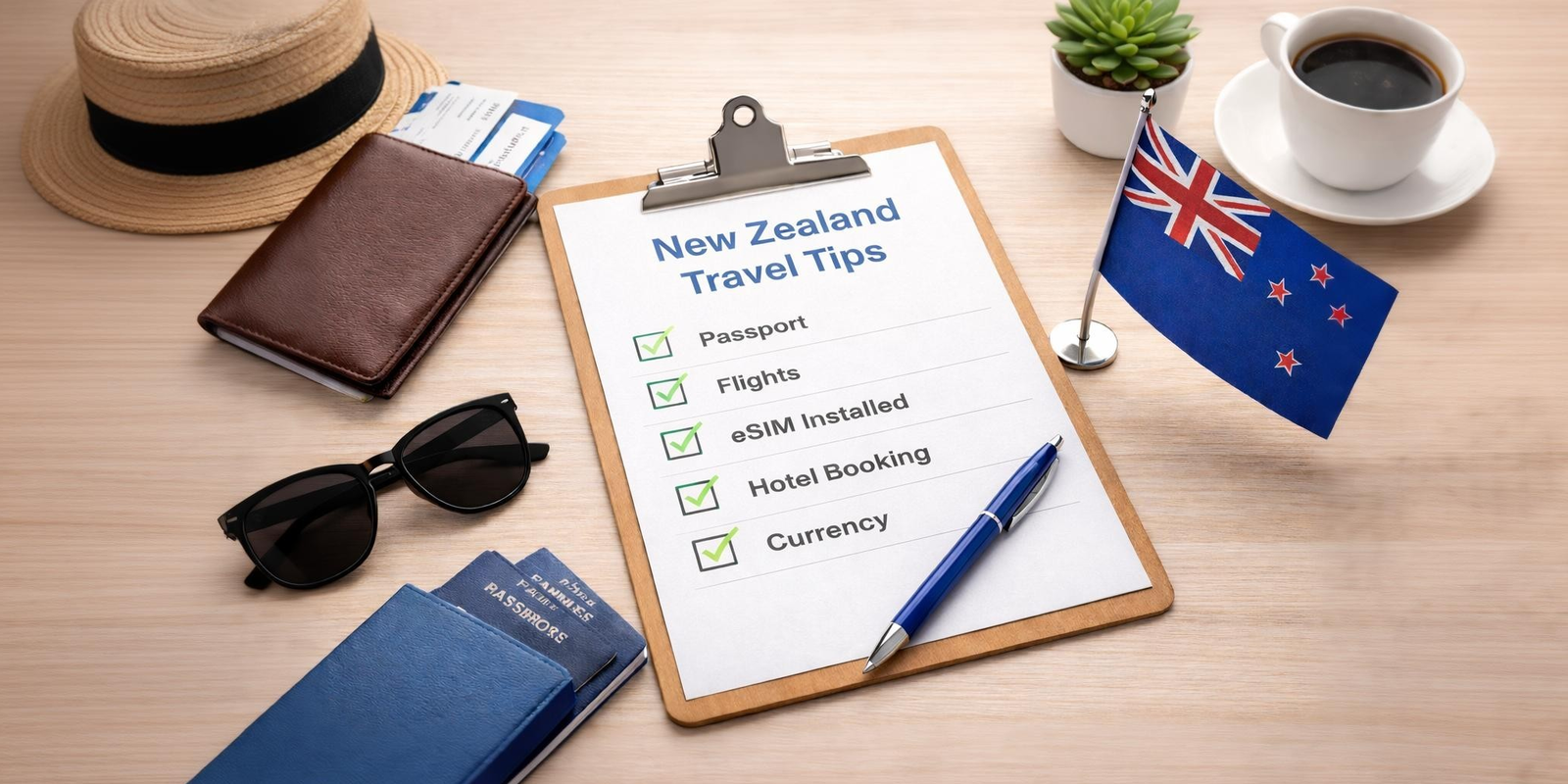
New Zealand rewards slow travel, flexible plans, and curiosity beyond the obvious stops. These New Zealand travel tips focus on local habits, quieter places, and practical advice that helps you travel with ease. From planning routes to staying connected, this guide supports a smoother and more meaningful journey.
New Zealand has a way of feeling bigger than it looks on a map. Long roads curve past empty beaches, mist hangs over mountain passes, and small towns close early once the light fades. Many people arrive expecting an easy loop between highlights and quickly realize that traveling to New Zealand rewards patience more than packed schedules.
This Blog is built around real New Zealand travel tips that help you slow down and enjoy the country as it is. The weather can change fast, distances take longer than expected, and the best moments often happen between stops. Knowing a few local habits makes planning a trip to New Zealand far smoother and more relaxed.
As you move between regions, staying connected helps with weather checks, road updates, and finding food in quieter areas. A Jetpac New Zealand eSIM keeps things running without fuss, especially once you leave the cities.
Things to Know Before Going to New Zealand
A few practical details shape the whole experience, especially for first-time visitors. These are the things to know before going to New Zealand that locals assume everyone understands.
✅ Seasons are reversed. Summer runs from December to February, and winter hits from June to August. Even in summer, the weather can shift quickly. A sunny morning can turn windy or wet by afternoon, so layers matter year-round.
📍 Distances look short on the map, but take time on the road. Two towns that seem close may be linked by narrow, winding highways. Plan fewer stops per day than you think and enjoy the scenery along the way. This mindset makes traveling to New Zealand feel calmer and more natural.
Outside larger towns, shops and fuel stations are spread out. It is normal to drive long stretches without services, especially in the South Island. Fill up early, carry water, and keep snacks handy.
Everyday etiquette is relaxed. Tipping is not expected, queues are orderly, and people value personal space. Respect for land and wildlife is taken seriously, and signage around private property should always be followed.
Keeping plans flexible helps more than rigid schedules. Weather, road conditions, and spontaneous detours often decide the day. These small adjustments are part of the charm and some of the most useful New Zealand travel tips you can carry.
Next, let’s look at the best way to see New Zealand without rushing through it.
The Best Way to See New Zealand
The best way to see New Zealand is to treat it as a journey, not a checklist. The country is made for road trips, where the views between destinations often matter more than the destinations themselves. Lakes appear without warning, roadside lookouts invite stops, and small cafés become highlights you did not plan.
Many travelers ask whether they should focus on one island or try to see both. The answer depends on time. With limited days, staying on one island feels far less rushed. The South Island suits wide landscapes, long drives, and quiet nature. The North Island balances cities, beaches, culture, and geothermal areas. Both offer rewarding experiences if you slow down.
Flying between major hubs can save time, but it skips the texture of the land. Driving lets you explore at your own pace and discover lesser-known places to visit in New Zealand along the way. Campervans appeal to travelers who enjoy flexibility, while rental cars work well if you prefer fixed accommodation.
Whatever route you choose, leave space for rest days. Some of the most memorable moments come from staying an extra night, walking a short trail, or sitting quietly by the water. That approach turns planning a trip to New Zealand into a more grounded and enjoyable experience.
Next, let’s look at how to plan the trip without overplanning every detail.
Planning a Trip to New Zealand Without Overplanning
New Zealand rewards flexibility. Overplanning often leads to rushed days and long drives. These practical pointers help keep the trip balanced and realistic.
✅ Book the essentials early
Flights, campervans, and popular stays fill up fast in peak season. Lock these in first, then leave the rest open. This makes planning a trip to New Zealand smoother without locking you into every detail.
✅ Leave buffer days
Weather changes, road closures, and unexpected stops are common. A free day lets you adjust plans without stress and is one of the most useful New Zealand travel tips.
✅ Limit driving hours
Aim for shorter drives each day. Roads are scenic but often slow. Four hours on the map can easily stretch longer. Fewer miles make traveling to New Zealand feel relaxed, not exhausting.
✅ Plan regions, not every stop
Choose a general route and a few key areas, then decide stops along the way. This approach helps you discover quieter places to visit in New Zealand naturally.
✅ Stay longer in fewer places
Two or three nights in one spot often feels better than changing accommodation daily. It gives time to explore, rest, and enjoy the local rhythm.
✅ Expect plans to change
A closed road, a storm, or a local tip can shift the day. Build your plan to bend easily. That flexibility often leads to the best moments.
Next, here are New Zealand travel tips locals swear by that make day-to-day travel easier.
8 New Zealand Travel Tips Locals Swear By
These are the everyday habits that make a real difference once you’re on the road. They’re simple, but they shape how smoothly the trip unfolds and why many travelers say these New Zealand travel tips matter more than sightseeing lists.
#1. Drive less than you think you can
Roads are narrow and scenic. Stops add up. Shorter days mean less fatigue and more time to enjoy the views.
#2. Stop in small towns
Bakeries, fish and chip shops, and local cafés often sit far from the main routes. These stops add flavor to the journey and reveal quieter places to visit in New Zealand.
#3. Check the weather every morning
Conditions change fast, especially in alpine and coastal areas. Adjusting plans early saves time and stress.
#4. Eat where locals line up
A busy lunch spot usually means good food and fair prices. This is one of the easiest ways to experience local culture while traveling to New Zealand.
#5. Respect road signs and closures
Detours are common and usually for safety. Ignoring them can mean long delays or risky conditions.
#6. Start days early
Mornings are calmer, roads are quieter, and light is softer. You’ll often have popular spots to yourself.
#7. Carry water and snacks
Services can be far apart outside the biggest cities in New Zealand. A simple habit that avoids unnecessary stops.
#8. Slow down in nature
Short walks, lookouts, and lakes often deliver more than long drives. This is part of the best way to see New Zealand.
Next, let’s look at where to visit in New Zealand beyond the obvious, especially if you want quieter stops that feel personal.
Where to Visit in New Zealand Beyond the Obvious
Once you move past the postcard stops, New Zealand opens up in quieter, more personal ways. These are the kinds of places that don’t always show up at the top of itineraries but often leave the strongest impressions.
✅ Small coastal towns
Places with one main road, a calm beach, and a fish and chip shop that closes early. They’re ideal for slow evenings, sunset walks, and feeling the pace drop.
✅ Lakes away from the tour buses
Beyond the famous names, smaller lakes offer clear water, short walking tracks, and space to sit quietly without crowds.
✅ Backcountry regions
Inland valleys and farming areas reveal wide skies, empty roads, and honest rural life. These stops add balance to more dramatic landscapes.
✅ Quiet wine regions
Lesser-known vineyards and cellar doors often feel more relaxed, with time to talk to locals and enjoy tastings without pressure.
✅ Local markets and community hubs
Weekend markets, town halls, and small museums give insight into daily life and regional culture that big attractions miss.
Choosing where to visit in New Zealand is less about ticking off famous names and more about following curiosity. Leaving room for these quieter stops often becomes the highlight of traveling to New Zealand.
Next, let’s narrow in on one city and share secret spots in Wellington, NZ, not well known to tourists.
Secret Spots in Wellington, NZ, Not Well Known to Tourists
Wellington rewards wandering. Step a few blocks away from the waterfront and cable car stops, and the city turns quieter, greener, and more local. These secret spots in Wellington, NZ, not well known to tourists, show how the city really lives.
Polhill Reserve tracks
Bush paths climb gently behind the suburbs, with birdsong, damp earth, and wide views over the harbour. Locals walk dogs here at dusk.
Hataitai lookout paths
Short, steep walks lead to open viewpoints above the airport and sea. Planes skim low, wind moves fast, and the city feels close and small.
Aro Valley backstreets
Colourful houses, corner cafés, and a relaxed student vibe. Coffee smells drift out early, and evenings are slow and friendly.
Island Bay rock pools
Beyond the main promenade, tide pools collect clear water and sea life. Best at low tide with sturdy shoes and a light jacket.
Mount Victoria southern trails
Skip the main lookout and follow side tracks through pine and native bush. The views open suddenly, often with no one else around.
These are the kinds of places that make Wellington feel personal. Adding a few of these secret spots in Wellington, NZ, not well known to tourists, brings balance to the usual city highlights and shows why locals love their capital.
Getting Around and Staying Connected
New Zealand is easy to navigate once you are prepared, but distances are long, and towns can be far apart. Outside the biggest cities in New Zealand, mobile data becomes essential for checking road conditions, weather changes, fuel stops, and food options. Public Wi-Fi is limited once you leave city centers, so staying connected helps the journey feel calm rather than uncertain.
Many travelers choose an eSIM New Zealand instead of a physical SIM. A New Zealand eSIM activates digitally and works as you move between regions, which suits the road-trip style that defines the country.
This is where Jetpac fits naturally into travel around New Zealand.
Why Jetpac works so well for travelers like you?
🗺️ Stay useful even when data ends
Google Maps, WhatsApp messages, Grab, and Uber - work even if your data gets exhausted, without any cost.
📞 Call anyone, anywhere
Make in-app calls to hotels, taxis, local/landline/non-WhatsApp numbers in over 50 countries. No need for WhatsApp on the other end. Calls start at USD 1.99 for 5 minutes.
📶 Share your data freely
Use one plan across your phone, laptop, or tablet. No limits, no hidden rules.
💰 No roaming surprises
Pricing is prepaid and transparent. Many travelers spend far less than traditional roaming.
🌍 One eSIM, many countries
Install once and move across 200+ destinations without swapping SIMs or changing settings.
📡 Better signal on the move
Jetpac switches between networks to find the strongest connection, especially outside major cities.
⚡ Fast data where it matters
Get 4G or 5G when available, with reliable fallback when coverage shifts.
🔁 Refunds without hassle
A simple money-back option adds peace of mind.
💬 24/7 Support anytime
Help is available on WhatsApp and email, day or night, wherever you are.
For those traveling to New Zealand and exploring beyond the main routes, Jetpac offers a practical eSIM for New Zealand that keeps navigation and planning simple throughout the trip.
What to Pack and Prepare For
New Zealand’s weather and terrain change quickly, sometimes within the same day. Packing with flexibility in mind makes traveling to New Zealand far more comfortable, especially when moving between regions.
✅ Layers over heavy clothing
Mornings can be cool, afternoons warm, and evenings windy. Light layers work better than bulky jackets.
✅ A waterproof outer layer
Rain can arrive without warning, particularly in coastal and alpine areas. A simple rain shell is more useful than an umbrella.
✅ Comfortable walking shoes
Even short walks can involve gravel paths, damp ground, or uneven steps. Good shoes matter more than style.
✅ Sun protection
The sun is strong year-round. Sunscreen, sunglasses, and a hat are essentials, even on cloudy days.
✅ Reusable water bottle and snacks
Towns can be spaced far apart. Having water and simple food on hand helps on long drives.
✅ Power adapter and offline backups
Download maps and reservations in advance. While an eSIM for New Zealand helps with navigation, having offline access adds peace of mind.
Packing this way supports the slower, flexible approach that most New Zealand travel tips point toward and helps you enjoy the road without small inconveniences piling up.
Next, we’ll look at traveling to New Zealand responsibly and what that means on the ground.
Traveling to New Zealand Responsibly
New Zealand’s landscapes feel open and untouched, but they are carefully protected. Traveling responsibly is not about strict rules. It is about understanding how locals care for the land and fitting into that rhythm.
👉 Nature is central to daily life. Trails, beaches, lakes, and viewpoints are shared spaces, not theme parks. Staying on marked paths, taking rubbish with you, and respecting closures help preserve places that make traveling to New Zealand special in the first place.
👉 Private land is common, especially outside towns. Gates, signs, and access notes are taken seriously. If an area is marked private or restricted, locals expect visitors to respect it without exception.
👉 Wildlife should be observed quietly and from a distance. Feeding animals or approaching seals and birds disrupts natural behavior. This applies across the country, not just in protected reserves.
👉 Supporting small businesses also matters. Local cafés, family-run stays, and regional producers shape the culture beyond the biggest cities in New Zealand. Spending time and money there keeps communities thriving.
👉 These habits are part of the Tiaki mindset, a shared responsibility to care for people, place, and future travelers. Following them ensures the quieter places to visit in New Zealand remain just as meaningful for those who come next.
FAQs
Where to visit in New Zealand if I want to avoid crowds?
Look beyond the main hubs and focus on smaller towns, quiet coastal areas, and inland regions. These places often deliver the most rewarding experiences while still being easy to reach when traveling to New Zealand.
What are the most important things to know before going to New Zealand?
Weather changes quickly, distances take longer than expected, and services can be limited outside towns. Flexibility and preparation are key things to know before going to New Zealand.
Is New Zealand easy to travel in without a car?
It is possible within major cities, but the best way to see New Zealand is usually by car or campervan. This allows access to quieter areas and spontaneous stops.
How many days are enough when planning a trip to New Zealand?
Ten to fourteen days works well for a relaxed trip. This gives time to explore regions without rushing and supports better planning of a trip to New Zealand.
Are eSIMs useful when traveling to New Zealand?
Yes. Using an eSIM in New Zealand helps with navigation, weather checks, and bookings once you leave city centers. Many travelers prefer a New Zealand eSIM over relying on public Wi-Fi.
What should I know about mobile connectivity in New Zealand?
Coverage is strong in cities and along main highways, but it can drop in remote areas. Choosing the best eSIM for New Zealand helps maintain consistent access while moving between regions.
Disclaimer
All information in this Blog is based on publicly available sources and general travel experiences. Conditions such as weather, road access, prices, and services may change due to local regulations or seasonal factors. Budget references are indicative and may vary by region and travel style. This content is for educational purposes only. Readers are advised to verify the latest travel advisories, transport updates, and accommodation details before planning their trip. Jetpac is not responsible for changes in connectivity, network coverage, pricing, or third-party services.