
Pocket Wi-Fi for Europe: Rental Tips, Best Picks & alternative
Traveling to Europe? Learn how pocket Wi-Fi rentals work across Europe, what they cost, and when an eSIM or SIM card is a better, cheaper alternative for your trip.
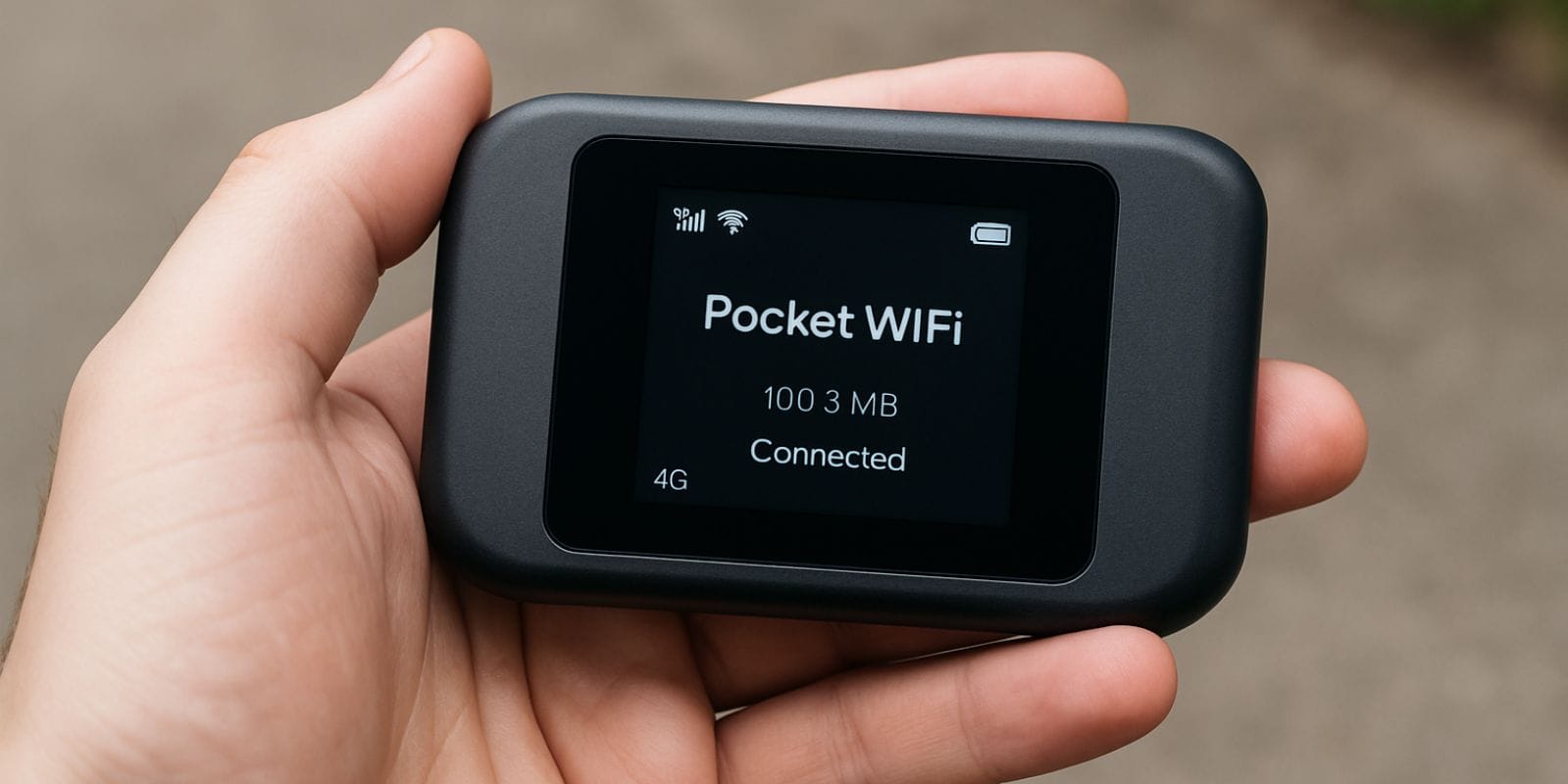
Traveling across Europe often means juggling spotty hotel Wi-Fi and expensive roaming charges. Pocket Wi-Fi devices promise an easy solution, giving you a private hotspot that works in multiple countries. But before you rent one, it’s worth comparing the cost, speed, and convenience against newer options like eSIMs and local SIM cards, especially if you’re traveling solo or on a budget.
If you’re traveling around Europe, you’ll quickly realize WiFi isn’t always easy to find. Hotels usually have it, but once you step outside, it’s hit or miss. Trains, cafés, and Airbnbs all promise free internet, but connections can be slow. That’s why a lot of travelers think about renting pocket WiFi for Europe, a small device that gives you your own portable hotspot everywhere you go.
A pocket WiFi may sound handy, and it is. But it’s not the only option anymore. Between eSIMs, local SIM cards, and regular roaming, pocket WiFi isn’t always the best deal. So before you rent one, here’s what to know about how it works, what it costs, and whether it’s worth it for your trip.
Is Pocket WiFi Worth It for Europe?
Pocket WiFi is convenient, but it’s not for everyone. These little boxes create a private WiFi network that you and your travel buddies can connect to. It’s nice if you’re in a group, using multiple devices, or don’t want to mess with SIM cards.
But if you’re traveling solo or your phone supports an eSIM, you might not need it. An eSIM for Europe travel usually gives you the same data connection for less money and without having to carry an extra gadget.
When Rentals Make Sense vs. eSIM or Roaming
Renting a pocket WiFi for Europe makes sense when you’re sharing data with others. For example, if you’re a couple streaming maps and videos, or a family with kids using tablets, splitting one WiFi unit can be cheaper than buying multiple SIMs.
If you’re traveling alone or just need your phone for Google Maps, messages, and occasional browsing, an eSIM is a reliable option. It installs instantly on most modern phones, doesn’t need shipping, and there’s nothing to return later.
Regular roaming works fine for short trips, but most carriers still charge a lot once you go past your data limit. For longer vacations, that gets expensive fast.
Costs at a Glance
Pocket WiFi rentals in Europe usually cost around $6 to $12 per day. Some companies charge a refundable deposit (usually $50–$150) or a small shipping fee if you want it delivered before your flight. A two-week trip can easily run you $100–$150 total, especially with insurance or shipping added.
eSIMs, on the other hand, cost around $20–$40 for a few weeks of data, and you don’t have to ship or return anything. Portable WiFi for international travel can still be worth it if you’re splitting the cost with friends, but for solo travelers, it’s usually the pricier option.
How Pocket WiFi Works in Europe
A pocket WiFi Europe is basically a portable router. It connects to 4G or 5G mobile networks in Europe and then shares that signal as WiFi. You can connect your phone, laptop, or tablet to it just like you would at home.
Most models handle 5–10 devices at once, which makes them great for families or groups. The setup is simple: turn it on, look for the WiFi name, enter the password, and you’re online.
Battery life usually lasts about 8–12 hours. If you’re sightseeing all day, bring a power bank to recharge it.
Many rental plans say “unlimited data,” but there’s usually a fair-use limit. That means you might get full speed up to 2–5 GB per day, then slower speeds after that. It’s not a huge deal for browsing or maps, but streaming or uploading videos will slow down.
Best Pocket WiFi Providers for Europe
If you decide to rent one, here are some of the best pocket WiFi for Europe options that travelers actually use. Prices and coverage vary, but all of these have English websites and ship to most countries.
TravelWifi
TravelWifi is one of the best pocket wifi for Europe. It covers most of Europe, supports 10 connected devices, and has pickup spots at airports in Paris, Madrid, and London. Plans start around $8 a day.
My Webspot
My Webspot is based in France and rents devices to over 100 countries. It’s popular among long-term travelers. The daily rate starts at around €6.50, and you can have it delivered to your hotel or home before your trip.
Hippocket WiFi
Hippocket WiFi is a French company that focuses on Europe. You can connect up to 10 devices, and they offer both unlimited and pay-per-GB plans. They also deliver to most European addresses within two days.
Cello Mobile
Cello Mobile rents international pocket WiFi devices that work across continents, not just in Europe. It’s a solid choice if you’re visiting multiple regions on one trip. Plans are usually a bit more expensive, but coverage is wide.
Rent ’n Connect
Rent ’n Connect is another popular provider based in Europe. It’s used a lot by digital nomads and people traveling through multiple EU countries. You can have your router shipped to your hotel, Airbnb, or airport desk.
Solis
Solis (previously Skyroam) sells and rents devices that use virtual SIM tech. You can buy the device outright or rent it, then pay for daily or per-GB passes. It’s flexible but can get pricey for longer trips.
Photo by Norbert Buduczki on Unsplash
How to Rent Pocket WiFi in Europe
Pre-Order Online
The easiest way to rent a pocket WiFi Europe is to book it online before your flight. Most sites let you choose delivery to your home, hotel, or airport pickup. If you’re ordering from outside Europe, allow at least a week for shipping. Some companies take a refundable deposit that you’ll get back once the device is returned.
Airport Pickup vs. Hotel Delivery
Airport pickup sounds convenient, but it can be stressful if you land late or the counter is closed. Having it sent to your hotel or Airbnb is usually smoother; it’ll be waiting for you when you check in. Some travelers prefer to get it delivered at home before they fly so they can test it first.
What to Check Before You Pay
Before you click “rent,” look closely at the details. Check for:
How much data do you get before speeds slow down
Late return fees
Replacement cost if lost or damaged
Charging cable and adapter compatibility
Fair-use limits and insurance fees are the two things people often overlook, so it’s worth reading the fine print.
Pros and Cons of Using Pocket WiFi in Europe
Here’s a quick breakdown of what people like and what annoys them about using Pocket WiFi Europe.
Pros:
Works across multiple countries under one plan
Let's you connect several devices at once
No need to swap SIM cards
Cons:
You have to charge and carry another gadget
Daily rental costs can add up
“Unlimited” data often slows after a limit
Replacement costs if lost
For groups or families, portable WiFi for international travel is convenient. But for solo travelers, it’s often more effort and money than it’s worth.
Pocket WiFi Alternatives Travelers Use
Pocket WiFi isn’t your only option. Travelers today often use portable WiFi options like eSIMs, prepaid SIMs, or just public WiFi. Here’s what to expect from each.
Best eSIM for Europe
If your phone supports eSIMs, that’s usually the easiest and cheapest option. You buy data online, scan a QR code, and start using it instantly. Jetpac eSIM is one of the best eSIMs for Europe right now. It activates in minutes, offers 5G in supported areas, and lets you share data from your phone’s hotspot if needed. You don’t have to deal with shipping, returns, or setup.
Local or Prepaid SIM Cards
If you’ll be in one country for most of your trip, you can buy a SIM card for Europe at the airport or a phone shop. Prices are reasonable, around €10–€30 for several gigabytes of data, but you’ll need to show ID and sometimes register it. The downside is switching SIMs when crossing borders or using a locked phone that won’t accept others.
Free Public WiFi
Public WiFi is fine for checking messages or looking up directions, but it’s rarely strong enough for streaming or calls. Avoid logging into banks or using sensitive accounts on public networks, especially at airports or train stations. It’s okay for a quick search, but not something you should depend on every day.

Photo by Vitaly Gariev on Unsplash
Pocket WiFi vs. eSIM vs. Roaming, What’s Better?
If you’re traveling with family or friends and plan to share one connection, go with the best pocket WiFi for Europe. It’s simple and works for multiple devices.
If you’re traveling solo and your phone supports it, get the best eSIM for Europe travel. It’s cheaper, cleaner, and works instantly in most countries.
Roaming with your regular carrier can work for short trips, but it’s the most expensive option. Even “international plans” from carriers like Verizon or AT&T can rack up big bills if you’re not careful.
For most people in 2025, Europe eSIM now makes more sense than renting hardware, but portable WiFi Europe still fits travelers who want one shared plan or need it for work.
|
Traveler Type / Factor |
Pocket WiFi |
eSIM (Digital SIM) |
International Roaming |
|
Ideal For |
Families, groups, or multi-device users |
All types of travelers |
Short trips or business travelers |
|
Setup |
Device delivery or airport pickup; manual setup |
Instant activation via QR code |
Auto-connect (no setup needed) |
|
Coverage |
Works across multiple European countries |
Regional or country-specific plans |
Global (depends on carrier) |
|
Speed & Performance |
Usually, 4G/5G is shared across devices |
Direct 4G/5G on your phone |
Depends on partner networks |
|
Hosspot Sharing |
Can connect 5–10 devices |
Connect to unlimited devices ( Only on Jetpac eSIM) |
Usually limited to one device |
|
Battery & Portability |
Requires charging (8–10 hr battery) |
No extra device needed |
No extra device needed |
|
Data Limits |
Often “unlimited” but throttled after daily cap |
Fixed or unlimited data (plan dependent) |
High roaming caps; extra fees for overuse |
|
Ease of Use While Traveling |
Moderate – carry & manage device |
Very easy – all digital |
Easiest – just turn on roaming |
|
Cost (Approx.) |
$6–$10/day rental |
Jetpac eSIM price start from $1 |
$5–$15/day (varies by carrier) |
|
Reliability |
Strong if you stay in covered areas |
Very reliable within plan region |
Reliable but expensive |
|
Pros |
Shareable, flexible, wide coverage |
No hardware, instant setup, best value |
Plug-and-play, zero setup |
|
Cons |
Extra gadget, deposits, shipping |
Needs compatible phone, setup before trip |
High cost, hidden fees |
|
Best For |
Groups/families needing shared data |
All types of travelers |
Business travelers on short trips |
Rental Checklist & Quick Setup Tips
Here’s what to do before you pick from the best portable wifi options:
Order your portable WiFi Europe at least a week before departure.
Check coverage for every country you’ll visit.
Bring a power bank, batteries don’t last a full day if multiple devices are connected.
Restart the device when you cross a border so it finds a local network.
Read the fair-use limit in the contract to avoid slowdowns.
If you’re using an eSIM for Europe, you don’t have to return anything or worry about adapters. Just install it before your flight and test it once you land.

Photo by Alex Vasey on Unsplash
FAQs
Can I use pocket WiFi in Europe?
Yes. Most pocket WiFi devices work across Europe and switch automatically between local networks. Just charge it each night and keep it close to the devices you’re using.
Is there an international pocket WiFi?
Yes. Many companies rent international pocket WiFi units that work worldwide. They’re more expensive but useful if you’re visiting several continents on one trip.
How do I get WiFi when traveling to Europe?
You can rent a pocket WiFi Europe, buy a prepaid SIM card, or install an eSIM for Europe travel before your flight. eSIMs are digital and ready to use instantly once you land.
What are the disadvantages of pocket WiFi?
You have to charge it, carry it, and return it. Data speeds may slow after a certain amount of use, and you’ll pay replacement fees if it’s lost. It’s also not the cheapest option for solo travelers.
How do I get unlimited internet in Europe?
Some pocket WiFi rentals advertise “unlimited” data, but most slow down after heavy use. If you need constant high-speed data, try Jetpac eSIM for Europe. It’s one of the best eSIMs for Europe, with flexible plans and hotspot sharing from your phone.
What’s the best alternative to pocket WiFi in Europe?
The best alternative is a Europe eSIM. It’s quick to set up, doesn’t require a separate device, and works in multiple countries without roaming fees. For most travelers, it’s the easiest way to stay connected.
If you’re traveling through several countries with friends or family, a best pocket WiFi for Europe can be worth the money. You’ll all share one connection and avoid juggling SIM cards. But if you’re on your own or prefer fewer gadgets, an eSIM does the same job for less.
Both options are good; it just depends on how you travel. So think about your trip length, how many people you’ll share with, and how much data you actually need. And if you’re wondering ‘Will my phone work in Europe’, you should figure it out depending on your carrier.
Once you’ve got that sorted, you can focus on the fun stuff, which parts to visit, figure out a packing list for Europe, and yes, make sure your maps still load when you’re lost in Rome.