Skiing in Japan: Discover the Best Ski Resorts in Japan You Can't Miss
Discover the magic of skiing in Japan with deep powder skiing and epic resorts. Stay prepared on the go with a Jetpac eSIM for easy, reliable connectivity.
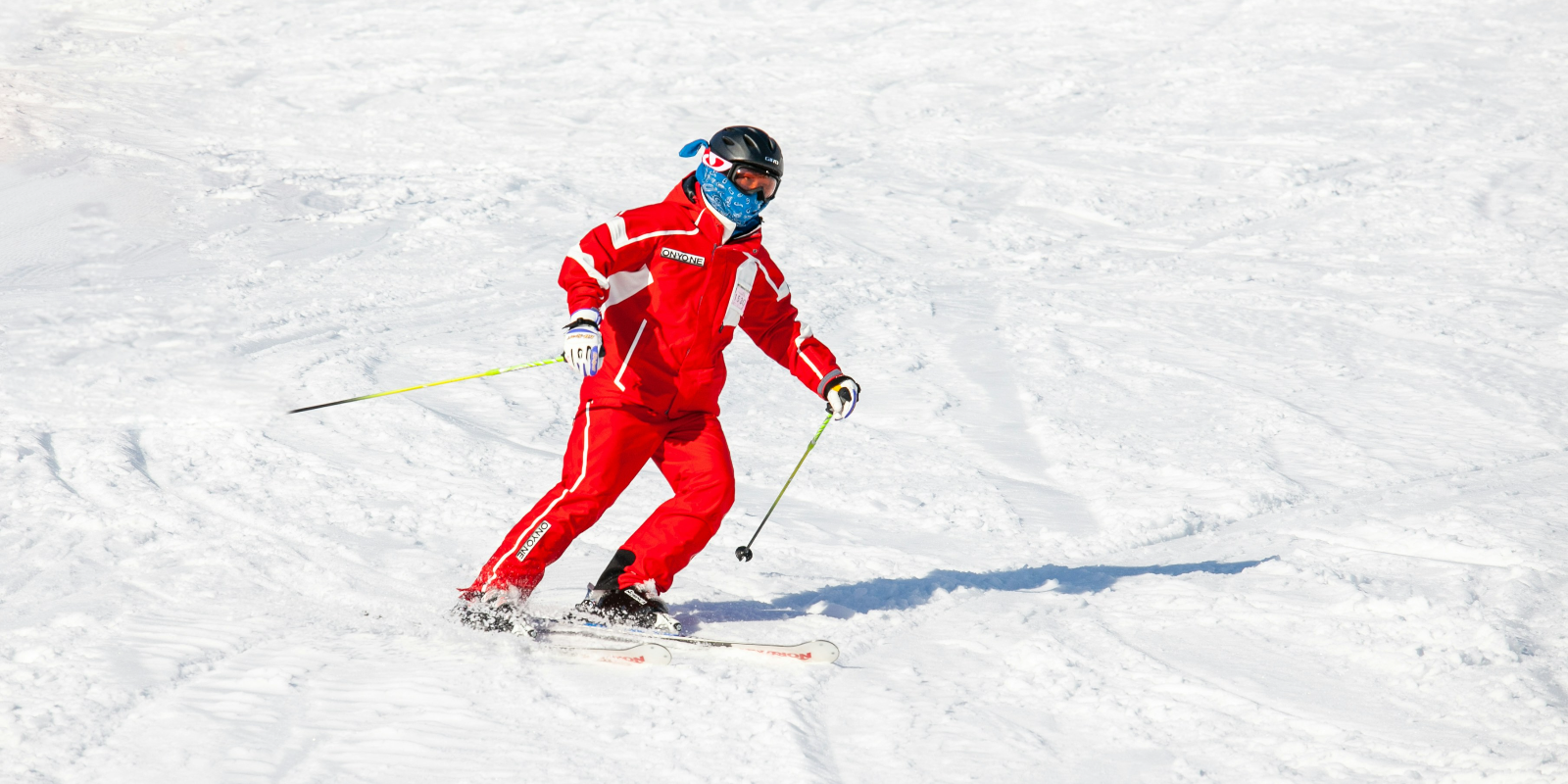
Fresh snow, steaming onsens, and lantern-lit villages make winter in Japan feel like a season made for slowing down and enjoying the mountains properly. If you are thinking about skiing in Japan, you need to understand which regions suit skiing powder hunters, beginners, families, and mixed groups, what it really costs, and when to go. From Niseko and Hakuba to quieter spots like Furano and Nozawa Onsen, you can match your style to the right resort. Many travelers also use a Jetpac eSIM to keep their maps, weather checks, and bookings effortless while they move between ski areas.
Skiing in Japan feels special from the moment you see the mountains. Light, dry “Japow” snow falls in generous amounts, villages glow at night with onsen steam, and even beginners find slopes that feel welcoming instead of intimidating. The country balances well-groomed runs with dreamy tree lines, and you can finish a long ski day with ramen or an open-air hot spring instead of just another bar. Whether you are planning your first winter trip or looking for the best skiing in Japan after years on the slopes elsewhere, Japan has a way of raising your expectations in the best possible way.
What sets Japan apart from Europe or North America is how consistent the snow can be, especially in Hokkaido, and how well organised the resorts are for visiting skiers. Trains run on time, rental shops are efficient, and most of the bigger mountains have English-friendly signs. With multiple regions and resorts to connect, many travelers choose Jetpac eSIM as their travel mate to keep routes, bookings, and maps handy as they move between mountains.
Understanding Japan’s Ski Season and Regions
Before you decide which are the best ski resorts in Japan for your trip, it helps to understand how the season works and how the main regions differ. Japan stretches a long way from north to south, so conditions in Hokkaido are not always the same as in Nagano or Niigata on Honshu. Once you understand the pattern, picking the best time to ski in Japan becomes much easier.
When Is the Ski Season in Japan?
Most ski places in Japan open from late November and run through April, with high snow years extending into early May at some resorts. In Hokkaido, the heart of skiing in Japan, the deepest powder usually appears from late December through February. These months suit powder hunters and experienced riders who want frequent fresh snow.
On Honshu, especially in Nagano and Niigata, the best time to ski in Japan often falls between late December and early March. Families and beginners may prefer late January to early March when temperatures are a little milder and days feel longer. Budget travelers sometimes aim for early December or late March, when some lifts are still running but prices drop and crowds thin out. Holiday peaks such as New Year, Chinese New Year, and domestic school holidays increase demand, so those weeks need earlier planning and higher budgets.
Key Ski Regions: Hokkaido vs Honshu
When people talk about the best skiing in Japan, they are usually comparing two main regions. Hokkaido, the northern island, is famous for its powder belt, colder temperatures, and very consistent snowfall. Resorts like Niseko, Furano, and Rusutsu receive huge amounts of light, dry snow and attract international travelers who want deep, playful conditions.
Honshu, the main island, offers a different mix. Ski places in Japan, such as Hakuba Valley, Nozawa Onsen, and Shiga Kogen, sit among tall alpine peaks and historic villages. This region brings Olympic heritage, traditional onsen towns. If your trip includes both city time and skiing in Japan, Honshu often makes logistics simpler.
Choosing between the two depends on your priorities. If snow quality matters most, Hokkaido is hard to beat. If you want a combination of culture, food, and mountains with shorter travel times from major cities, Honshu might be the best place to ski in Japan for you.
Best Ski Resorts in Japan You Can’t Miss
Once you have a sense of regions and timing, it is time to look at specific mountains. The best ski resorts in Japan are not only about vertical drop and snow depth, but also about atmosphere, food, and how a whole village feels after dark. Here are some of the ski places in Japan that show why the country has become a global winter favorite.
Niseko United (Hokkaido): Powder Capital with International Vibe
Niseko United appears on almost every list of the best ski resorts in Japan for a reason. It brings together several interconnected ski areas under one pass, with long runs, abundant powder, and famous backcountry gates for more advanced riders. For many visitors, Niseko is the best place to ski in Japan if you want deep snow and a lively atmosphere.
The town has plenty of English signage, international restaurants, and comfortable accommodation ranging from hostels to luxury apartments. Night skiing is excellent here, and the combination of floodlit snow and falling flakes gives you a real sense of what makes skiing in Japan feel magical. It suits intermediates and advanced skiers who do not mind crowds in exchange for reliable powder and lots of terrain.
Furano (Hokkaido): Quiet Slopes and Smoother Crowds
For travelers who like the idea of Hokkaido but want calmer slopes, Furano is often one of the best ski resorts in Japan to consider. The snow quality rivals Niseko, but the vibe is quieter and more local. Families appreciate the gentle learning areas and reliable grooming, while more experienced skiers enjoy sidecountry lines and tree runs with fewer people around.
Furano town feels more authentically Japanese, with small eateries, local bars, and fewer international chains. This makes it a strong choice for visitors who want the best skiing in Japan without feeling like they are in a resort bubble. It is also a good base if you plan to visit nearby areas or add non-ski days to your trip.
Rusutsu (Hokkaido): Tree Runs and Resort Comfort
Located on Japan’s northern island of Hokkaido, a region famous for its light, dry “Japow” snow, Rusutsu blends comfortable resort living with some of the most enjoyable tree runs in the country. It’s often mentioned among the best ski resorts in Japan for travelers who want wide, playful terrain together with easy, on-site conveniences. Families will appreciate the integrated hotels, restaurants, and even small amusement facilities, making evenings simple and relaxing after a full day on the snow.
The tree runs are a major draw for intermediate and advanced skiers, especially on big powder days. Rusutsu is also close enough to Niseko that some visitors stay in one area and day-trip to the other, making this part of Hokkaido feel like one extended playground for skiing in Japan.
Hakuba Valley (Nagano): Big Terrain and Olympic Legacy
On Honshu, Hakuba Valley is a strong contender for the best place to ski in Japan if you want variety in one region. With multiple interconnected resorts under a single pass, Hakuba offers everything from gentle beginner slopes to steep alpine lines and backcountry access. The mountains here formed part of the 1998 Nagano Winter Olympics, and the scale of the terrain reflects that history.
Hakuba works well for mixed ability groups and is often included in itineraries that combine skiing in Japan with city time in Tokyo. The village areas have a mix of traditional Japanese inns and Western-style lodges, and shuttle buses help you move between different ski areas. On clear days, the surrounding peaks make every chairlift ride feel like a postcard.
Nozawa Onsen (Nagano): Skiing with Classic Onsen Village Charm
Nozawa Onsen offers something that many people imagine when they picture the best ski resorts in Japan. The village streets wind between traditional wooden buildings, free public bathhouses steam gently in the cold air, and local food stalls make evenings feel cosy. On top of that atmosphere, the ski area has reliable snow, long runs, and good terrain for both beginners and confident riders.
For many travelers, Nozawa Onsen is the best place to ski in Japan if they want culture and snow in equal measure. You can spend the day exploring the mountain, then soak in an onsen before dinner in a small family-run restaurant. It is especially appealing for couples, groups of friends, and repeat visitors who want more than just lifts and lodges.
Shiga Kogen (Nagano): Japan’s Largest Linked Ski Area
Shiga Kogen is one of the largest linked ski areas in the country, with multiple zones connected by lifts and runs. This scale makes it one of the best ski resorts in Japan for mileage, especially if you enjoy exploring new pistes each day. Its higher elevation gives it a long season and often better snow retention than some lower resorts in Honshu.
The atmosphere is quieter and less international than Niseko or Hakuba, which appeals to travelers who prefer a more Japanese feel to their skiing in Japan. Strong intermediate and advanced skiers can cover a huge amount of terrain in a few days, and the nearby Jigokudani Snow Monkey Park makes a memorable non-ski excursion.
How to Choose the Right Japanese Ski Resort for You
With so many ski places in Japan, choosing can feel overwhelming. Rather than asking which single mountain is the best place to ski in Japan, it helps to think about what you want your days to look like. Your skill level, travel group, and priorities will all shape which resort suits you best.
Best Resorts for First-Time Skiers and Families
If you are new to skiing in Japan or traveling with children, you will want gentle beginner areas, dependable ski schools, and easy access from your accommodation to the lifts. Resorts like Furano, Rusutsu, and parts of Hakuba Valley are very supportive for first timers, with English-speaking instructors and plenty of rental options.
Look for mountains that have wide, beautiful green and blue runs, plus indoor spaces for breaks on colder days. Family-friendly resorts often have snow play zones, tubing, and kid-focused lessons, which keep younger travelers happy even if they tire early from skiing. Booking lessons in advance is important during school holidays and peak weekends.
Best Resorts for Advanced Skiers and Powder Hunters
For experienced skiers and riders, the best skiing in Japan often means deep powder, tree lines, and lift-accessed sidecountry. Niseko United, Rusutsu, Furano, and sections of Hakuba attract powder hunters from all over the world. Many of these resorts offer guided backcountry tours that provide safer access to off-site zones with local expertise.
Avalanche awareness is crucial, as is respecting resort boundaries and rope lines. If you plan to chase the best time to ski in Japan for powder, you will likely target January and February in Hokkaido or mid-winter in Nagano. In these months, the combination of storm cycles and cold temperatures gives you the type of snow conditions that made skiing in Japan famous.
Best Resorts for Onsen, Food, and Village Atmosphere
If your ideal trip leans toward culture and comfort, focus on resorts where the village matters as much as the mountain. Nozawa Onsen is a classic example, with its network of free public baths, narrow streets, and local eateries. Parts of Hakuba, especially the more traditional lodges, also blend skiing in Japan with cultural touches like tatami rooms and Japanese-style meals.
Look for destinations that highlight onsen experiences, small izakayas, and seasonal food. You may ski fewer hours each day, but your overall trip will feel richer. For many travelers, these resorts become their personal best ski resorts in Japan simply because the evenings are as memorable as the runs.
Planning Your Ski Trip to Japan
Even the best ski resorts in Japan need a bit of planning to experience properly. Deciding how many days to spend, whether to move between mountains, and how to handle transport can make a big difference to how relaxed your trip feels.
How Many Days Do You Need for a Japan Ski Trip?
If you are combining city time with skiing in Japan, a 7-to 10-day trip works well. This usually allows three to five days on the slopes and a few days in Tokyo, Osaka, or Kyoto. For a ski-focused holiday, many travelers aim for 7 to 10 consecutive days in one region, which leaves room for a rest day and some exploring off the mountain.
If you are flying a long distance, two weeks gives you time to adapt to jet lag and fully enjoy a mix of resorts. A shorter four or five-day trip can still be rewarding if you choose one accessible resort and skip too many location changes.
Where to Base Yourself: Single Resort vs Multi-Resort Trip
Some travelers pick one resort and settle in, while others want to sample multiple ski places in Japan on a single trip. Staying in one place, for example, only in Niseko or only in Hakuba, keeps logistics simple and reduces time spent packing and transferring. This works well for families and first-timers.
A multi-resort itinerary can be great if you want to compare the best ski resorts in Japan in one visit. Popular combinations include Niseko with Rusutsu, or Hakuba with Nozawa Onsen. If you choose this approach, factor in transfer times, luggage, and the cost of separate accommodation bookings. Try to stay at least three nights in each place so you have time to adjust to the local rhythm.
Getting There: Trains, Transfers, and Local Transport
Most international visitors arrive in Tokyo or Sapporo. From Tokyo, the Shinkansen and express buses connect you to Nagano and Niigata ski areas. From Sapporo’s New Chitose Airport, shuttle buses and trains serve Hokkaido resorts such as Niseko, Rusutsu, and Furano. Booking transfers in advance is important during the best time to ski in Japan, when demand spikes.
Within resort areas, shuttle buses, local trains, and short taxis or rideshares handle most movement between villages and lifts. Roads are generally well-maintained, but winter driving requires caution if you rent a car. Always check the weather and road conditions before longer drives.
Expected Costs: What You Will Really Spend on a Japan Ski Holiday
Skiing in Japan ranges from surprisingly affordable to premium, depending on where you stay and how you like to travel. Understanding the main cost categories helps you keep your budget realistic and avoid unpleasant surprises.
Lift Passes and Rentals
Day passes at many of the best ski resorts in Japan typically range from around $40 to $80 per day, with discounts for multi-day tickets. Larger areas like Niseko United and Hakuba Valley sit at the higher end of that range. Some resorts offer evening or night skiing passes at reduced prices, which work well if you want to mix sightseeing and skiing in Japan on the same day.
Equipment rentals for skis or boards, boots, and helmets usually run between $30 and $60 per day, depending on the quality and location. Booking online in advance can sometimes secure better rates and ensure that gear is ready on arrival. If you travel with your own equipment, check airline fees and weight limits so that baggage costs do not outweigh rental savings.
Accommodation Near the Slopes
Accommodation near the best ski resorts in Japan covers a wide spectrum. Shared hostel-style rooms may start from around $30 to $50 per night, while mid-range hotels run between $80 and $150 per night. Ski-in ski-out hotels and luxury apartments can easily reach $200 to $400 per night or more in peak season.
Booking early is essential for stays in January and February, particularly in high-demand resorts like Niseko and Hakuba. If you are flexible, staying a short walk or shuttle ride away from the lifts can reduce costs significantly while still keeping you close to the action.
Food, Lessons, and Extras
On mountain meals like ramen, curry, or rice bowls often cost between $8 and $15, while dinners in resort towns can range from $15 to $35 depending on the restaurant. Using convenience stores for breakfast and snacks keeps daily costs down. Ski lessons usually cost between $60 and $150 per session, with private instruction at the higher end, especially at international friendly resorts.
Extras such as onsen entries, gear storage, and small purchases add up, so include a buffer in your budget. A realistic daily spend for many visitors, excluding flights, often sits somewhere between $120 and $250, depending on choices around accommodation and food.
Essential Skiing Tips for Japan (First Timers and Repeat Visitors)
Small details can make skiing in Japan smoother, especially if it is your first winter trip to the country. A bit of preparation goes a long way in keeping you warm, safe, and relaxed from your first chairlift ride to your last onsen soak.
Snow, Safety, and Local Etiquette
Japanese resorts are well managed, and following their rules keeps everyone safe. Respect rope lines and closed zones, even if the snow beyond them looks inviting. The backcountry areas often require avalanche gear and, ideally, a guide who understands local conditions.
On the slopes, basic etiquette matters. Give way to the skier below you, avoid stopping in the middle of narrow runs, and be aware of beginners learning around you. In shared spaces like gondolas and lodges, keeping voices moderate and gear neatly organised helps maintain the calm, polite atmosphere that many people appreciate about skiing in Japan.
Gear and Packing Checklist for Japanese Winter
Layers are the secret to staying comfortable. A good base layer, insulating mid layer, and waterproof outer shell make a bigger difference than simply packing a heavy jacket. Neck warmers, good gloves, and goggles are essential in both Hokkaido storms and Honshu’s colder days.
Power adapters for Japanese sockets, portable chargers, and waterproof phone pouches are worthwhile additions. Many skiers compare options such as pocket WiFi, local SIM cards, or an eSIM for Japan so that navigation, translation, and messaging stay available even in unfamiliar areas. Planning your tech needs early simplifies your first few days on the ground.
Onsen Etiquette After a Day on the Slopes
Onsens are part of the reward after skiing in Japan. Before entering the shared hot spring, you must wash thoroughly at the shower stations provided. Swimsuits are usually not allowed, and towels should remain on the side, not in the water.
Tattoos can be an issue at some traditional onsens, although more places now accept them or offer private options. Quiet conversation is fine, but loud voices and splashing are not. Following these simple rules keeps the atmosphere peaceful and respectful for everyone.
Staying Connected in the Mountains
Most of the best ski resorts in Japan have good mobile coverage in village areas and around base stations, but the signal can weaken on remote slopes or in certain valleys. Hotel and lodge WiFi works for most casual use, but it may slow down at busy times. If you rely on live weather updates, messaging, or navigation, it is worth planning your connectivity before you arrive.
Travelers often compare hotel WiFi, local SIM cards, standard roaming, and newer options like an eSIM for Japan. A Japan eSIM lets you activate a data plan digitally without visiting a store, which is useful if you are moving quickly between cities and ski towns. For many people, the best eSIM for Japan is the one that balances cost, coverage, and simplicity without locking them into unexpected roaming charges.
Staying online on the go means you can check avalanche bulletins, view real-time lift status, or find your friends in crowded base areas. It also helps if you plan to explore some of the best places to visit in Japan beyond the mountains, such as Tokyo, Kyoto, or Hiroshima, before or after your time on the snow.
Jetpac: Easy Connectivity While You Chase Japan
Because ski trips often involve remote slopes, changing weather, and last-minute adjustments to your plan, a reliable travel eSIM for Japan like Jetpac can keep everything running from one place on your phone. Instead of juggling different SIM cards or worrying about daily roaming caps, you manage your data in a single app while you move between regions.
Set Up Once for Over 200 Destinations
Jetpac offers one eSIM that can be used across more than 200 countries and regions. You install it once and then top up data as needed when you travel again, which is especially helpful if Japan is part of a longer Asia or multi-country winter trip.
Stay Online with Multi-Network Coverage
The service connects to multiple local networks so your phone can automatically switch to the strongest available signal. This is useful on long mountain drives, train journeys to resort towns, and days when you are moving between ski areas.
Keep Costs Predictable with Prepaid Plans
All of Jetpac’s plans are prepaid with 100 percent upfront pricing, which helps you avoid roaming surprises. On average, travelers can save up to 70 percent compared to typical roaming rates, which keeps more of your budget available for lift passes and meals instead of background data charges.
Share Data Across Your Devices
Unlimited hotspot sharing lets you connect laptops and tablets without extra restrictions. This is handy if you are working remotely in the evenings, streaming shows between ski sessions, or traveling with someone who needs a quick connection.
Use Essential Apps Even When Data Runs Low
Jetpac keeps key apps like Uber, WhatsApp chat, and Google Maps working even after your main data pack finishes, which prevents awkward moments when you need a ride or directions at the end of the day.
Get Help Whenever You Need It
Support is available at all hours through WhatsApp and email, which fits the reality of changing time zones and late-night travel questions.
Call Internationally with Fast 5G Support
Outgoing voice calls and 5G network access are available in more than 50 countries, starting from $1.99 for five minutes, which helps you stay in touch with people back home or coordinate with local contacts.
If staying connected is part of your plan for skiing in Japan, Jetpac offers a simple way to keep your data reliable and your costs under control while you focus on powder days.
Read More:
If you are planning to explore more of the country before or after your time in the mountains, it helps to know which cities and regions are worth adding to your route. Discover historic neighborhoods, coastal towns, and modern cities that pair perfectly with a winter itinerary.
Read our blog 👉 15 Best Places to Visit in Japan: Cities, Nature & Hidden Gems
FAQs
When is the snow most reliable for skiing in Japan?
The most reliable snow for skiing in Japan usually falls between late December and late February, especially in Hokkaido and higher elevation resorts in Nagano. During this window, storms are frequent, and temperatures stay cold enough to keep conditions soft and dry. If you prefer slightly quieter slopes and longer days, early March can also be a good compromise with fewer crowds and still solid coverage.
Do I need to book lift passes and rentals in advance?
While some smaller resorts allow walk-up purchases, the best ski resorts in Japan often recommend booking for busy periods. Reserving lift passes, lessons, and rentals online helps you avoid queues and guarantees that suitable equipment is available in your size. This is especially important around the New Year, Chinese New Year, and school holidays, when demand is at its highest.
Is it easy to rent ski gear if I do not bring my own?
Yes, most major ski places in Japan have well-stocked rental shops offering skis, snowboards, boots, helmets, and sometimes clothing. Quality is generally high at larger resorts, and many staff members speak basic English. Prices vary by location, but renting is often easier than flying with gear, especially for first-time visitors or those planning a short stay.
Are Japan’s ski resorts beginner-friendly?
Many of the best ski resorts in Japan are beginner-friendly, with wide, gentle slopes, dedicated learning zones, and ski schools that accept English-speaking guests. Resorts such as Furano, parts of Hakuba, and Nozawa Onsen are particularly welcoming for those starting out. Booking a ski group or getting private lessons early in your trip can build confidence and help you enjoy more of the mountain safely.
Can I combine skiing in Japan with a Tokyo or Kyoto city trip?
Combining skiing in Japan with city time is very common and often one of the highlights of a winter visit. You can fly into Tokyo, spend a few days exploring, then take the Shinkansen or a domestic flight to a nearby resort. After your days on the snow, rounding off your trip in cities like Kyoto or Osaka gives you a completely different view of the country, from temples to street food.
What should I know about using an eSIM or mobile data while in ski regions?
Most visitors find that using a Japan eSIM or broader eSIM Japan solution is the easiest way to stay connected across cities and ski areas. An eSIM for Japan can be installed before departure, so your phone connects to local networks as soon as you land. Options like the best eSIM for Japan from Jetpac offer multi-network coverage and prepaid plans, which help you avoid roaming fees while still using maps, messaging, and weather apps on the slopes and in town.
Disclaimer:
All information in this blog reflects details available at the time of writing. Actual prices may change due to inflation, market shifts, or regional differences. Jetpac is not responsible for updates or variations that occur after publication.