The Best Time to Visit Southeast Asia
Find the best time to visit Southeast Asia with a month-by-month breakdown, weather patterns, crowds, and travel tips.
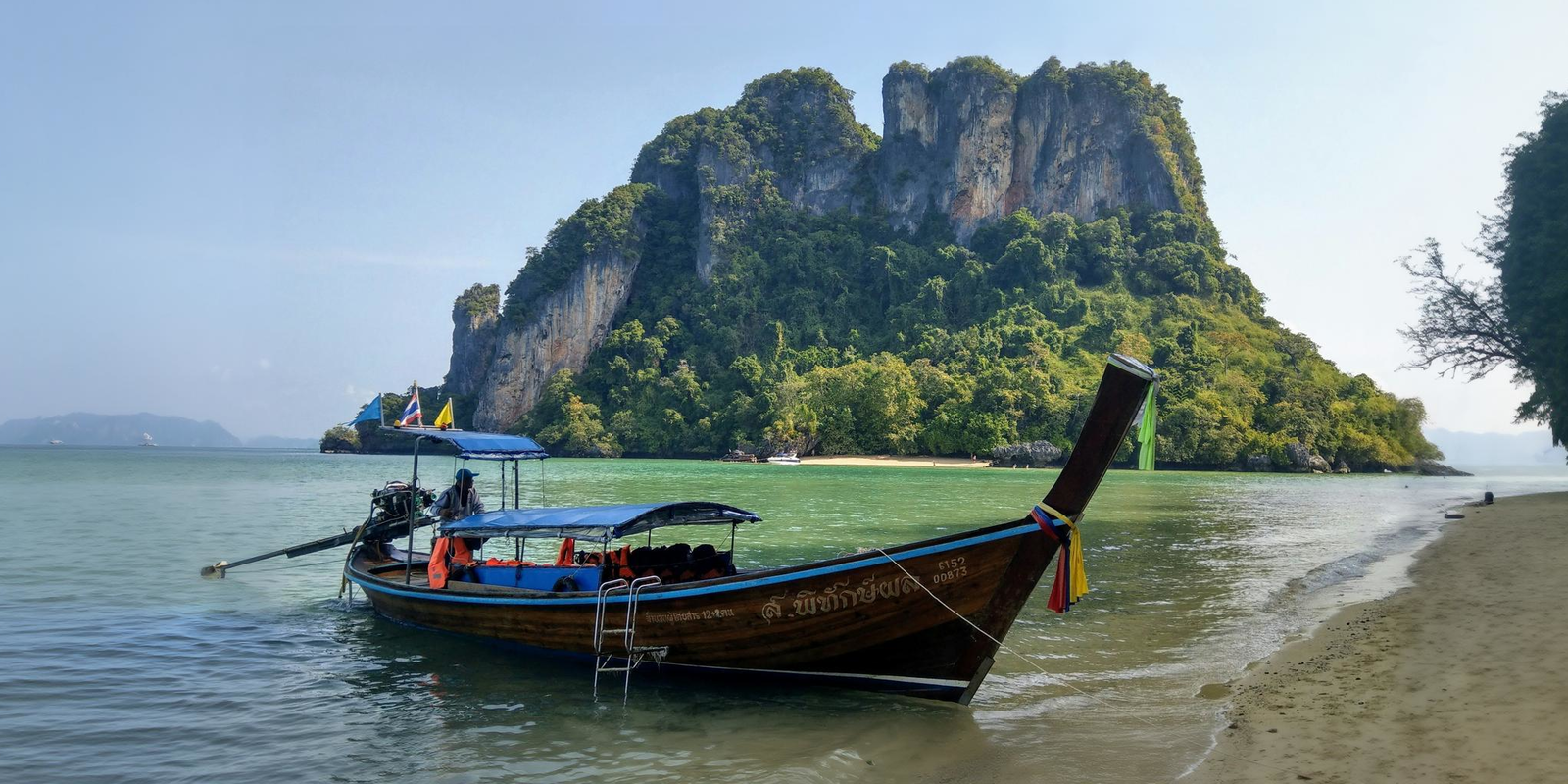
Southeast Asia is a region where the weather, landscapes, and travel pace change noticeably as the months pass. This guide to the best time to visit Southeast Asia breaks the year down month by month, showing how conditions shift across different countries and regions. From dry season travel that feels easy and social to greener months that bring quieter roads and local festivals, each period offers a distinct way to experience the region. With the right timing and planning, traveling through Southeast Asia feels as rewarding as the places themselves.
Southeast Asia does not follow one single travel season. Heat, rain, festivals, and landscapes shift month by month, and that is what makes planning feel confusing at first. One place might be dry and calm, while another is deep green after rain. Humidity, crowds, and prices all change quietly as the months move along.
The best time to visit Southeast Asia depends less on a perfect window and more on what you want to experience. Some months are ideal for beaches and islands. Others suit food-focused trips, festivals, or slower travel through cities and countryside. Knowing what each month offers makes the journey feel easier and more intentional.
In this blog, we have broken the year down clearly, so you can decide when the weather, atmosphere, and pace feel right for you.
Before we get into the month-by-month breakdown, just a friendly reminder for you 😊; do not forget to keep your passport for connectivity - Jetpac eSIM for Southeast Asia.
How to Read This Month-by-Month Guide?
Each month in this blog highlights what Southeast Asia feels like at that time, not just the weather on paper. You will see when beaches are at their best, when cities feel easier to explore, and when festivals or seasonal changes shape daily life. This makes it simpler to understand “when is the best time to travel to Southeast Asia?” based on real experience, not averages.
Conditions vary across the region, so the best time to visit Southeast Asia countries often depends on where you are headed. A rainy month in one country can be dry and pleasant in another. Reading month by month helps you spot patterns, plan around crowds, and choose the best time to travel in Southeast Asia that fits your preferred pace of movement, dining, and exploration.
January
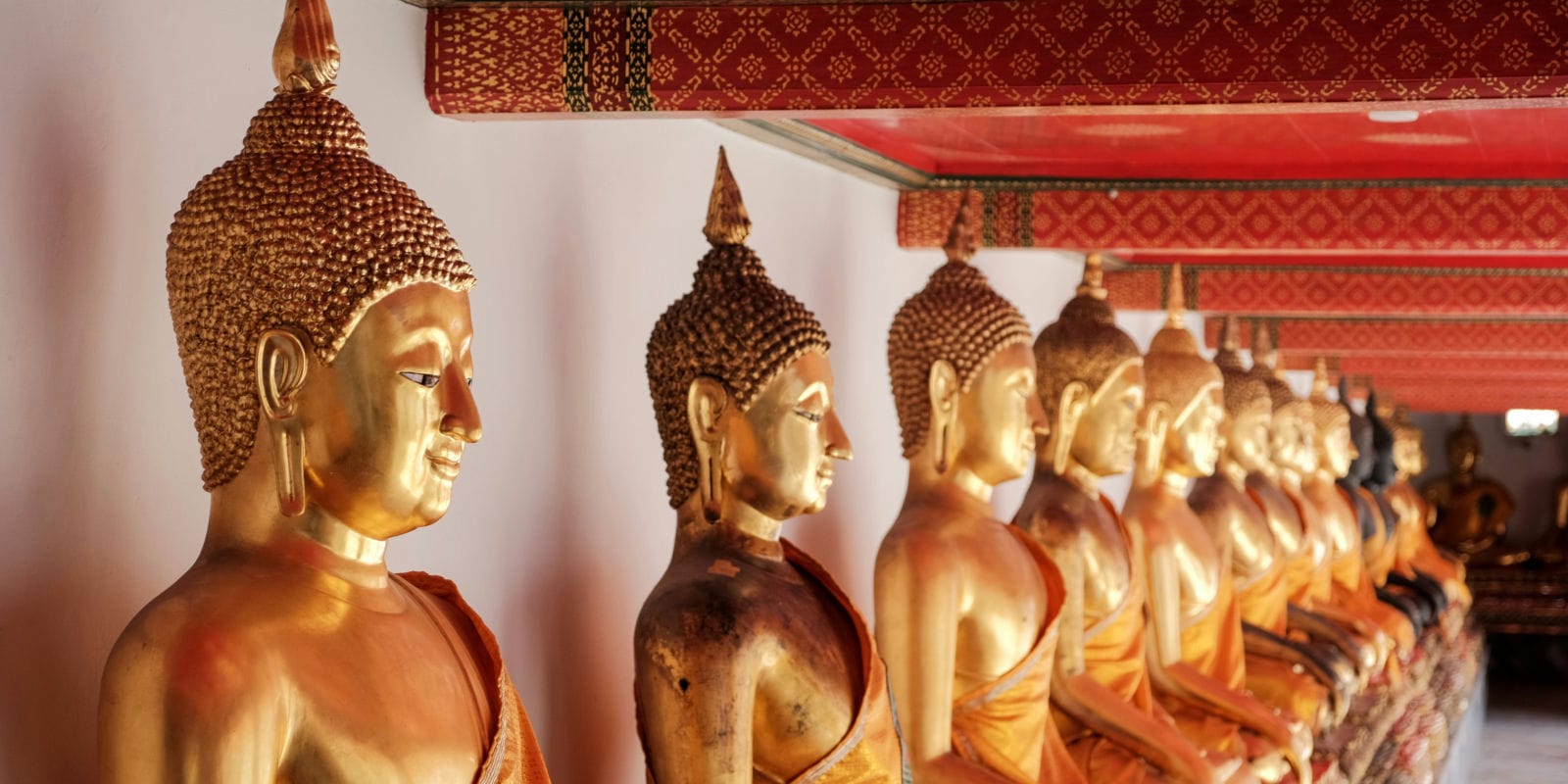
January is dry and comfortable across much of Southeast Asia, with warm days, lower humidity, and cooler evenings. It is one of the easiest months to move around without weather interruptions.
This month works especially well for Northern Thailand and Northern Vietnam. Chiang Mai and Chiang Rai feel pleasant for walking and temple visits, while Hanoi enjoys mild days and clear skies. January also brings Tet preparations in Vietnam, when markets fill with flowers, decorations, and seasonal food.
Food feels warming and familiar. Noodle soups, grilled meats, and bakery treats suit the cooler evenings, and night markets stay active without the heat pressing in.
Crowds are higher due to peak season, but the mood stays upbeat and social. January feels like a strong starting point for travelers figuring out the best time to visit Southeast Asia.
February
February stays dry and warm across much of Southeast Asia, with steady sunshine and comfortable evenings. Humidity remains manageable, making full days outside feel easy.
This month suits Malaysia, especially Penang and Kuala Lumpur. Penang’s street food scene is at its peak, and city walks feel relaxed without the heavy heat. February often brings Thaipusam, a major Hindu festival celebrated in Malaysia, when processions, music, and temple gatherings fill the streets and create a powerful atmosphere.
Food takes center stage. Hawker stalls stay busy late into the night, with spice-heavy dishes, fresh seafood, and sweets tied to festival celebrations. Eating becomes part of the experience rather than just a break.
Crowds are present but focused around festival areas. Outside those pockets, travel feels smooth and unhurried. February works well for travelers who enjoy culture, food, and lively cities while still staying within the best time to visit Southeast Asia.
March
March stays mostly dry, but the heat starts to rise, especially by midday. Early mornings and evenings are the most comfortable times to explore.
This month works well for Cambodia, particularly around Angkor. Clear skies and dry paths make temple visits easier, especially at sunrise. March also brings Boun Khoun Khao in parts of Laos, a rice festival where villages gather around food, offerings, and local rituals.
Food shifts toward lighter, cooling dishes. Fresh fruit, iced drinks, and simple grilled meals become more appealing as temperatures climb.
Crowds begin to thin compared to January and February, and the overall vibe feels calmer. March suits travelers who want dry weather, cultural depth, and a quieter pace before peak heat fully arrives, making it a flexible answer to when is the best time to travel to Southeast Asia.
April
April is hot across Southeast Asia, with strong sun and high humidity. Days feel intense, but water and shade shape how people move.
This month belongs to Laos, especially Luang Prabang. The city slows down for Pi Mai, the Lao New Year, when water splashing fills the streets, temples host quiet rituals, and locals return home to celebrate. It feels joyful but grounded, with a strong sense of community rather than spectacle.
Food stays simple and refreshing. Sticky rice, grilled meats, herbs, and fresh fruit dominate tables, often eaten between festival moments and slow afternoons.
Crowds gather around New Year celebrations, but outside those days, travel feels lighter. April suits travelers who do not mind the heat and want to experience Southeast Asia through local traditions rather than sightseeing alone.
May
May feels like a turning point. Heat lingers, but short afternoon showers begin to cool things down. The rain is usually brief, and days still have plenty of clear hours.
This month suits Indonesia, especially Bali’s interior and cultural towns. Rice fields turn bright green, rivers fill up, and the island feels calmer after the busy dry season. May often aligns with Galungan preparations, when villages decorate streets with tall bamboo poles, and families focus on temple visits and home rituals.
Food feels fresh and seasonal. Tropical fruit becomes more abundant, and meals lean toward simple rice dishes, vegetables, and grilled seafood. Eating slows down with the weather.
Crowds drop noticeably, and prices soften. The vibe feels quieter and more local, making May a comfortable option for travelers looking beyond peak season while still staying within the best time to visit Southeast Asia.
June
June brings warmer air and the start of the rainy season in parts of Southeast Asia 🌦️. Showers are usually short and arrive later in the day, leaving mornings open and usable.
This month works well for the Philippines, especially Cebu. The sea stays warm, island travel continues, and cities feel less crowded. June also brings Parada ng Lechon, a lively festival in Cebu where streets fill with music, color, and roasted food shared openly.
Food feels festive and generous. Grilled meats, fresh seafood, and communal meals define the month, often tied to local celebrations rather than tourist schedules.
Crowds are lighter than peak season, and the vibe feels playful and relaxed. June suits travelers who are flexible with short rain spells and want culture, food, and space while planning the best time to visit Southeast Asia.
July
July feels humid, with regular rain in the afternoons. Mornings are often clear, and landscapes turn lush and green. Travel slows slightly, but it rarely stops.
This month suits Central Vietnam, especially Hoi An. The old town feels softer in the rain, lanterns glow brighter in the evenings, and crowds thin out. July also brings local full moon lantern nights, when lights are lowered, and the river fills with floating candles.
Food leans comforting and warm. Broths, rice dishes, and simple cooked meals fit the wetter days, while cafes become natural resting spots between showers.
Crowds are lighter, and the vibe feels calm and reflective. July works well for travelers who enjoy slower days, atmosphere, and places that feel more lived in, making it a quieter answer to when is the best time to travel to Southeast Asia.
August
August is warm and humid, with frequent rain showers that usually pass quickly. The air feels heavy, but days still open up between showers.
This month suits Singapore, where travel stays easy regardless of the weather. August brings National Day, marked by parades, fireworks, and a festive mood across the city. Neighborhoods feel lively, and evenings fill with light and sound after the rain clears.
Food is a highlight. Hawker centers stay busy, comfort dishes take center stage, and eating indoors feels part of the rhythm rather than a pause.
Crowds increase around National Day events but stay manageable elsewhere. The vibe feels energetic yet organized, making August a good choice for travelers who like city life, food, and celebrations while exploring the best time to visit Southeast Asia.
September
September is one of the wettest months in parts of Southeast Asia, with short but regular rain. Mornings are often usable, while afternoons slow down, giving days a quieter rhythm.
This month works well for Northern Vietnam, especially Hanoi. The city feels softer in the rain, lakes reflect lantern light, and streets empty slightly between showers. September also brings the Mid-Autumn Festival, when families gather, children carry lanterns, and mooncakes fill shop windows and markets.
Food turns comforting. Warm snacks, sweet pastries, and shared desserts suit the cooler evenings, and cafes become natural pauses during the day.
Crowds are low, and the vibe feels intimate and local. September suits travelers who enjoy atmosphere over activity and want a calmer, more reflective answer to when is the best time to travel to Southeast Asia.
October
October feels like a reset. Rain begins to ease in many parts of Southeast Asia, humidity softens, and days start to feel more breathable. The landscape stays green, but movement becomes easier.
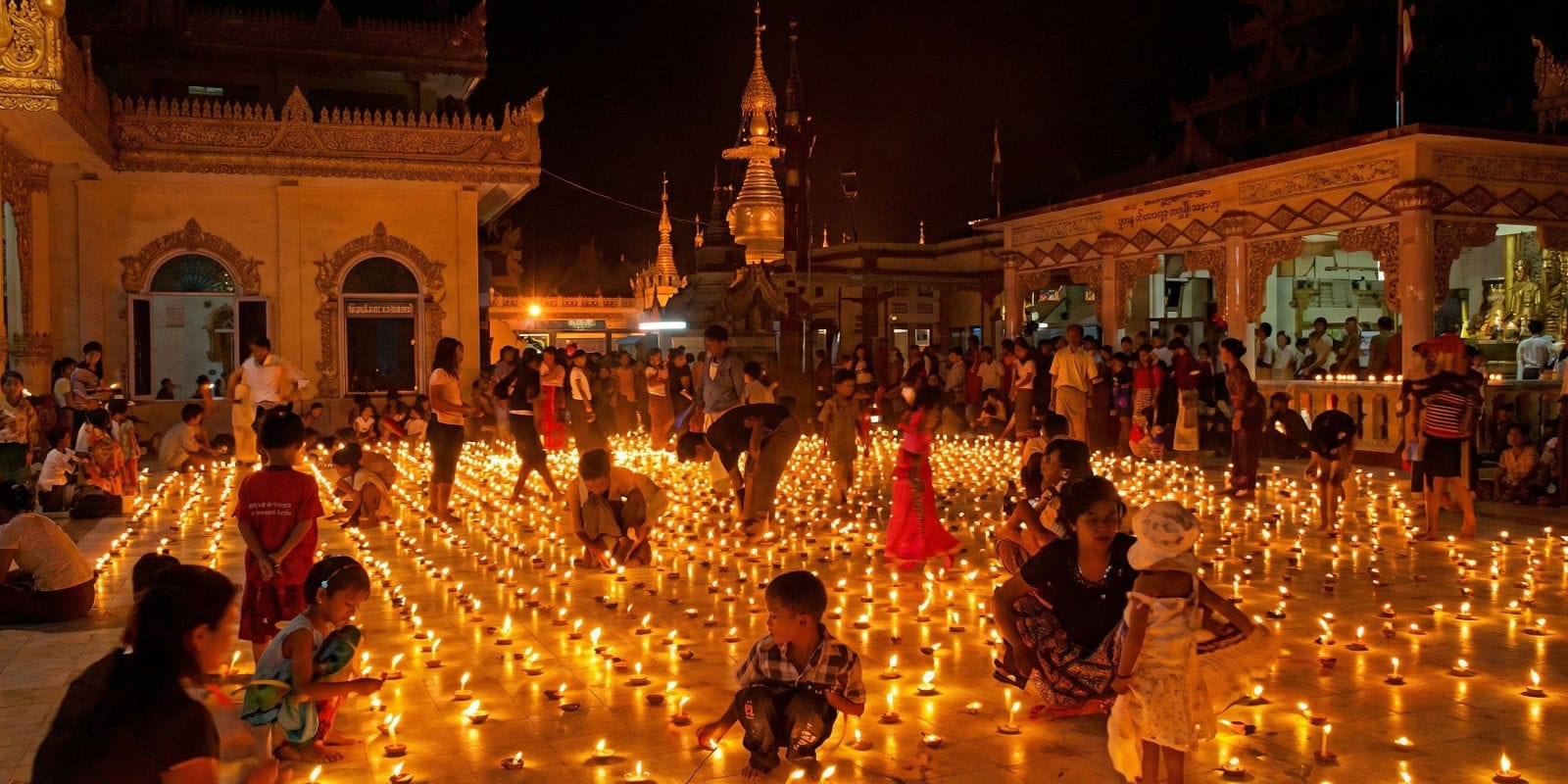
This month suits Myanmar, especially Bagan. Cooler air makes temple cycling and sunrise views more comfortable. October often aligns with Thadingyut, the Festival of Lights, when homes, pagodas, and streets glow with candles marking the end of Buddhist Lent.
Food feels warming and familiar. Curries, rice dishes, and simple sweets appear more often during festival days, shared at home and around temples.
Crowds remain low as peak season has not fully returned. The vibe feels peaceful and meaningful, making October a quiet but rewarding answer to the best time to visit Southeast Asia for travelers who value culture and space.
November
November feels lighter and more open. Rain fades across much of Southeast Asia, humidity drops, and days become comfortable for moving around again. It marks the return of easier travel.
This month works beautifully for Thailand, especially Sukhothai. November brings Loy Krathong, when rivers and lakes fill with floating lanterns and candles. The atmosphere is calm and reflective, with locals gathering quietly rather than celebrating loudly.
Food feels seasonal and comforting. Warm rice dishes, grilled snacks, and sweets tied to the festival appear everywhere, often eaten near water in the evenings.
Crowds begin to return, but they feel gentle and spread out. The vibe is peaceful and optimistic, making November a strong contender for the best time of year to visit Southeast Asia if you want good weather without peak season pressure.
December
December feels festive and easy. Dry weather returns across much of Southeast Asia, humidity drops, and days stay warm without feeling heavy. Moving between cities, beaches, and cultural sites feels smooth.
This month suits Indonesia, especially Yogyakarta. Cooler evenings make temple visits more comfortable, and cultural performances become more frequent. December also brings year-end celebrations, blending local traditions with a quieter holiday mood rather than large street festivals.
Food feels indulgent. Shared plates, grilled snacks, and sweet treats appear more often, especially in the evenings when the air cools down.
Crowds increase toward the end of the month as international travel peaks. The vibe feels social and upbeat, making December a popular answer to when is the best time to travel to Southeast Asia for travelers who enjoy lively streets and festive energy.
Getting Around and Staying Connected
Southeast Asia is easy to move through once you understand the rhythm. Still, border crossings, island hops, changing weather, and long travel days make reliable internet more important than it first appears. Outside major cities, you often rely on maps, transport updates, weather alerts, translations, and last-minute accommodation checks to keep plans moving smoothly.
This is why many travelers opt for a Southeast Asia eSIM instead of a physical SIM card. An eSIM Southeast Asia option activates digitally and works across countries, which suits multi-country routes and flexible itineraries. For travelers moving between islands, cities, and borders, Jetpac fits naturally into how travel actually works in the region.
Why Jetpac Makes Sense for Travel Across Southeast Asia?
🧭 Stay functional even after your data limit is reached
Core apps like Google Maps, WhatsApp, Uber, and Grab remain usable, so you can still find your way, communicate, and move around without panic.
📞 Reach people beyond chat apps
Make in-app calls using the Jetpac app to call local, landline, or non-WhatsApp numbers in more than 50 countries. Call packs begin at USD 1.99 for 5 minutes, which is useful when messaging is not enough.
📶 Use one plan across multiple devices
Share your connection with a laptop, tablet, or another traveler without any data restrictions.
💳 Know your costs upfront
Everything is prepaid, which removes the uncertainty of roaming bill shocks and keeps spending clear while crossing borders.
🌍 Travel wide without changing eSIMs
A single installation works across more than 200 destinations, making it practical for trips that include multiple Southeast Asian countries or onward travel.
📡 Maintain coverage while on the move
Jetpac automatically connects to available networks, helping you stay online in smaller towns, rural areas, and between islands.
⚡ Consistent speeds where networks allow
Access fast 4G or 5G when available, with smooth transitions when coverage drops or changes.
🔁 Flexibility if plans change
A straightforward refund option adds reassurance when choosing connectivity ahead of travel.
💬 Help whenever you need it
Support is available through WhatsApp and email at any hour, which matters when travel days stretch across time zones or plans shift suddenly.
FAQs
When is the best time to travel to Southeast Asia?
For most travelers, the best time to visit Southeast Asia is between November and February, when the weather is drier and temperatures feel comfortable. That said, the best month can vary depending on the country and the type of experience you want.
What is the best time of year to visit Southeast Asia overall?
December to February is generally the best time of year to visit Southeast Asia for comfortable weather, festivals, and easy travel. It is also the busiest period, so planning ahead is recommended.
Is there a bad time to travel to Southeast Asia?
There is no truly bad time to travel, but September can be challenging in some countries due to heavier rainfall. Even then, certain regions remain accessible and quieter, often with better prices.
Does the best time to visit Southeast Asia countries vary a lot?
Yes. The best time to visit Southeast Asia countries depends heavily on geography. Island weather can differ from mainland conditions, and east and west coasts often follow different rainfall patterns.
What is the best time to travel to Southeast Asia for budget travelers?
Late May, June, and September often offer fewer crowds and lower costs. The weather can be unpredictable, but travel tends to feel slower and more local during these months.
Do I need mobile data year-round when traveling in Southeast Asia?
Yes. Changing weather, transport schedules, and frequent border crossings make mobile data useful throughout the year. A Southeast Asia eSIM helps keep travel smooth, no matter when you go.
Disclaimer
Weather patterns, festivals, and travel conditions in Southeast Asia can vary by year, location, and local climate changes. The information shared here is based on general seasonal trends and publicly available sources. This content is for educational purposes only and does not guarantee specific conditions, availability, or experiences. Jetpac is not responsible for network variations, service availability, or changes made by local carriers or third-party providers. Travelers are encouraged to verify the latest information before planning or booking.