Top 15 Hidden Places to Visit in Israel Beyond Jerusalem
Discover lesser-known places to visit in Israel beyond Jerusalem, from quiet cities and nature spots to cultural landmarks, food, and travel tips.
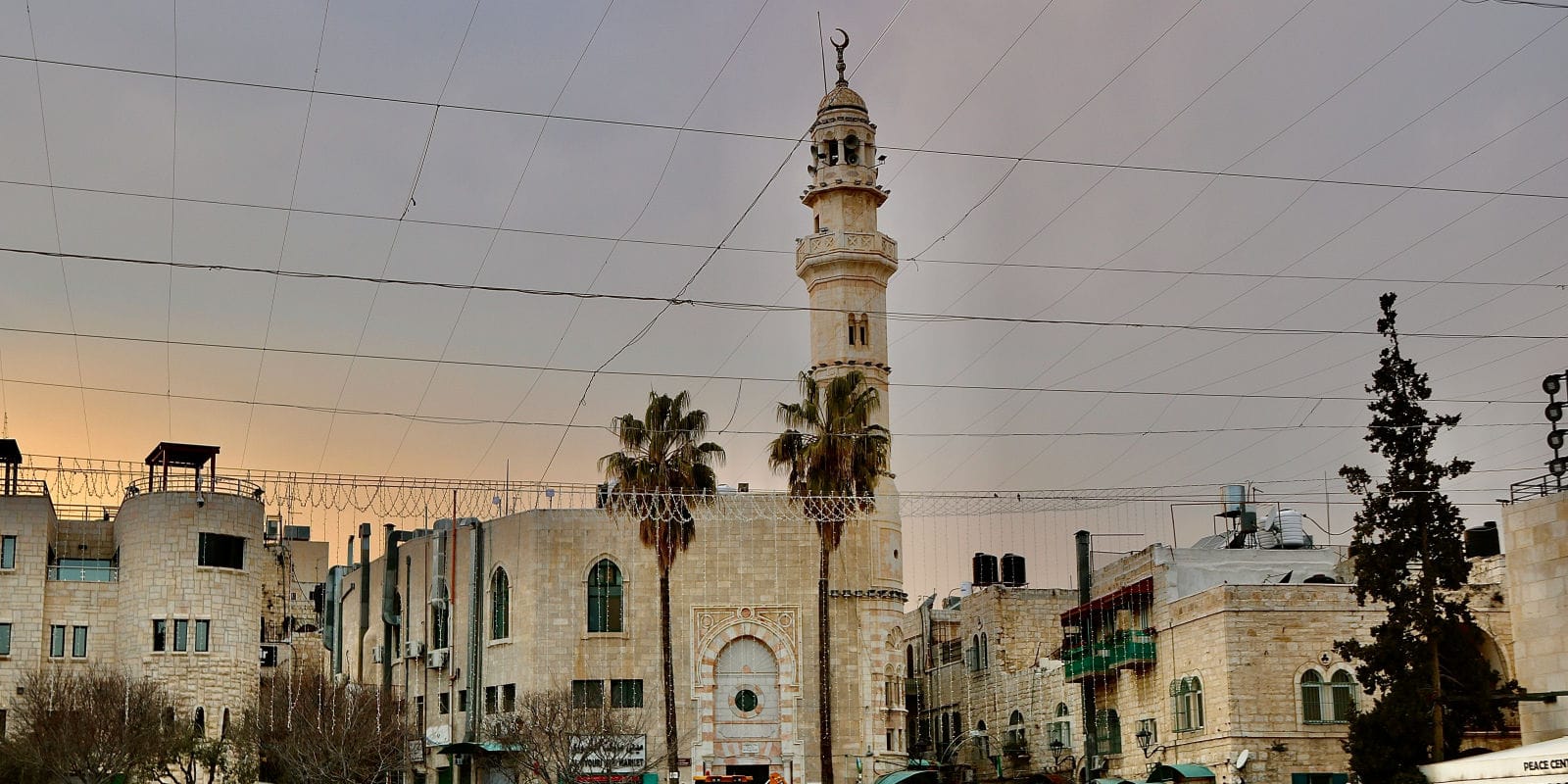
Israel offers far more than its famous sites. Beyond Jerusalem, quieter cities, desert landscapes, and historic towns reveal a slower, more personal side of the country. Exploring these lesser-known places to visit in Israel adds depth, variety, and local flavor to any trip.
Most trips to Israel start with the same names. Jerusalem, Tel Aviv, the Dead Sea. They are powerful, crowded, and unforgettable. But once you step away from those familiar stops, the country begins to feel quieter and more personal. Small towns, desert edges, ancient ruins, and coastal corners reveal a different rhythm. This is where some of the most rewarding places to visit in Israel quietly exist.
Israel is compact, which makes exploring beyond the usual routes surprisingly easy. In a single day, you can move from green valleys to desert cliffs, from Roman ruins to calm seaside streets. Many of these lesser-known spots sit just outside the biggest cities in Israel, yet they feel worlds apart from the main tourist flow.
This Blog focuses on hidden and often overlooked places in Israel to see beyond Jerusalem. Places with history, nature, and local life that add depth to your journey. And since navigation, transport apps, and translations matter when exploring quieter areas, having a reliable eSIM Israel helps keep things simple as you move around.
Important Landmark in Israel That Often Gets Missed
When people think of an important landmark in Israel, they usually picture Jerusalem’s most famous sites. What often gets missed is how much history sits quietly outside those well-known places. Across the country, there are ancient cities, trade hubs, and fortresses that played a key role in shaping the region but see far fewer visitors today.
These overlooked landmarks add depth to the usual places to visit in Israel. They show how empires moved through the land and how modern cities in Israel grew around much older foundations. Visiting them gives context to the better-known Israel main attractions and offers a calmer, more reflective experience.
Next are some hidden historical and cultural places in Israel that most travelers never add to their itinerary.
Hidden Historical and Cultural Places in Israel
These are places in Israel to see where history, food, and local life blend naturally. Each stop below keeps things simple, with what makes it important, what feels special on the ground, and when it’s best to go.
1. Beit She’an National Park
Once a major Roman city on ancient trade routes, Beit She’an stands out for its wide colonnaded streets, theater, and bathhouses spread across an open valley. The scale is impressive without feeling crowded. Nearby kibbutz cafés serve fresh salads, cheeses, and simple Galilee meals that suit the warm climate. Spring and autumn afternoons are best, when the heat eases, and the ruins glow in softer light.
2. Zippori National Park
Formerly the capital of Galilee, Zippori is known for its detailed Roman and Byzantine mosaics, including the famous Nile Mosaic. Olive trees and low hills give the site a calm, rural feel. Small villages nearby offer home-style food, warm bread, and olive oil-based dishes. Visit in the morning during spring for cooler paths and quieter exploration.
3. Beit Guvrin Caves
This underground complex was carved over centuries for storage, shelter, and industry, making it one of the most unusual historical sites in the country. Bell-shaped chambers stay cool even on hot days, with echoing acoustics and filtered light. The area is picnic-friendly, with simple roadside food nearby. Summer midday is ideal if you want relief from the heat.
4. Akko Old City backstreets
Beyond the busy port, Akko’s backstreets reveal a UNESCO-listed city shaped by Crusader and Ottoman rule. Stone alleys, hidden courtyards, and lived-in homes define the experience. Food here is a highlight, from hummus and fish stews to syrup-soaked pastries and strong Arabic coffee. Early morning or late afternoon offers the most local atmosphere in one of the oldest cities in Israel.
5. Safed Old Quarters beyond the main synagogues
Safed has long been a center of Jewish mysticism, but its quieter quarters show a softer side. Stone lanes climb the hillside past art studios, small cafés, and open views over the Galilee. The vibe is creative and reflective, with light meals and pastries served in relaxed spaces. Spring evenings or early summer are the most comfortable times to wander.
Together, these places add depth to the usual places to visit in Israel, offering history and culture without the crowds of the main Israeli attractions.
Nature and Landscapes Most Travelers Skip
These are quieter places to visit in Israel where the scenery speaks louder than crowds. Each spot offers a different rhythm, shaped by light, weather, and local habits.
6. Ein Gedi Upper Trails
Above the popular lower paths, the upper trails open to wide desert views and stillness. Springs cut through rock, ibex appear at dawn, and the air smells dry and clean. Simple snacks and dates from nearby stands are common. Visit early morning in spring or autumn to avoid the heat and catch soft light.
7. Ramon Crater viewpoints beyond the visitor center
Step away from the main platform, and the silence deepens. Layers of red and gold rock stretch to the horizon, with wind and birds as the only sound. Small desert cafés in Mitzpe Ramon serve strong coffee and light meals. Late afternoon is best, especially in winter and the shoulder seasons.
8. Ein Avdat
A narrow canyon shaped by water and time, Ein Avdat feels cool and shaded even on warm days. Pale cliffs rise above clear pools, and the walk is calm and focused. Bring water and simple food, as services are limited. Spring mornings are ideal, before the sun climbs.
9. Hula Valley lesser-known trails
Away from the main reserve paths, quiet trails pass reeds, fields, and bird-filled wetlands. Local farms sell fruit, cheeses, and easy lunches nearby. The vibe is slow and rural. Autumn migration season brings the most life, with cool air and long views.
10. Mount Arbel cliffs
High above the Sea of Galilee, the cliffs offer sweeping views and a sense of space. The trail mixes history and nature, with caves carved into rock faces. Nearby towns serve simple Galilean food, grilled meats, and fresh bread. Visit in spring or late afternoon to avoid midday heat.
These landscapes balance the historical places in Israel to see and show why the country’s nature is as compelling as its famous sites.
Cities in Israel That Feel Different From the Big Names
These cities in Israel sit outside the usual spotlight. They move at a slower pace and show everyday life beyond a major Israeli city like Tel Aviv.
11. Akko backstreets
Beyond the port, Akko feels lived in. Stone homes, laundry lines, and quiet courtyards reveal a city shaped by centuries of trade. Food is central here. Hummus, seafood stews, and sweet pastries define the rhythm. Early morning or late afternoon is best, when one of the oldest cities in Israel feels most local.
12. Nazareth village areas outside the basilica zone
Away from the main church complex, Nazareth feels residential and warm. Bakeries sell fresh bread and sweets, cafés fill with conversation, and daily life unfolds naturally. Spring and autumn bring mild weather and fewer visitors.
13. Tiberias old neighborhoods
Past the promenade, older streets show a quieter lakeside town. The Sea of Galilee shapes the mood, especially at sunset. Simple fish dishes and casual eateries dominate. Visit in spring or early summer for pleasant evenings.
14. Kiryat Shmona
Set near the northern border, Kiryat Shmona feels open and green. Markets are small, food is straightforward, and access to nearby trails makes it appealing for nature-focused travelers. Late spring offers cooler air and clear views.
15. Arad
Overlooking the Judean Desert, Arad has a calm, almost meditative atmosphere. The city is known for clean air and wide views. Cafés are modest, serving light meals and coffee. Winter and shoulder seasons are best for exploring without heat.
These places round out the usual places to visit in Israel, showing how the biggest cities in Israel contrast with quieter, more personal stops.
Best Time, Food, and Budget Tips for Visiting Israel
Best month to visit Israel
The most comfortable months are April to May and September to October. Days are warm without heavy heat, landscapes are green in spring, and walking in cities feels easier in autumn. These months suit both cities and outdoor sites.
Months to avoid visiting Israel
July and August can be very hot, especially in desert areas and inland cities. Crowds increase, and outdoor exploration becomes tiring. Major holidays can also bring closures and higher prices, so planning around them helps.
Best food to enjoy when in Israel
Food is central to daily life. Look for hummus and fresh pita, falafel, shawarma, sabich, and grilled fish along the coast. In the Galilee, expect olive oil-based dishes, cheeses, and seasonal vegetables. Markets offer the best way to taste variety in one stop.
Approximate budget
Budget traveler: USD 70 to 100 per day
Mid-range: USD 120 to 180 per day
Comfort travel: USD 200+ per day
Costs vary by city and season, with higher prices in major Israeli city centers and lower costs in smaller towns.
Getting Around and Staying Connected
Israel is compact, but once you move beyond the main routes, planning matters. Buses and trains cover the bigger corridors, while quieter places to visit in Israel are easier with a rental car. Signs switch between Hebrew, Arabic, and English, but navigation apps become essential when roads narrow, trailheads are unmarked, or cafés sit off the main streets.
This is where staying connected quietly improves the experience. Many travelers now choose an eSIM Israel option instead of a physical SIM. An Israel eSIM activates digitally and keeps maps, translations, transport updates, and local searches working as you move between regions. Jetpac is truly meant for travelers like you. Here is why:
Why Jetpac works so well for travel?
✅ Essential apps stay usable even when data runs out
WhatsApp chat, Google Maps, Grab, and Uber continue to work, so you can message, navigate, or book a ride without feeling stuck.
✅ In-app voice calling in more than 50 countries
Call hotels, taxis, or local businesses directly from the app, including landlines and non-WhatsApp numbers. Voice packs start at USD 1.99 for 5 minutes.
✅ Unlimited hotspot sharing
Share your connection freely with a laptop, tablet, or another phone. No caps, no extra charges, no hidden limits.
✅ No roaming bill shock
Transparent prepaid pricing with no surprise charges. Many travelers save up to 70% compared to traditional international roaming.
✅ One eSIM that works in more than 200 destinations
Install once and stay connected across countries without swapping SIMs or changing settings.
✅ Multi-network support for steady coverage
Automatically connects to the strongest available local network, which helps when moving between cities and quieter regions.
✅ Fast and reliable data
Access to 4G and 5G where available, with smooth fallback to strong 4G networks when needed.
✅ Simple money-back guarantee
A straightforward refund option that adds confidence when choosing Jetpac for travel.
✅ 24/7 WhatsApp and email support
Help is available anytime, which matters when you are traveling across time zones.
For travelers exploring beyond Israel's main attractions, Jetpac is a practical choice for an eSIM for Israel that keeps the journey smooth without extra steps.
FAQs
What are the best places to visit in Israel beyond Jerusalem?
Beyond Jerusalem, some of the best places to visit in Israel include quieter historical sites, desert landscapes, coastal towns, and lesser-known cities that show everyday local life away from crowds.
Are there important landmarks in Israel outside the main tourist areas?
Yes. Many important landmarks in Israel sit outside the busiest zones. These include ancient Roman cities, underground cave systems, old port towns, and desert fortresses that played key roles in regional history.
How many days are enough to explore places in Israel to see beyond the highlights?
A trip of 7 to 10 days allows time to balance the main attractions with quieter places in Israel to see, especially if you plan to visit multiple regions.
Are smaller cities in Israel worth visiting compared to major Israeli city hubs?
Yes. While a major Israeli city like Tel Aviv offers energy and nightlife, smaller cities in Israel often feel calmer and more personal. They provide insight into the daily culture that the biggest cities in Israel sometimes miss.
Is it easy to travel between cities in Israel?
Israel’s size makes it easy to move between regions. Most cities in Israel are a few hours apart, making day trips and short overnights practical even when exploring beyond the main routes.
Do I need mobile data when visiting lesser-known places in Israel?
Yes. When exploring beyond Israel's main attractions, mobile data helps with navigation, translations, and transport updates. Many travelers use an eSIM Israel option to stay connected without relying on public Wi-Fi.
Is an eSIM a good option for travel within Israel?
Using an eSIM in Israel is convenient for visitors who plan to move between cities and remote areas. The best eSIM for Israel offers stable coverage, easy activation, and reliable connectivity across regions.
Disclaimer
All information in this blog is based on publicly available sources and general travel experiences. Access, conditions, prices, and travel requirements may change due to local regulations, seasonal factors, or unforeseen circumstances. Budget estimates are rough mid-range averages and may vary by city and travel style. This content is for educational purposes only. Readers are advised to verify the latest travel advisories, local guidelines, and connectivity options before planning their trip. Jetpac is not responsible for changes in travel conditions, network availability, coverage, pricing, or third-party service updates.