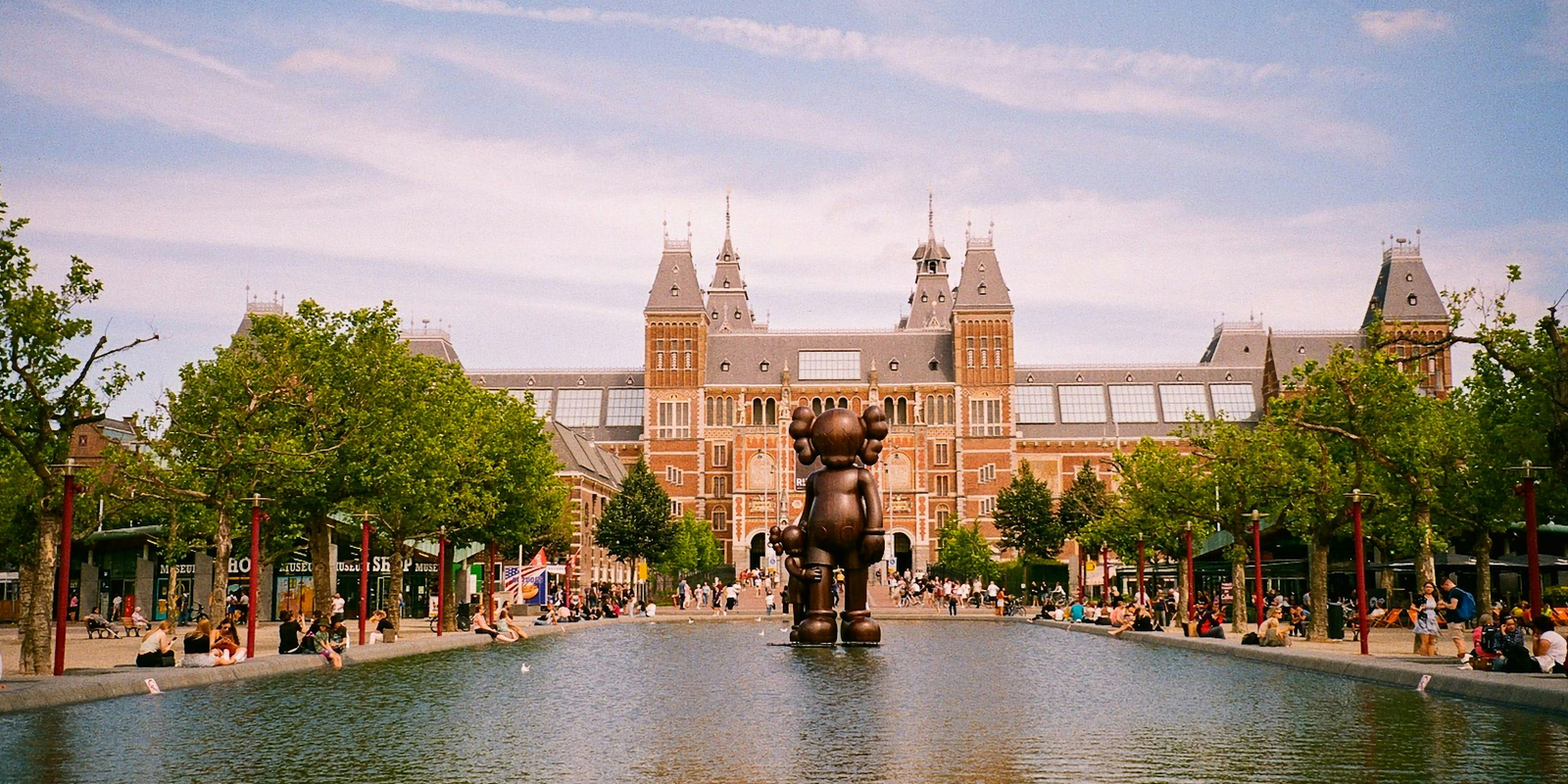
Top 17 Cheapest European Countries to Visit in 2026
Discover the cheapest European countries to visit in 2026 with low daily costs and great experiences, and keep your trip seamless using a Jetpac travel eSIM.
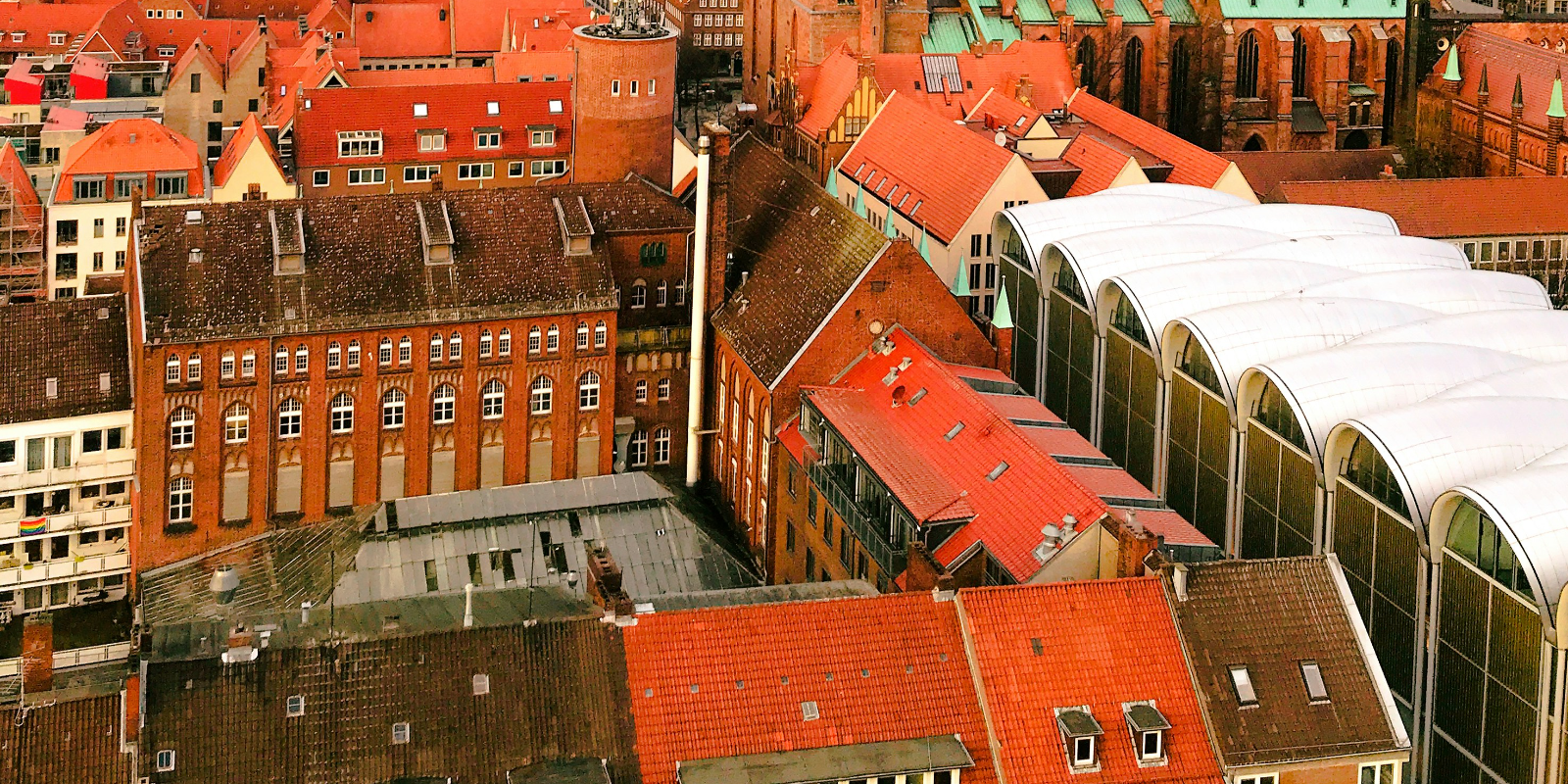
Traveling through the cheapest European countries to visit can make Europe feel far more accessible than many travelers expect. Places across the Balkans, Baltics, and Eastern Europe offer great food, reliable public transport, and memorable sights at everyday-friendly prices. These destinations work well for longer trips or for anyone trying to keep costs predictable. If you plan to cross multiple borders, using a Jetpac eSIM helps keep your data stable and affordable while you move between cities.
Travel costs have been rising worldwide, yet Europe continues to offer pockets of incredible value for travelers willing to look beyond the usual big-name capitals. For 2026, many of the cheapest European countries that people visit share similar advantages: favorable exchange rates, walkable and compact cities, reliable public transport, and a growing focus on locally driven experiences rather than high-priced tourist hotspots.
There are places to travel in Europe for cheap that offer far more than what you spend. These destinations offer genuine charm without forcing a shoestring lifestyle, letting you enjoy good food, comfortable stays, and memorable attractions at manageable costs.
Most travelers now rely heavily on strong data connectivity for maps, WhatsApp, transport apps, and mobile tickets. That is why many choose a Jetpac eSIM during travel across various countries, keeping essentials accessible without depending on hotel WiFi or unpredictable roaming costs.
Listed below are the top cheapest European countries to visit in 2026:
EASTERN EUROPE: Best Value for History, Food & Walkable Cities
Eastern Europe remains one of the top cheap places to travel in Europe, offering rich culture, meaningful history, and generally lower daily expenses than Western Europe.
1. Poland
Poland offers medieval charm, meaningful history, and lively cities at prices still lower than many Western European destinations. Cities such as Kraków, Gdańsk, and Wrocław feel vibrant yet approachable, with architecture that looks straight out of a storybook. Meals tend to be filling and reasonably priced, public transport is efficient, and museum entry fees are often budget-friendly. These factors have made Poland one of the cheapest European countries to visit.
Daily budget: Approximately $40-$75.
Why it is affordable: Inexpensive public transport, low-cost meals, and budget-friendly attractions.
Best for: Culture lovers, first-time travelers to Europe, and solo travelers.
Money-saving tip: Visit “milk bars” (bar mleczny), where traditional meals usually cost around $5–$7.
2. Romania
Romania blends medieval towns, dramatic landscapes, castles, and folklore-rich villages without the high costs seen in Western capitals. Bucharest mixes modern energy with old-world beauty, while Transylvania offers forested hills, historic fortresses, and peaceful villages. Entry fees and transport tend to remain reasonable, making Romania one of the cheapest places in Europe to travel while still offering distinct cultural depth.
Daily budget: Typically $30-$70.
Why it is affordable: Modest accommodation prices, inexpensive food, and low-cost intercity travel.
Best for: Hikers, photographers, and history lovers.
Money-saving tip: Take advantage of free museum days, which many institutions offer monthly.
3. Bulgaria
Bulgaria combines beaches, mountains, monasteries, and modern cities at some of the lowest prices in Europe. Sofia offers historic churches and lively cafés, while the Black Sea coast provides warm-water beaches without Mediterranean-level prices. Winter travelers appreciate ski resorts like Bansko, often cited as one of the top cheap places to travel in Europe for skiing.
Daily budget: Around $25-$60.
Why it is affordable: Well-priced meals, budget hotels, and inexpensive transport.
Best for: Beach lovers, hikers, cultural explorers.
Money-saving tip: Travel in June or September for shoulder-season pricing and pleasant weather.
4. Hungary
Hungary, particularly Budapest, offers thermal baths, impressive architecture, and generous portion sizes at approachable prices. Beyond the capital, Hungary’s wine regions and small towns tend to be even more affordable. Because day-to-day expenses remain moderate, Hungary continues to rank among the places to travel in Europe for cheap while still feeling polished and atmospheric.
Daily budget: Estimated $35-$65.
Why it is affordable: Low metro fares, inexpensive local dining, and good-value attractions.
Best for: Culture seekers, couples, wellness lovers.
Money-saving tip: Purchase multi-visit bath passes instead of single entries.
THE BALTICS: Clean, Safe & Surprisingly Affordable
The Baltic nations offer a balance of nature, culture, and compact city layouts, making them strong contenders among the cheapest European countries to visit.
5. Lithuania
Lithuania blends baroque architecture with creative neighborhoods and relaxed cafés. Vilnius Old Town is packed with hidden courtyards, churches, and artistic spaces. The country stays budget-friendly even in peak seasons, making it one of the best and cheapest places to visit in Northern Europe for travelers who care about value.
Daily budget: Around $40-$70.
Why it is affordable: Low-cost dining, budget transport, and places like Vilnius Old Town.
Best for: Solo travelers, digital nomads, architecture lovers.
Money-saving tip: Local taverns offer hearty meals for roughly $5–$7.
6. Latvia
Latvia offers calm beaches, forests, lakes, and a capital city known for Art Nouveau architecture. Riga feels polished yet accessible, with affordable cafés and public transport. Travelers who enjoy slower-paced destinations find Latvia to be one of the cheapest places to travel in Europe that still feels refined.
Daily budget: Generally $40-$75.
Why it is affordable: Low intercity travel costs, moderate hotel prices.
Best for: City wanderers, café hoppers, long weekends.
Money-saving tip: Many museums offer combination passes for better value.
7. Estonia
Tallinn’s medieval Old Town, digital infrastructure, and clean layout make Estonia ideal for travelers who want a balance of old and new. Though slightly pricier than neighboring Baltic countries, Estonia is still among the cheapest European countries to visit when planned well.
Daily budget: Approximately $45-$80.
Why it is affordable: Affordable bus routes, low museum fees, and free outdoor attractions.
Best for: Remote workers, architecture fans, slow travelers.
Money-saving tip: Take off-peak ferries for cheaper island trips.
THE BALKANS: Stunning Nature at the Lowest Prices in Europe
Some of the best places to visit in Europe for budget-conscious travelers lie in the Balkans.
8. Albania
The Albanian Riviera offers turquoise water and coastal towns reminiscent of Greece, but at far lower prices. Fresh food, free beaches, scenic towns, and mountain villages make Albania a highlight among cheap places to travel in Europe.
Daily budget: Estimated $30-$60.
Why it is affordable: Free beaches, cheap dining, and low-cost buses.
Best for: Beach travelers, backpackers, and road trip lovers.
Money-saving tip: Use local furgons instead of taxis.
9. Montenegro
Montenegro delivers fjord-like bays, lively beach towns, and dramatic national parks with budget-friendly pricing. While some coastal spots draw cruise crowds, costs remain lower than in Croatia. This makes Montenegro a strong competitor among the top cheap places to travel in Europe.
Daily budget: Around $40-$80.
Why it is affordable: Affordable guesthouses, budget meals, and cheap buses.
Best for: Nature lovers, couples, photographers.
Money-saving tip: Stay just outside Kotor for better rates.
10. North Macedonia
With serene lakes, monasteries, mountain trails, and hearty cuisine, North Macedonia is often mentioned among the cheapest European countries to visit. Lake Ohrid in particular feels like a Mediterranean getaway at a fraction of the cost.
Daily budget: Approximately $25-$55.
Why it is affordable: Cheap meals, low hotel prices, and free outdoor attractions.
Best for: Relaxed vacations, families, history lovers.
Money-saving tip: Local tavce gravce meals cost roughly $4.
11. Serbia
Serbia offers lively nightlife, riverside cafés, and rich history at appealing prices. Belgrade and Novi Sad both deliver strong cultural experiences without high costs, making Serbia a consistent entry in cheap places in Europe to travel lists.
Daily budget: Typically $30-$65.
Why it is affordable: Well-priced meals, inexpensive buses, and budget museums.
Best for: Nightlife fans, culture lovers, and food travelers.
Money-saving tip: Weekly or monthly bus passes help long-stay visitors save.
CENTRAL EUROPE: Big Cities With Reasonable Price Tags
Some Central European locations still offer solid value and appear often in lists of cheap places to travel in Europe.
12. Czech Republic
While Prague has become more expensive, the rest of the country offers excellent value. Cities like Brno and Olomouc offer historic streets and relaxed cafés for travel without big-city pricing. This is why the Czech Republic is one of the cheapest European countries to visit in 2026.
Daily budget: Estimated $50-$70.
Why it is affordable: Good-value food, efficient transport.
Best for: Architecture lovers, beer enthusiasts, and weekend trips.
Money-saving tip: Buses often cost less than trains for intercity travel.
13. Slovakia
Slovakia’s mountain scenery, castles, and compact capital make it another strong contender among places to travel in Europe for cheap. The High Tatras offer Alpine scenery without Alpine prices.
Daily budget: Typically $35-$65.
Why it is affordable: Low hotel prices, cheap nature access.
Best for: Hikers, nature lovers, and budget city breaks.
Money-saving tip: Base yourself in Poprad for easy access to the mountains.
SOUTHERN EUROPE: Sunshine Without Overspending
Southern Europe still contains some of the best and cheapest places to visit despite rising tourism.
14. Portugal
Portugal offers warm weather, beaches, castles, and wine regions at comparatively accessible prices. Even as Lisbon becomes popular, cities like Porto and Braga remain strong value picks.
Daily budget: Around $55-$85.
Why it is affordable: Cheap bakeries, budget long-distance buses.
Best for: Foodies, culture travelers, digital nomads.
Money-saving tip: Eat at pastelarias for low-cost meals.
15. Spain
Spain can be expensive in major hubs, but many regions remain remarkably affordable. Valencia, Granada, and Seville offer strong culture, beautiful neighborhoods, and tapas at friendly prices.
Daily budget: Typically $50-$90.
Why it is affordable: Budget tapas, inexpensive trains, moderate museum pricing.
Best for: Culture lovers, warm-weather vacations.
Money-saving tip: Order menu del día lunches for roughly $12-$15.
THE CAUCASUS REGION: Europe-Adjacent & Extremely Affordable
These destinations sit just outside the European Union but are often included in discussions of cheap places to travel in Europe due to strong value and accessibility.
16. Georgia
Georgia offers mountain towns, wine regions, ancient monasteries, and warm hospitality at excellent prices. Tbilisi mixes old architecture with modern cafés and co-working spaces, while Batumi offers a seaside vibe.
Daily budget: Approximately $30-$60.
Why it is affordable: Low-cost meals, budget taxis, inexpensive guesthouses.
Best for: Adventure lovers, food and wine travelers.
Money-saving tip: Marshrutka vans often cost only $1-$4 for intercity travel.
17. Turkey (European Side)
Turkey blends European and Middle Eastern influences and is consistently named among the cheapest European countries to visit for cultural variety. Istanbul offers markets, mosques, and waterfront areas, while the western coast adds beaches and ruins.
Daily budget: Estimated $35-$75.
Why it is affordable: Cheap meals, budget ferries, and affordable accommodation.
Best for: Culture travelers, food lovers, and coastal trips.
Money-saving tip: Lokanta restaurants offer homemade meals for about $4-$6.
Quick Money-Saving Tips for Europe 2026
Here are practical ways to stretch your budget while exploring some of the best places to visit in Europe on a budget:
Fly midweek for fares that can be significantly lower
Use buses or trains instead of domestic flights.
Eat where locals eat, not in the main squares
Stay in guesthouses or family-run pensions
Walk whenever possible; old towns are compact and scenic.
Read More:
If lowering trip costs is a priority, this blog breaks down practical global strategies.
👉 Read our blog: How to Save Money While Traveling Without Sacrificing Fun
Staying Connected While Country-Hopping in Europe
Travel across several countries in one trip means relying heavily on your phone for maps, reservations, bank access, messaging, and translation. Switching SIM cards constantly is inconvenient, and roaming from US carriers can quickly become expensive. Many travelers now use an international eSIM so they can stay connected from the moment they land.
Jetpac: Simple, Predictable Connectivity for European Travel
Jetpac helps travelers stay organized and online during multi-country trips through Europe’s most budget-friendly destinations.
Jetpac eSIM works across more than 200 destinations, allowing you to activate it once and use it across borders without hunting for SIM card shops. Jetpac switches between strong local networks automatically, helping you maintain signal during long drives, day trips, or city exploration. Pricing is fully prepaid and can be up to 70% cheaper than standard roaming, which helps keep your overall travel budget under control. You can share your hotspot without restrictions, and essential apps like WhatsApp chat, Uber, and Google Maps remain active even when your main data gets low. Support is available 24/7 through WhatsApp or email, and Jetpac also offers outgoing voice calls in more than 50 countries over 5G, starting at $1.99 for five minutes.
Jetpac makes multi-country European trips easier by keeping your digital essentials available whenever you need them.
FAQs
Which country is the absolute cheapest in Europe to visit in 2026?
Romania, Albania, and North Macedonia typically offer some of the lowest combined costs for food, stays, and activities, making them strong value picks among the cheapest European countries to visit.
What is the cheapest way to go to Europe from the USA?
Midweek flights and flexible dates usually offer the lowest fares. Flying to major hubs like Lisbon, Dublin, Madrid, or Warsaw often reduces ticket prices, and connecting flights are frequently cheaper than nonstop ones.
Which cheap places to travel in Europe are best for first-timers?
Poland, Portugal, Hungary, and Spain are easy to navigate and packed with memorable experiences, making them great choices for first-time visitors.
How much should I budget per week in these countries?
Budget travelers typically spend $250-$500 per week, while mid-range travelers spend $500-$900, depending on their itinerary.
Will my phone work in Europe if I use an international eSIM?
Yes. Most modern smartphones support eSIMs, and an international eSIM like Jetpac allows you to stay connected across borders without high roaming costs.
Are these destinations busy in the summer?
Southern Europe is busiest in July and August, while Eastern Europe and the Balkans remain more manageable even during peak season.
Are these destinations safe for solo female travelers?
Many regions listed here, including Portugal, Poland, Hungary, the Baltics, and the Balkans, are considered safe for women, but standard travel precautions still apply.
Disclaimer:
All prices, travel costs, daily budgets, and value rankings in this blog are approximate and based on typical ranges at the time of writing. Actual costs may vary depending on inflation, exchange rates, seasons, and local updates. Please verify live prices before booking. Jetpac is not responsible for changes or discrepancies that occur after publication.