Top 20 Fun Facts About Mexico: Hidden Gems, Culture & Nature
Planning a trip to Mexico? Check out these fun facts about Mexico! You might be surprised at just how fascinating the country is!
Planning a trip to Mexico? Check out these fun facts about Mexico! You might be surprised at just how fascinating the country is!
Mexico is a country that sparks the imagination with its vibrant traditions, breathtaking landscapes, and rich history dating back thousands of years. From colorful fiestas and world-famous cuisine to ancient ruins and natural wonders, there’s so much more to discover beyond the familiar beaches and resorts.
If you’re visiting Mexico for the first time or have been there several times, learning some fun facts can help you understand more about its culture, history, and nature.
Here are 20 fascinating tidbits to know before you go.
Quick facts about Mexico
Official Name: United Mexican States
Population: 130.7 million
Area: ~ 1,943,945 square kilometers
Capital City: Mexico City (Ciudad de México)
Major Languages: Spanish
Major Religions: Christianity
Time Zones: UTC-6
20 Surprising Fun Facts About Mexico
1. 35 UNESCO World Heritage Sites
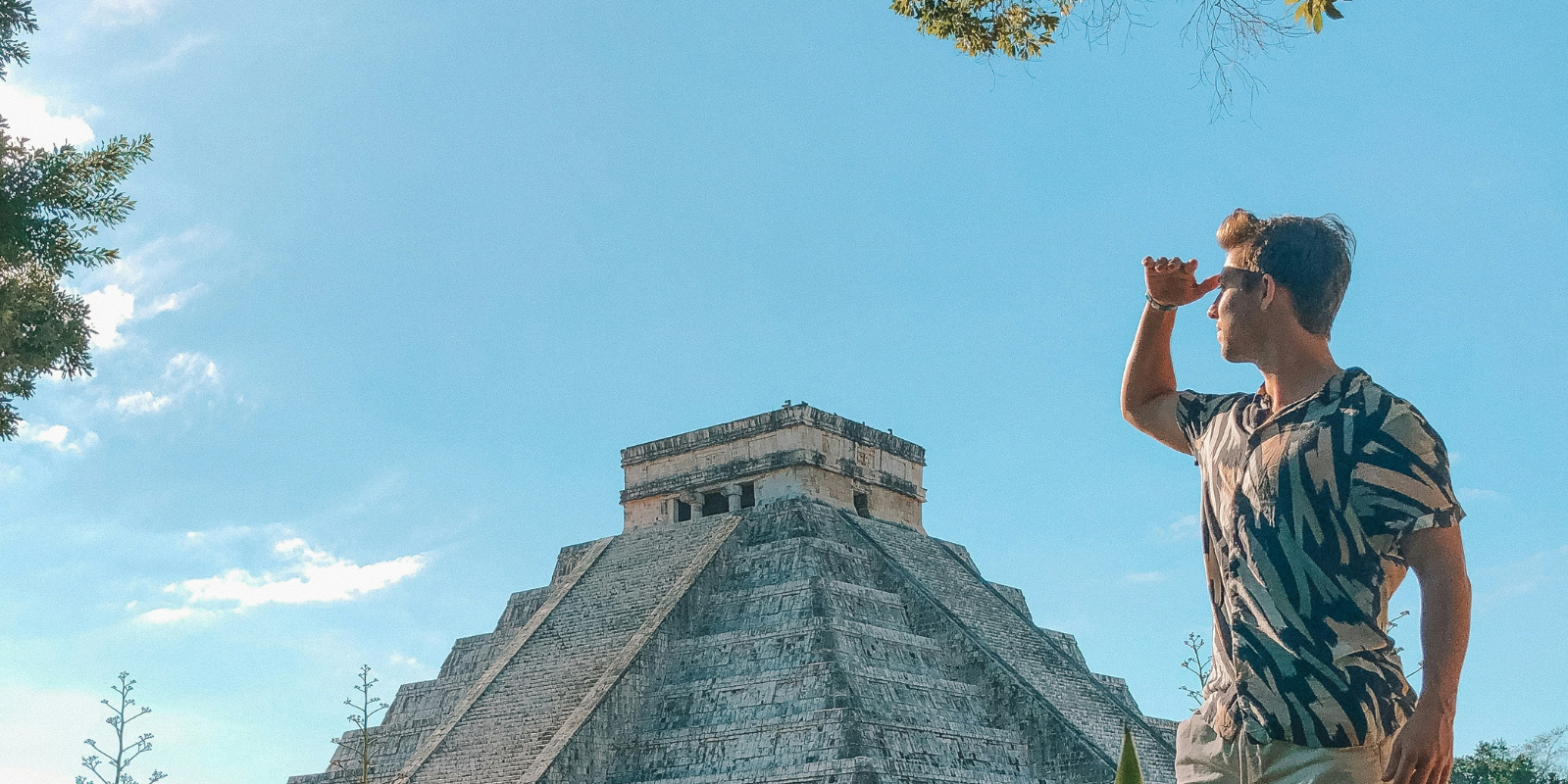
Mexico has over 30 UNESCO World Heritage Sites. Because of this, it’s considered one of the top countries in the world for cultural and natural treasures. These include ancient cities like Teotihuacán and Chichén Itzá, where you can see the remains of powerful civilizations.
Historic towns such as Oaxaca and Guanajuato are also recognized for their colonial architecture and traditions. On the natural side, places like the Monarch Butterfly Biosphere Reserve and Sian Ka’an showcase Mexico’s incredible biodiversity. These sites highlight the country’s rich history, culture, and environment.
2. Birthplace of Chocolate
If you love chocolate, Mexico is the place for you! It’s the birthplace of chocolate, and that’s one of the fun facts about Mexico that many people might not know, even those with a sweet tooth!
The Maya and Aztecs were the first to produce chocolate by grinding cacao beans and mixing them with spices and water to create a rich, bitter drink. Unlike the sweet chocolate we enjoy today, their version was often flavored with chili peppers or vanilla and was considered a sacred, energizing beverage.
3. World’s Smallest Volcano
Mexico is home to what many call the world’s smallest volcano. Located in Puebla, Cuexcomate stands only about 13 meters (43 feet) tall. It's so small that it looks more like a hill than a volcano.
What makes it even more fascinating is that you can actually go inside it by walking down a spiral staircase. Although Cuexcomate is considered an inactive geyser rather than a true volcano, locals proudly refer to it as the “smallest volcano in the world,” and it has become a quirky attraction for visitors to Puebla.
4. Nativity Scenes
Since Christianity is the main religion in Mexico, most people celebrate Christmas. One of the fun facts about Christmas in Mexico is the tradition of setting up nacimientos, or nativity scenes, rather than focusing mainly on Christmas trees. These displays often go far beyond the Holy Family and the manger.
Families add animals, plants, and even figures that represent local life, like farmers, bakers, or musicians. In some homes, the nativity scenes can fill an entire room and are carefully arranged piece by piece throughout the season.
5. Largest Pyramid by Volume
The Great Pyramid of Cholula in Puebla holds the title of the largest pyramid in the world by volume, even bigger than Egypt’s Great Pyramid of Giza. Unlike the sharp stone structures most people picture when they think of pyramids, Cholula resembles a massive hill covered in grass and trees.
On top of it sits a Spanish colonial church, the Iglesia de Nuestra Señora de los Remedios, built in the 16th century. Much of the pyramid remains buried, but archaeologists have uncovered tunnels inside that reveal its true size and the layers of construction added over centuries by different civilizations.
6. Day of the Dead
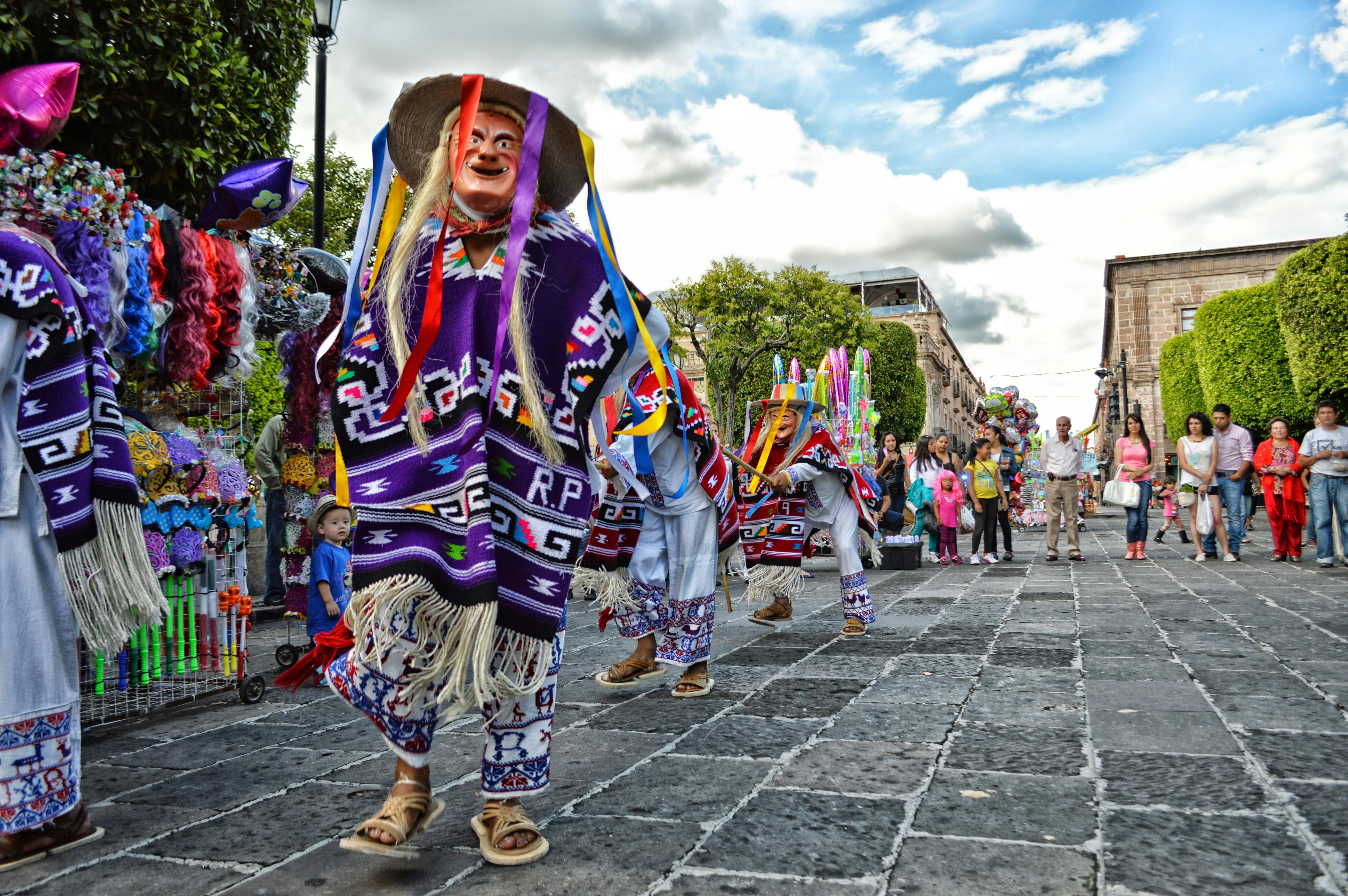
Día de los Muertos, or Day of the Dead, is one of Mexico’s most colorful and meaningful celebrations. Held every year on November 1st and 2nd, it honors loved ones who have passed away, but it’s not a sad occasion. It’s one of those fun facts about Mexican culture that many consider unique.
Families create ofrendas (altars) decorated with photos, candles, marigold flowers, and favorite foods of the deceased to welcome their spirits back for a short visit. The holiday also includes music, dancing, and parades with people wearing skull makeup and vibrant costumes. Having a Jetpac eSIM Mexico makes it easy to stay online while witnessing Día de los Muertos, which comes in handy when navigating parades or sharing your favorite moments with friends and family.
7. Birthplace of Color TV
Guillermo González Camarena, a Mexican engineer and inventor, created one of the first color television systems in the 1940s in his twenties. His invention, known as the “chromoscopic adapter for television equipment,” allowed black-and-white TVs to display color images.
In 1946, he even received a U.S. patent for his system, and not long after, Mexico broadcast some of the world’s earliest color TV programs. His work laid the foundation for the technology that later became the standard worldwide.
8. Chihuahuas Come from Mexico
One of the cutest fun facts about Mexico for kids is that the Chihuahua dog breed comes from the Mexican state of the same name. These tiny pups are among the smallest dogs in the world, usually weighing only a few pounds.
But don’t let their size fool you! Chihuahuas are famous for their bold and lively personalities. They’re loyal, protective, and full of energy, which makes them a favorite pet for many families around the world.
9. Traditional drinks are unique
One of the fun facts about Mexican food is that the country has a variety of traditional drinks you won’t find everywhere else. Horchata is a refreshing sweet drink made from rice, cinnamon, and sugar, often served cold alongside tacos or tamales.
Atole, on the other hand, is a warm, thick drink made with corn dough, milk, and spices, usually enjoyed during breakfast or festive occasions like Día de los Muertos. These drinks show just how important corn and local ingredients are in everyday Mexican cuisine.
10. Volcanoes and Earthquakes
Mexico lies along the Pacific Ring of Fire, a massive horseshoe-shaped zone known for its intense volcanic and earthquake activity. Because of this, the country has over 40 active volcanoes, including Popocatépetl, one of the most famous and most closely monitored. Nicknamed “El Popo,” it sits just outside Mexico City and often releases puffs of smoke and ash into the sky.
Mexico also experiences regular earthquakes, ranging from small tremors to powerful quakes felt across entire regions. While this seismic activity can be dangerous, it’s also responsible for shaping much of Mexico’s dramatic landscape, from towering mountains to fertile volcanic soil that supports farming. It’s no wonder this makes the list of fascinating fun facts about Mexico.
11. Tacos are Centuries Old
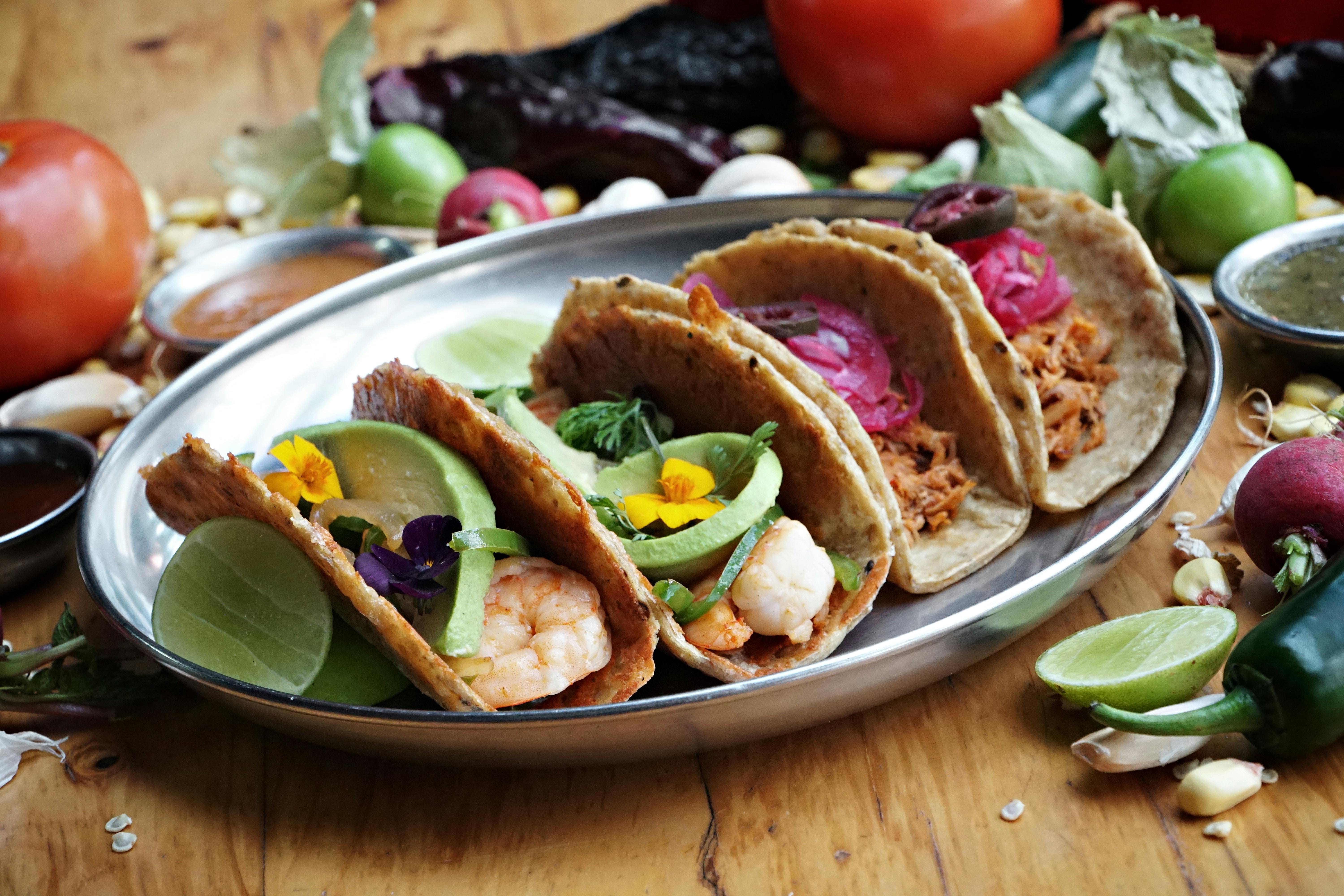
Wanna know some fun facts about Mexican food? Tacos have been enjoyed in Mexico for hundreds of years, with roots dating back to Indigenous traditions long before the Spanish arrived!
Mexico used corn tortillas to scoop up fish, beans, and other local foods. Over time, tacos spread across the country, and every region created its own version, from tacos al pastor in Mexico City to fish tacos in Baja California. Nowadays, tacos are one of Mexico’s best-known dishes around the world.
12. Piñatas Are from Mexico
One of the coolest fun facts about Mexico for kids is that piñatas started here. A piñata is a colorful container, usually shaped like an animal or star, that’s filled with candy and small toys.
At parties, kids take turns hitting the piñata with a stick until it breaks open and everything spills out. Today, piñatas are popular all over the world, but their roots come from Mexico’s festive traditions.
13. Monarch Butterflies
The yearly migration of millions of monarch butterflies is one of those fun facts about Mexico that many visitors find truly amazing. Every winter, these butterflies travel thousands of miles from Canada and the United States to the forests of central Mexico.
Because of the migration, the trees turn bright orange and black as the butterflies cover the branches, creating a magical sight that attracts visitors from around the world. It’s one of nature’s most incredible journeys and a special part of Mexico’s natural wonders.
14. Largest Spanish-Speaking Nation
Mexico is the largest Spanish-speaking country in the world, with more than 126 million people using the language every day. In fact, it has more native Spanish speakers than Spain itself.
While Spanish is the main language, Mexico is also home to dozens of Indigenous languages, including Nahuatl, Maya, Mixtec, and Zapotec, which are still spoken in many regions today.
15. Longest Border
Mexico shares the longest border with the United States, stretching over 3,100 kilometers (about 1,950 miles). It runs from the Pacific Ocean in the west to the Gulf of Mexico in the east, crossing deserts, rivers, and mountains along the way.
The Mexico-US Border is one of the most frequently crossed in the world, with millions of people traveling between the two countries every year.
16. Floating Gardens
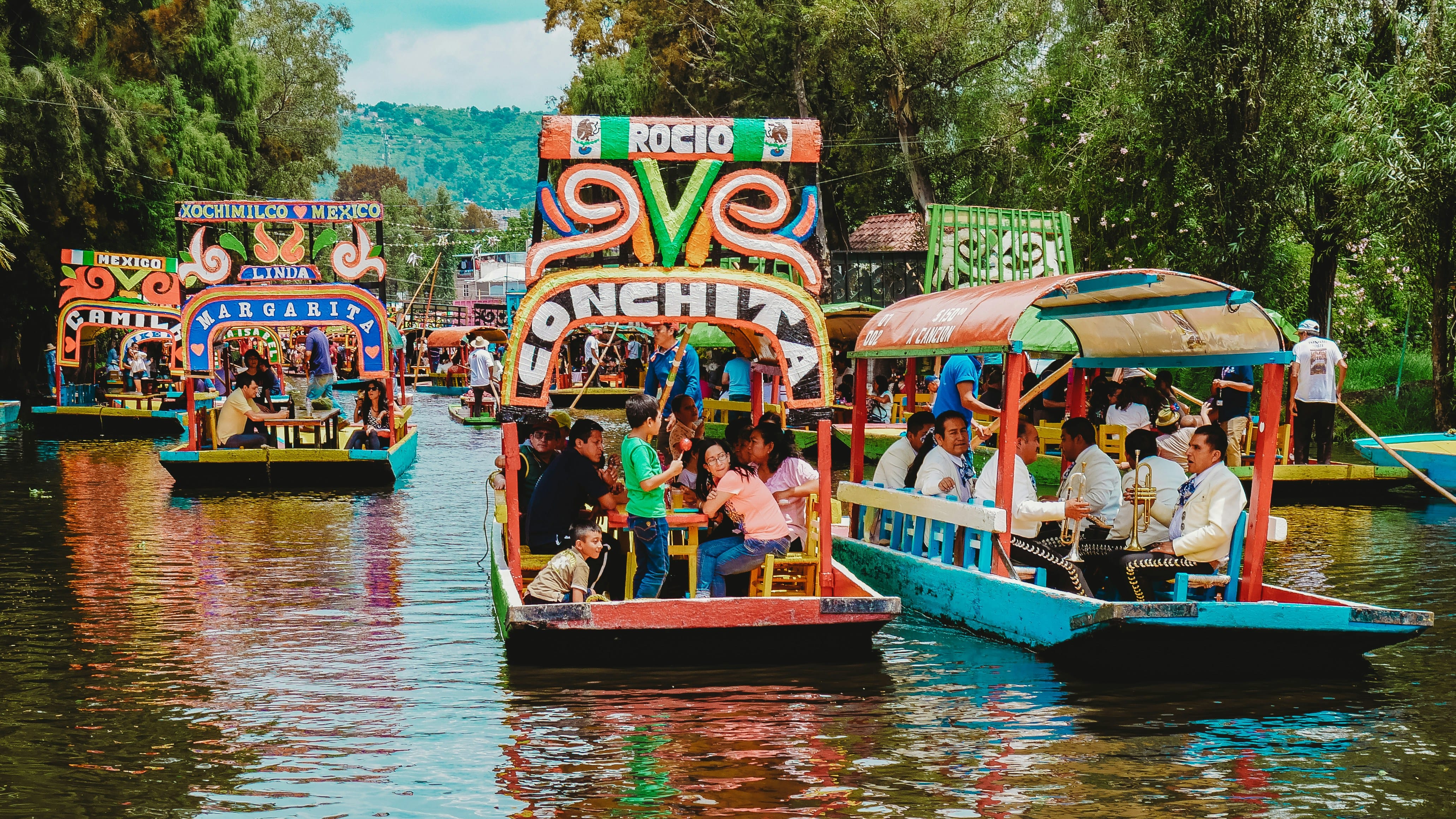
Xochimilco, located in the southern part of Mexico City, is famous for its network of ancient canals that date back to the Aztec era. These canals are part of a pre-Hispanic agricultural system known as chinampas, or “floating gardens,” which allowed crops to be grown on small, man-made islands.
Today, visitors can ride on brightly painted wooden boats called trajineras, which glide through the canals while mariachi bands play, vendors sell food, and families celebrate special occasions. It’s like a floating fiesta and a living piece of history, as Xochimilco is recognized as a UNESCO World Heritage Site.
17. Soccer Passion
Soccer, or fútbol as it’s called in Mexico, is the country’s most beloved sport. From local matches in small towns to packed stadiums in major cities, the energy and excitement around the game are everywhere.
Mexico has hosted the FIFA World Cup twice and will do so again in 2026, making it the first country to host the tournament three times. For many Mexicans, soccer isn’t just a sport. Rather, it’s part of daily life and a source of national pride.
18. Las Posadas
Christmas is a big celebration in Mexico, and one of the most unique and fun facts about Christmas in Mexico is the tradition of Las Posadas. Held from December 16th to 24th, it reenacts Mary and Joseph’s search for shelter before the birth of Jesus.
Families and neighbors walk in processions, sing carols, and stop at houses along the way until they are finally welcomed inside. Each night ends with food, piñatas, and music, making Las Posadas a joyful way to bring communities together during the holiday season.
19. Mexican walking fish
The axolotl, often called the Mexican walking fish, is one of the country’s most unique creatures. Despite its nickname, it’s not a fish but a type of salamander that spends its whole life in water.
What makes the axolotl special is that it can regrow parts of its body, like limbs and even parts of its heart and brain. Once found widely in lakes around Mexico City, axolotls are now endangered, but they remain a fascinating symbol of Mexico’s incredible biodiversity.
20. Family is very important
Perhaps one of the most heartwarming of all fun facts about Mexican culture is the importance of family. In Mexico, gatherings are often big and lively, with grandparents, parents, children, and even extended relatives all coming together.
These family reunions typically involve a lot of food, music, and conversation, transforming a simple meal into a full celebration. Family bonds are highly valued in the country, and spending time together is considered one of the most important aspects of daily life.

Make every fact a reality: travel smarter with Jetpac eSIM
If you are traveling to Mexico, staying connected is easy, thanks to Jetpac eSIM for Mexico. You don’t need to look for a local SIM card or pay high roaming fees. An eSIM lets you set up data on your phone right away and use it anywhere you go, whether you are strolling around Mexico City, venturing into small towns, or heading to the beach!
With Jetpac eSIM Mexico, you can use maps, book rides, and stay in touch with family and friends back home. It’s simple, fast, and works the moment you land.
Get your Jetpac eSIM for Mexico today and enjoy a smoother, more enjoyable adventure in the land of tacos and tequilas!
FAQs
What is Mexico most known for?
Mexico is most known for its rich culture, ancient civilizations, and world-famous cuisine. From the Aztec and Maya pyramids to traditions like Día de los Muertos, and foods such as tacos, mole, and tequila, Mexico’s heritage is recognized worldwide. It’s also famous for its vibrant music and art, beautiful beaches, and natural wonders like cenotes and volcanoes.
What are some fun facts about Mexico?
Mexico is full of surprises! It’s home to the world’s smallest volcano (Cuexcomate in Puebla) and the largest pyramid by volume (the Great Pyramid of Cholula). It’s also where chocolate, corn, and popcorn were first created, and the only place in the world you’ll find the adorable axolotl, also known as the “Mexican walking fish.” On top of that, millions of monarch butterflies migrate to central Mexico each year, turning the forests into a sea of orange and black.
Is Mexico City bigger than New York City?
Yes, Mexico City is bigger than New York City in terms of population. The metropolitan area of Mexico City has over 21 million people, making it one of the largest urban areas in the world, while New York City’s metro area has around 19 million. However, New York covers a larger land area, so Mexico City feels much denser and more crowded.
What is Mexico's national animal?
Mexico’s national animal is the golden eagle, which also appears on the country’s flag and coat of arms. This bird holds deep cultural significance, as it comes from an Aztec legend in which the gods told the Aztecs to build their city where they saw an eagle perched on a cactus eating a snake, a vision that led to the founding of Tenochtitlán, now Mexico City.
What is Mexico's famous food?
Mexico is world-famous for its tacos, a versatile dish made with soft corn tortillas filled with meats, vegetables, and flavorful toppings. Other iconic foods include tamales, enchiladas, and mole (a rich, spiced sauce often served over chicken). Mexican cuisine is so unique and influential that UNESCO declared it an Intangible Cultural Heritage of Humanity.
How old is Mexico now?
Mexico became an independent nation in 1810, when the fight for independence from Spain began, and its freedom was officially recognized in 1821. That means Mexico is 214 years old in 2025 if counted from the start of the independence movement.
What is the oldest city in Mexico?
The oldest city in Mexico is Cholula, located in the state of Puebla. It has been continuously inhabited for over 2,500 years and is famous for having the world’s largest pyramid by volume, the Great Pyramid of Cholula, hidden beneath a hill topped by a colonial church. While Cholula holds the title for age, Mexico City (built on the ruins of the Aztec capital Tenochtitlán) is also one of the oldest major cities in the Americas.
What is the most popular Mexican drink?
The most popular Mexican drink is Tequila, made from the blue agave plant and enjoyed around the world as both a sipping spirit and the base of cocktails like margaritas. But if we’re talking about everyday favorites, horchata (a sweet rice-based drink with cinnamon) and atole (a warm corn-based drink) are beloved traditional choices. Mexico also has mezcal, tequila’s smoky cousin, which has been gaining popularity internationally.
Is it worth visiting Las Coloradas?
Yes, if you’re looking for something unique, Las Coloradas is worth a visit. The striking pink lakes, caused by salt, algae, and plankton, create an unforgettable backdrop for photos. However, it’s good to know that swimming in the lakes isn’t allowed, and the area is relatively remote with limited facilities. Most travelers pair a trip to Las Coloradas with nearby attractions like Río Lagartos, famous for its flamingos and boat tours.