When is the Best Time to Visit Jamaica: 2025 Travel Guide
Planning a trip to Jamaica but not sure when to go? Read this blog to discover when is the best time to visit Jamaica in 2025 and make the most of your tropical getaway.
Planning a trip to Jamaica but not sure when to go? Read this blog to discover when is the best time to visit Jamaica in 2025 and make the most of your tropical getaway.
Dreaming of turquoise waters, reggae rhythms, and endless sunshine? If Jamaica’s calling your name, timing your trip just right can make your island getaway even more amazing. Knowing the best time to visit Jamaica helps you make the most of your tropical escape, whether you’re visiting for the beach, local festivals, or laid-back vibes.
In this 2025 travel guide, we’ll break down the seasons, weather, and events so you can decide when is the best time to visit Jamaica for you. From the best time to visit for good weather to a month-by-month guide, here’s everything you need to plan the perfect Caribbean vacation.
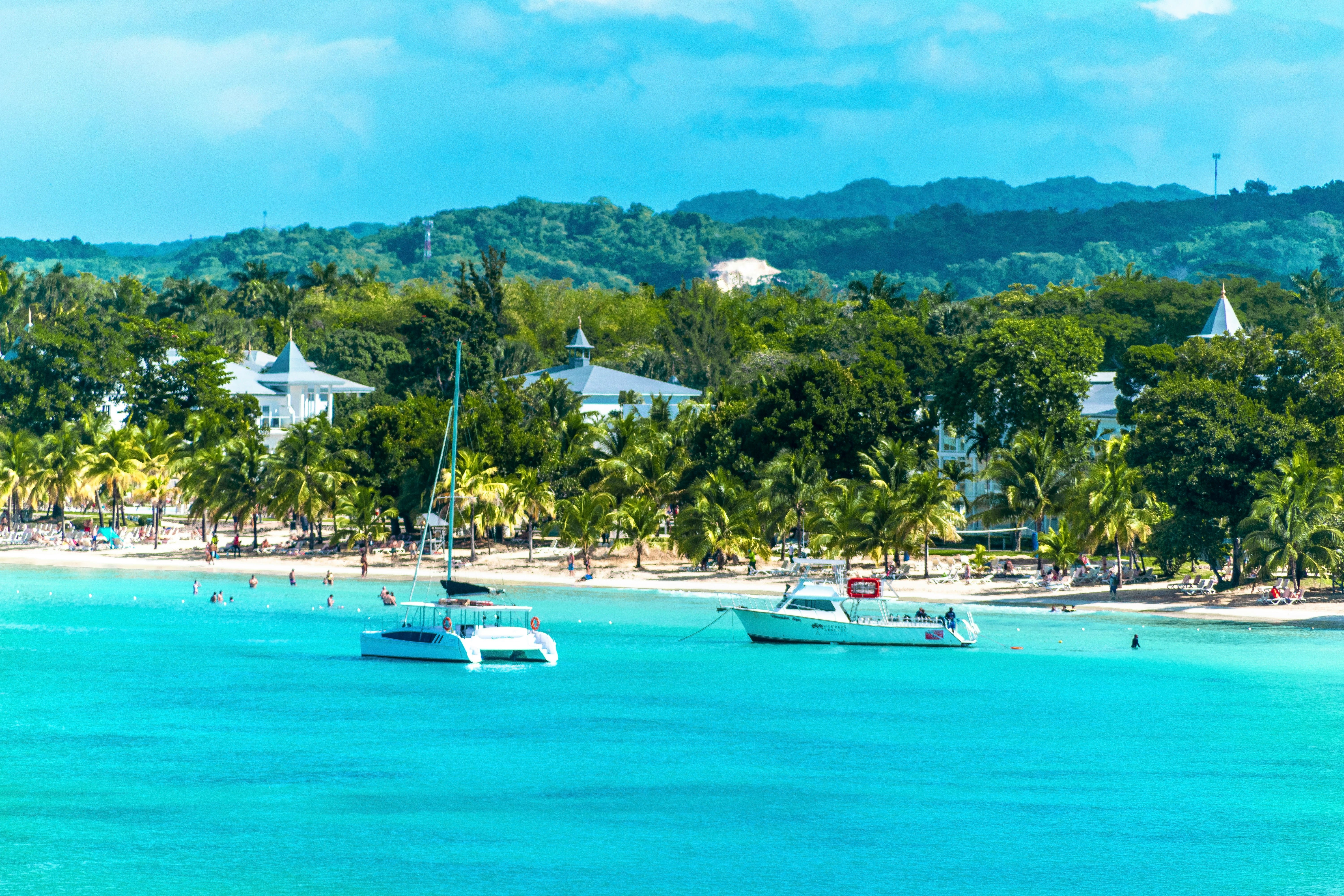
Photo by Tom Podmore on Unsplash
The Best Time to Visit Jamaica (2025)
The best time to travel to Jamaica in 2025 is generally from December to April, when the island has warm, sunny weather and clear skies. It’s the perfect time for lounging at the beach, snorkeling, and sightseeing. This is Jamaica’s peak travel season, so expect livelier resorts, vibrant festivals, and slightly higher prices.
If you prefer fewer crowds and better deals, consider visiting during the shoulder months of May and November. The weather is still pleasant, with occasional rain showers, but you’ll get a more relaxed vibe. Meanwhile, the hurricane season (June to October) brings more humidity and rain, though it’s also when you’ll find the lowest rates and lush, green landscapes.
Jamaica Weather at a Glance
Jamaica enjoys warm, tropical weather all year, but the best time of year to visit Jamaica really depends on what you’re after. The dry season runs from mid-December to mid-April. Expect plenty of sunshine and pleasant temperatures, making it the best time to visit Jamaica for weather and beach activities.
The rainy season typically falls between May and November, with brief afternoon showers that cool things off. Within this period, June to October is also the hurricane season. The high season (mid-December to mid-April) draws the biggest crowds and highest prices. Meanwhile, the shoulder season (July to October) and low season (mid-April to June and November to mid-December) offer quieter getaways and better deals.
Best Time to Visit Jamaica for Good Weather
If sunshine and clear skies are at the top of your list, the best time to visit Jamaica for weather is from December to April. During these months, you’ll enjoy warm days, gentle breezes, and very little rain. You can relax on some of the best beaches in Jamaica, go snorkeling, or explore the island’s waterfalls.
So, when is the best time to visit Jamaica? For most travelers, it’s the dry season, when humidity is lower and the sea is calm and inviting. Whether you’re planning a romantic getaway or a fun family trip, this period offers the ideal mix of sunshine and comfort for your tropical adventure.
Best Time to Visit Jamaica for Smaller Crowds
If you’d rather skip the crowds and enjoy a more relaxed vibe, the best time of year to visit Jamaica for smaller crowds is during the shoulder and low seasons. This is from mid-April to early June and again from November to mid-December. During these months, the beaches are quieter, attractions are less busy, and you can often score great deals on hotels and tours.
The weather is still warm and pleasant, with only occasional rain showers, so you won’t be missing out on that island sunshine. It’s the perfect time to experience Jamaica’s laid-back charm without the hustle and bustle of peak travel season.
Photo by Rock Staar on Unsplash
Best Time to Visit Jamaica for Lower Prices
Looking to enjoy paradise without stretching your budget? The best time to travel to Jamaica for lower prices is during the off-season, from mid-April to early June and September to early December. During these months, you’ll find discounted hotel rates, cheaper flights, and great deals on excursions and activities.
While this period falls outside the peak tourist season, the weather is still warm and tropical, with a few more rain showers here and there. If you don’t mind a little unpredictability, you can soak up all the beauty of Jamaica while saving money on your Caribbean getaway.
Best Time to Visit Jamaica for Carnival
If you’re after non-stop music, color, and high-energy fun, plan your trip around Jamaica Carnival, held every year in April. It’s one of the island’s most exciting celebrations, filled with street parades, soca music, costumes, and dancing that lasts for days. Visiting during this time lets you experience the island’s vibrant culture and party spirit at its best.
April also falls within the dry season, so you’ll enjoy great weather along with the festivities. It’s easy to see why Jamaica is one of the best Caribbean islands to visit, especially when Carnival transforms the streets into a celebration of rhythm, unity, and pure joy.
Worst Time to Visit Jamaica
While Jamaica is a year-round destination, the worst time to visit Jamaica is generally during the peak of the hurricane season, from August to October. During these months, the island experiences higher humidity, frequent rain showers, and the occasional tropical storm, which can affect travel plans and outdoor activities.
That said, if your goal is to relax on the best beaches in Jamaica, you’ll still find warm weather and sunny breaks between showers. Just be prepared for unpredictable conditions and consider travel insurance in case of weather-related disruptions.
Regional Weather Snapshot
Jamaica’s weather stays warm and tropical throughout the year, but conditions can vary slightly depending on where you go.
Jamaica is made up of several distinct regions, each offering its own charm and experiences. For most travelers, the highlights are the lively resorts of Montego Bay, the laid-back beaches of Negril, and the bustling, culture-rich capital of Kingston.
Here’s a quick look at what to expect across the island.
Montego Bay
Located on Jamaica’s northwestern coast, Montego Bay enjoys sunshine almost year-round, making it a favorite for beach lovers and resort-goers. The average temperature hovers around 26–30°C (79–86°F), with the dry season from December to April offering the clearest skies and calm seas. This period is considered the best time to visit Jamaica Montego Bay, especially if you’re planning to swim, snorkel, or explore the area’s luxury resorts and golf courses.
From May to November, the region experiences its rainy season, though showers are usually brief and followed by sunshine. While it’s also hurricane season, direct hits are rare. This time of year offers fewer crowds and lower prices, making it a good choice for budget-conscious travelers who don’t mind a little rain.
Negril
Known for its famous Seven Mile Beach, Negril boasts some of the most stunning sunsets in the Caribbean. The Negril Jamaica weather is typically warm and breezy, averaging around 27°C (81°F) year-round. The dry season (from December to April) is the best time to visit Jamaica Negril, when you can expect plenty of sunshine, calm turquoise waters, and ideal beach conditions.
During the rainy months (May to November), brief tropical showers bring lush greenery and fewer tourists, giving the town a peaceful, relaxed feel. Even then, most days still have plenty of sun. Whether you visit during peak or off-peak months, Negril’s laid-back charm and natural beauty make it a timeless Jamaican favorite.
Kingston
Located on Jamaica’s southeastern coast, Kingston experiences slightly warmer and drier weather compared to the northern resort areas. Temperatures often range between 28–32°C (82–90°F). The dry season from December to April brings the most comfortable conditions for sightseeing, visiting museums, and exploring the city’s vibrant cultural scene.
From May to November, Kingston sees more humidity and scattered showers, but rainfall usually comes in short bursts. If you visit during this time, mornings are often sunny. You can shop around local markets or head into the nearby Blue Mountains. Kingston’s weather may be a bit hotter than the coast, but it perfectly complements the city’s energetic, tropical vibe.
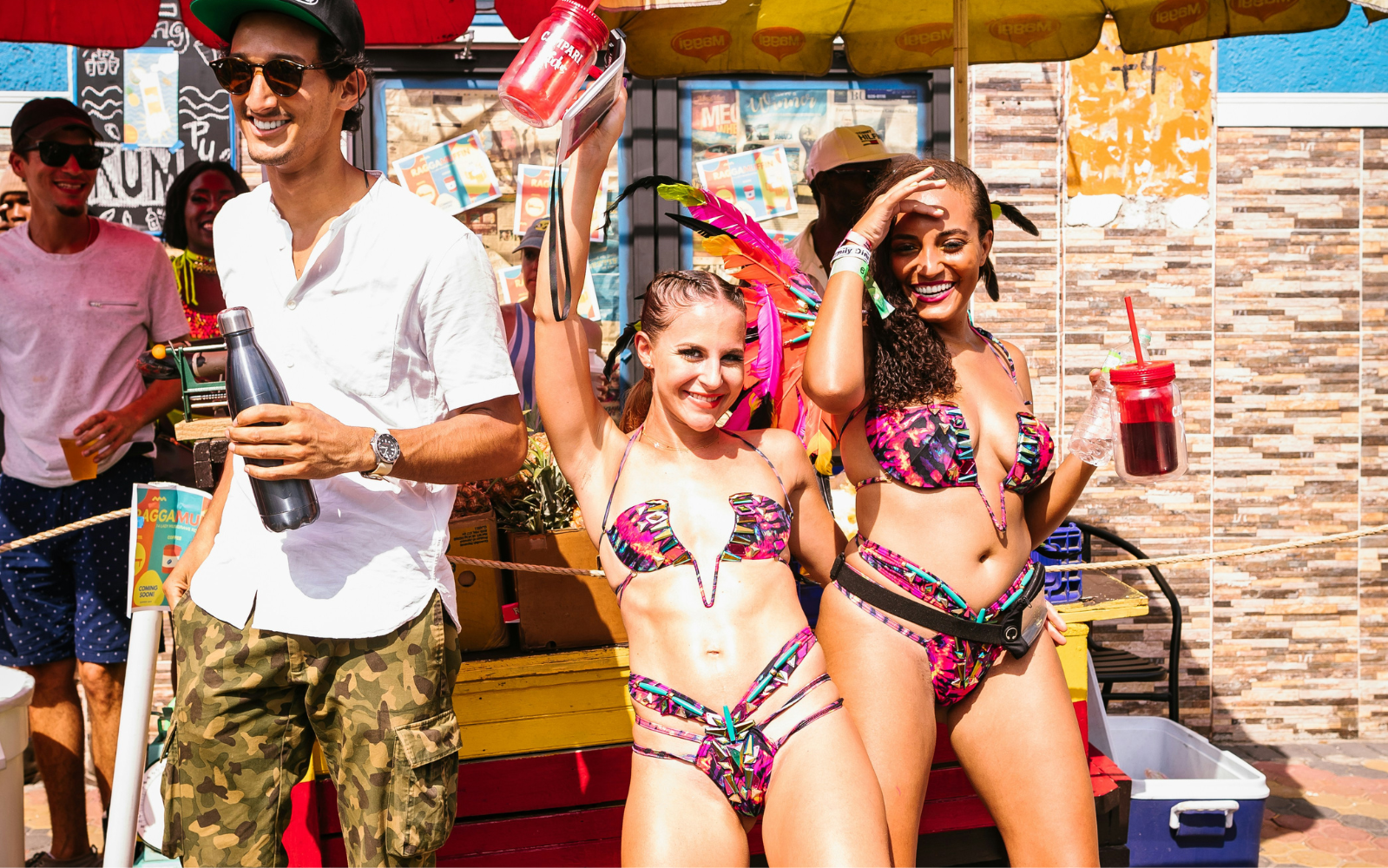
Photo by Rock Staar on Unsplash
Month-by-Month Guide (January–December)
Here’s what to expect throughout the year in Jamaica:
|
Month |
Wheather |
Crowds |
Key Events & Travel Notes |
|
January |
Warm and dry, around 26°C (79°F) |
High–peak season |
Ideal beach weather and lively resorts. It's a great time to enjoy the best beaches in Jamaica. |
|
February |
Sunny and pleasant |
High |
One of the best times of year to visit Jamaica for good weather; perfect for snorkeling and water sports. |
|
March |
Hotter, little rain |
High |
Easter celebrations and spring break bring a festive atmosphere. |
|
April |
Warm with light showers |
Moderate |
When is the best time to visit Jamaica? Many say April for great weather and Carnival season. |
|
May |
Start of rainy season, brief showers |
Moderate |
Lush scenery begins to bloom; it is still warm and beautiful for sightseeing. |
|
June |
Warm and humid, start of hurricane season |
Moderate |
Quieter beaches, good hotel deals; plan for occasional rain. |
|
July |
Hot and humid |
Moderate–Low |
Emancipation and Independence Day celebrations fill the month with culture and music. |
|
August |
Rainy, possible storms |
Low |
Fewer tourists and lower prices; still good for exploring if you don’t mind short showers. |
|
September |
Warm, wetter month |
Low |
Least crowded time of year; peaceful if you’re seeking solitude on Jamaica’s coasts. |
|
October |
Rainy with risk of storms |
Low |
Not ideal for beaches, but good discounts and cultural experiences await. |
|
November |
Drier temperatures are easing |
Moderate |
Start of the travel rebound; perfect balance of mild weather and fewer crowds. |
|
December |
Sunny, festive, and dry |
High |
Peak season returns! Enjoy Christmas events and some of the best beaches in Jamaica under clear skies. |
Tip: Overall, the best time of year to visit Jamaica is from December to April, when the weather is at its finest, beaches are at their best, and the island is alive with events and tropical energy.
Events & Festivals Calendar (What’s On in 2025)
One of the best times to travel to Jamaica is when the island comes alive with music, culture, and food-filled celebrations. Jamaica’s calendar is packed with vibrant festivals that showcase its rich heritage and infectious energy.
Here are some of the events and festivals to watch out for:
Bob Marley Week (February)
Held every February to celebrate the reggae legend’s birthday, this week-long event in Kingston features concerts, exhibitions, and community gatherings honoring Bob Marley’s legacy. It’s the perfect time to experience Jamaica’s soulful side and its deep musical roots.
Jamaica Carnival (April)
If you’re after energy, color, and pure joy, don’t miss Jamaica Carnival. The streets light up with soca music, glittering costumes, and lively parades. It’s one of the most exciting and festive times to visit, blending Caribbean culture with nonstop fun.
Reggae Sumfest (July)
Known as the “Greatest Reggae Show on Earth,” Reggae Sumfest takes place in Montego Bay every July. This multi-day festival attracts international visitors and top Jamaican artists, filling the nights with world-class performances and authentic island vibes.
Jamaica Food & Drink Festival (October)
Foodies, take note! October brings the Jamaica Food & Drink Festival, where top local chefs and mixologists serve up creative Caribbean dishes and cocktails. It’s a flavorful celebration of Jamaica’s culinary talent.
Restaurant Week (November)
To cap off the year, Restaurant Week invites travelers to taste the best of Jamaica’s dining scene with special menus and discounts at top restaurants across Kingston, Montego Bay, and Ocho Rios.
Tips to know Before Visiting Jamaica
Here are a few practical tips to help you make the most of your trip:
Book in Advance During Peak Season - The dry months (December to April) are the busiest, so reserve your accommodation and tours early to get the best rates and spots.
Bring Cash and Cards - Credit cards are widely accepted in hotels and restaurants, but it’s smart to carry some Jamaican dollars for taxis, local shops, and markets.
Stay Connected with an eSIM – Skip the hassle of buying a local SIM card at the airport by setting up a Jamaica eSIM before you go. It’s the easiest way to stay online for maps, messaging, and bookings. For a reliable option, choose the Jetpac eSIM for Jamaica, which guarantees solid coverage across popular destinations like Montego Bay, Negril, and Kingston.
Pack for Warm Weather – Lightweight clothes, sunscreen, and a hat are essentials. Don’t forget a light rain jacket if you’re visiting during the wetter months (May to November).
Respect Local Culture – Jamaicans are warm and welcoming, but politeness and greetings go a long way. A simple “Good morning” or “Respect” is always appreciated.
Stay Safe and Aware – Stick to well-known tourist areas, use licensed taxis or trusted ride-share apps, and keep valuables secure.
Stay Connected in Paradise: Travel with Jetpac eSIM in Jamaica
Stay online effortlessly on your Jamaican adventure by getting a Jetpac eSIM Jamaica. Considered the best esim for Jamaica, Jetpac is designed for seamless travel connectivity across the Caribbean. With their regional coverage, you’ll enjoy full coverage without the scramble of finding a local SIM. Jetpac supports data-only plans that let you browse, chat, map, and stream across Montego Bay, Negril, Kingston, and beyond.
What makes Jetpac really stand out are the extra perks and flexibility. For instance, they have the SmartDelay lounge access. If your flight is delayed by 60 minutes or more, Jetpac provides complimentary access to airport lounges, a welcome escape when travel hiccups happen!
Indeed, Jetpac eSIM is a strong choice for travelers seeking a modern, hassle-free data solution in Jamaica.
FAQs
What are the best and worst months to visit Jamaica?
The best months to visit Jamaica are from December to April, when the weather is warm, dry, and perfect for beach days, sightseeing, and outdoor adventures. On the other hand, the worst months to visit are generally August to October, which mark the peak of the hurricane season. During this time, the island experiences higher humidity, heavier rainfall, and the occasional storm, which can disrupt travel plans. However, if you don’t mind a bit of rain, these off-season months also come with fewer crowds and lower prices.
What is the cheapest time of year to go to Jamaica?
The cheapest time of year to go to Jamaica is during the off-season, which runs from mid-April to early June and from September to early December. During these months, you’ll find lower airfare, discounted hotel rates, and special travel deals as tourism slows down. While there may be a few rain showers, the weather is warm and pleasant, making it a great time to enjoy Jamaica’s beaches and attractions without the high-season crowds or prices.
What month is hurricane season in Jamaica?
The hurricane season in Jamaica runs from June to November, with the highest risk of storms typically between August and October. During these months, the island can experience increased rainfall, humidity, and the occasional tropical storm or hurricane. While direct hits are rare, it’s a good idea to keep an eye on weather updates and consider travel insurance if you’re visiting during this period.
How much money should you take to Jamaica for 4 days?
For a 4-day trip to Jamaica, you’ll likely need around US$600 to US$1,000 per person for a comfortable mid-range stay, covering meals, local transport, activities, and accommodation. Budget travelers could spend closer to US$250 to $400, while those opting for luxury resorts and private excursions might spend US$1,200 or more. It’s a good idea to carry a mix of cash and cards, as smaller shops and taxis often prefer cash in Jamaican dollars.
Do you need a passport for Jamaica?
Yes, you need a valid passport to travel to Jamaica. Your passport must be valid for at least six months beyond your intended departure date. Travelers from most countries, including the U.S., Canada, and the U.K., also need to show proof of a return or onward ticket. However, no visa is required for short tourist visits (usually up to 90 days) for citizens of many countries. Always double-check entry requirements before your trip, as they can vary depending on your nationality.
Which is the hottest month in Jamaica?
The hottest month in Jamaica is usually July, when daytime temperatures often reach around 32°C (90°F) or higher, especially in coastal areas like Montego Bay and Negril. The heat is accompanied by high humidity, so it can feel even warmer. If you’re visiting in July, pack light clothing, stay hydrated, and plan outdoor activities for the mornings or late afternoons when it’s cooler.
What can I bring back from Jamaica to the USA?
When traveling back to the U.S. from Jamaica, you can bring home favorites like Blue Mountain Coffee, Jamaican rum, jerk seasoning, spices, and local crafts or souvenirs, all of which make great gifts or keepsakes. Just remember that fresh fruits, vegetables, plants, and meats are not allowed due to U.S. customs regulations. You can also bring up to 1 liter of alcohol and 200 cigarettes duty-free per adult. Always declare your purchases at customs and keep receipts handy to ensure a smooth return.
What’s the best time for adventure?
The best time for adventure in Jamaica is during the dry season from mid-December to mid-April. The weather is warm, sunny, and perfect for outdoor activities like zip-lining through the rainforest, hiking the Blue Mountains, river rafting on the Martha Brae, and snorkeling at the best beaches in Jamaica. The seas are calm, trails are dry, and visibility for diving is excellent. If you prefer fewer crowds but still want good weather, November and May are also great shoulder months for an adventurous getaway.