
When Is the Best Time to Visit the US Virgin Islands
Wondering when is the best time to visit the US Virgin Islands? Discover the ideal seasons for weather, events, and budget travel. From sunny winter escapes to quiet fall getaways, this guide helps you plan the perfect US Virgin Islands vacation.
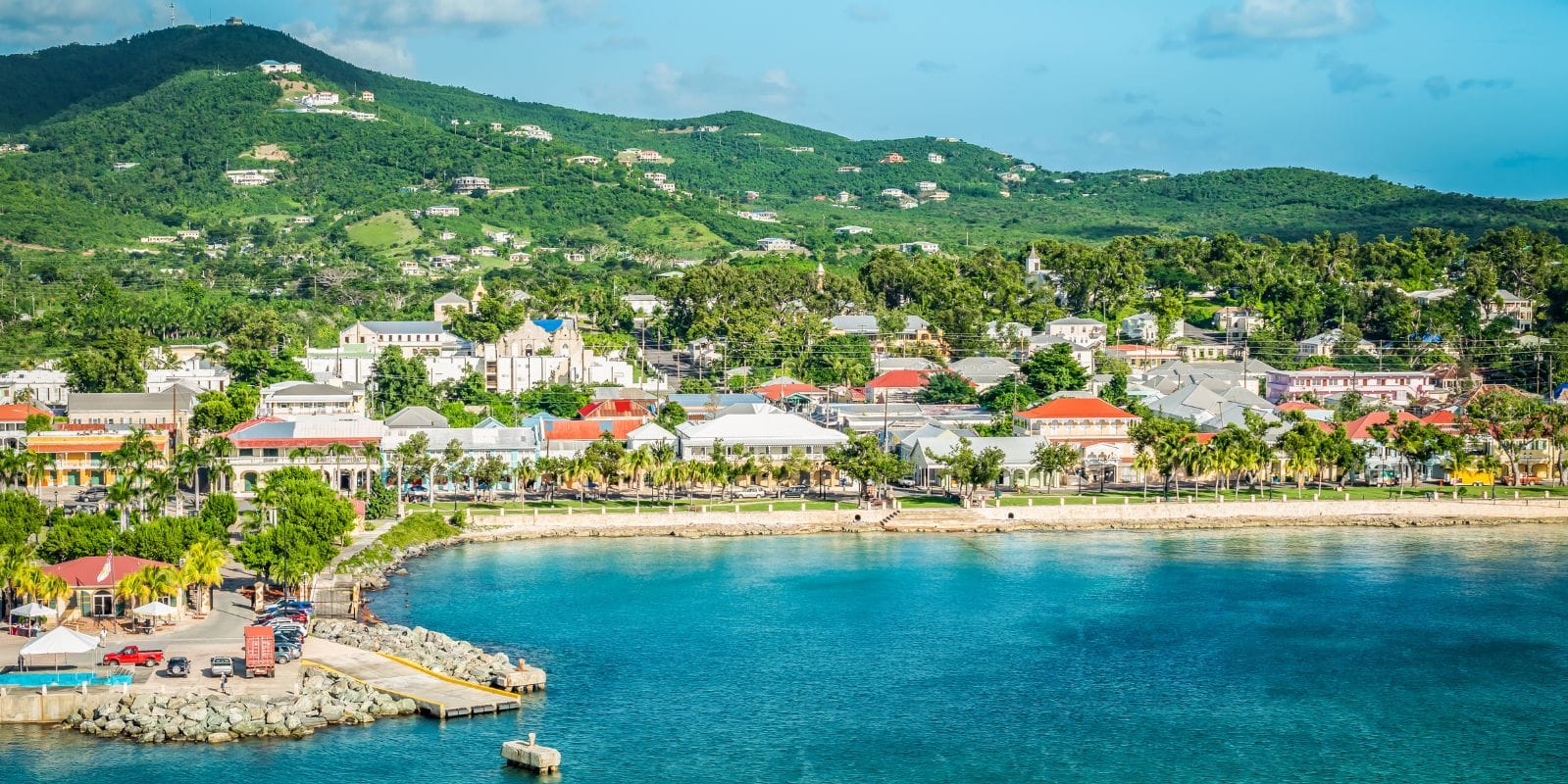
Wondering when is the best time to visit the US Virgin Islands? Discover the ideal seasons for weather, events, and budget travel. From sunny winter escapes to quiet fall getaways, this guide helps you plan the perfect US Virgin Islands vacation.
The US Virgin Islands are known for turquoise waters, clear beaches, and a tropical climate that makes them feel like paradise year-round. But many travelers still wonder: when is the best time to visit US Virgin Islands?
The answer depends on what you’re looking for. Some travelers want the driest, sunniest weather. Others care more about avoiding crowds or finding affordable prices. By understanding the US Virgin Islands' weather, the high and low seasons, and annual events, you can plan a trip that matches your style. Also, don't forget to get an eSIM to stay connected throughout your journey!
Why Timing Matters
Choosing when to visit the US Virgin Islands can affect your entire trip. The weather changes how much time you’ll spend outdoors. Prices fluctuate depending on the season. And big events, like carnivals, can transform the islands into lively celebrations or, if you’re not expecting them, crowded hotspots. Knowing what each season offers helps you balance costs, comfort, and activities for the perfect US Virgin Islands vacation. It will also help you pack appropriately for your trip.
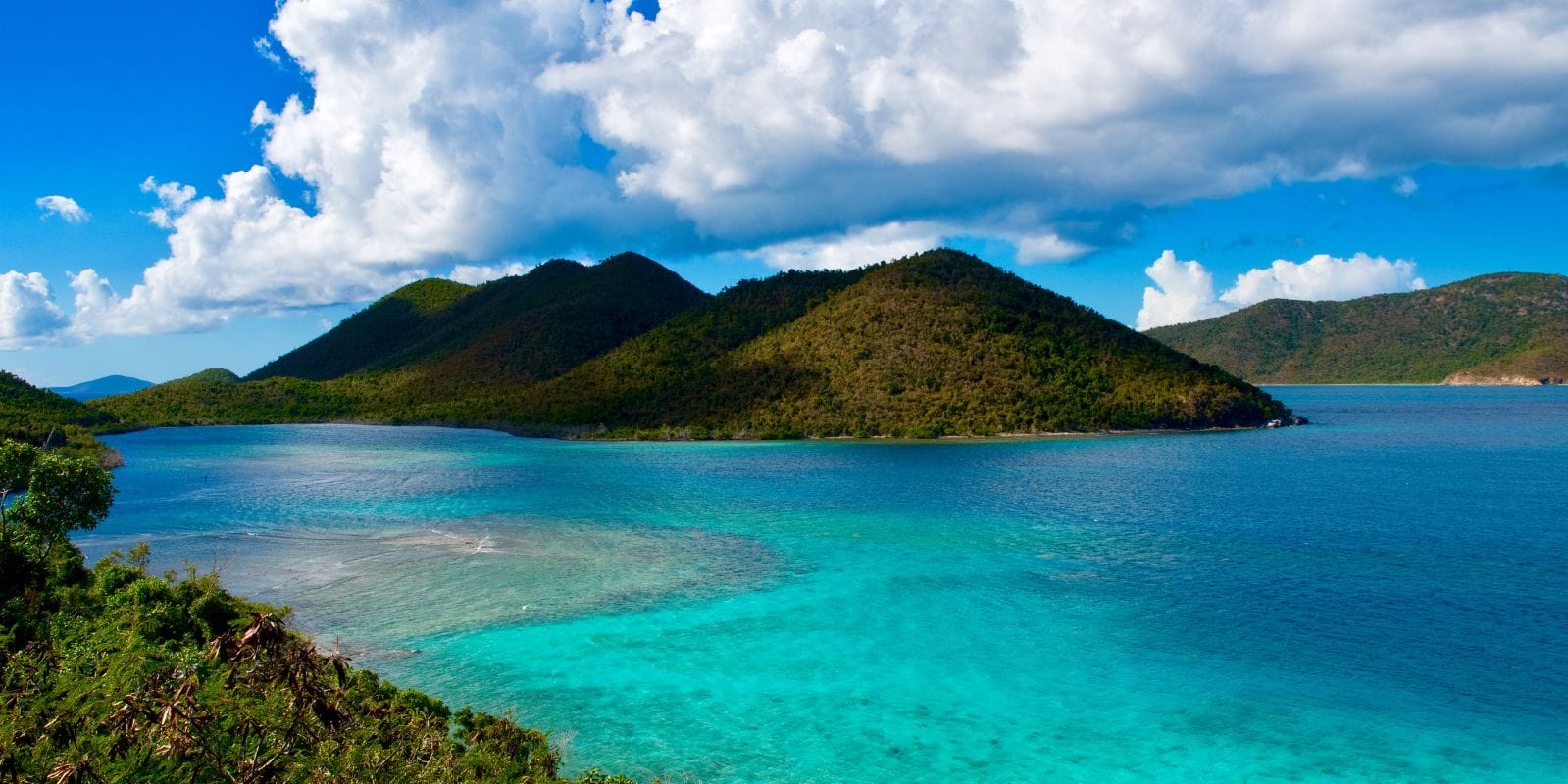
High, Shoulder & Low Seasons in the US Virgin Islands
By knowing the seasons in the US Virgin Islands, you can plan your trip better without any stress!
High Season (December – April)
This is peak travel time. The weather is dry and sunny, with average temperatures around 80°F. Resorts fill up quickly, and flight prices rise. Beaches like Magens Bay in St. Thomas, US Virgin Islands, are packed with tourists. It’s the best time to visit US Virgin Islands if you want guaranteed good weather, but it’s also the most expensive.
Shoulder Seasons (April – June & November)
Shoulder months are the perfect time to travel to the Virgin Islands. You’ll find fewer crowds, lower hotel rates, and warm but comfortable weather. Couples often pick this time because it feels more relaxed and romantic. It’s a popular choice for honeymooners looking to enjoy the scenery without paying high prices.
Low Season (July – October)
The low season brings hotter days, heavier showers, and hurricane risks. It’s also when hotels slash their prices. Travelers who don’t mind occasional rain and plan with flexibility can save a lot. If you’re after a budget-friendly US Virgin Islands vacation, this may be your window.
Best Time to Visit the US Virgin Islands by Season
Some travelers like the summer season, some like the spring, and if you want to visit the US Virgin Islands during a specific season, here is what uyou can expect:
Spring (March – May)
Spring is breezy and warm, perfect for snorkeling and hiking trails in St. John, US Virgin Islands. There are fewer crowds than in winter, which means quieter beaches and easier restaurant reservations. The Easter season also brings family celebrations and church events across the islands.
Summer (June – August)
Summer is busy with families traveling during school breaks. The weather is hot, but the sea is calm, which is great for kayaking and paddleboarding. There are many festivals, food fairs, and plenty of things to do in US Virgin Islands in summer, making this a fun time for travelers who don’t mind the heat.
Fall (September – November)
Fall is the quietest time. The hotel prices are moderate, and you’ll have beaches almost to yourself. It’s also peak hurricane season, so make sure to make flexible travel plans and don't forget the travel insurance. For travelers who want affordability and don’t mind taking precautions, this is still one of the best times to visit US Virgin Islands.
Winter (December – February)
Winter is classic Caribbean weather: dry, sunny, and breezy. It’s the busiest season for good reasons. This is also a festive period with carnival celebrations, holiday events, and cooler nights. Expect higher costs and crowded resorts, but also be prepared to make some of the best memories.
Monthly Weather Guide: US Virgin Islands
Here’s a month-by-month look at the US Virgin Islands' weather so you know what to expect.
|
Month |
Weather Highlights |
Travel Notes |
|
January – February |
Dry, breezy, mild temps (77–82°F) |
Peak season, great for snorkeling and lounging on beaches |
|
March – April |
Peak sunshine, low humidity |
Best for hiking and island-hopping |
|
May – June |
Warmer, beginning of rain |
Fewer crowds, good hotel deals |
|
July – August |
Hotter, wetter, occasional showers |
Still great for family beach time |
|
September – October |
Rainiest, peak hurricane risk |
Bargain season, quietest time |
|
November – December |
Transition to dry season, festivals start |
Great for cultural events and the start of high season |
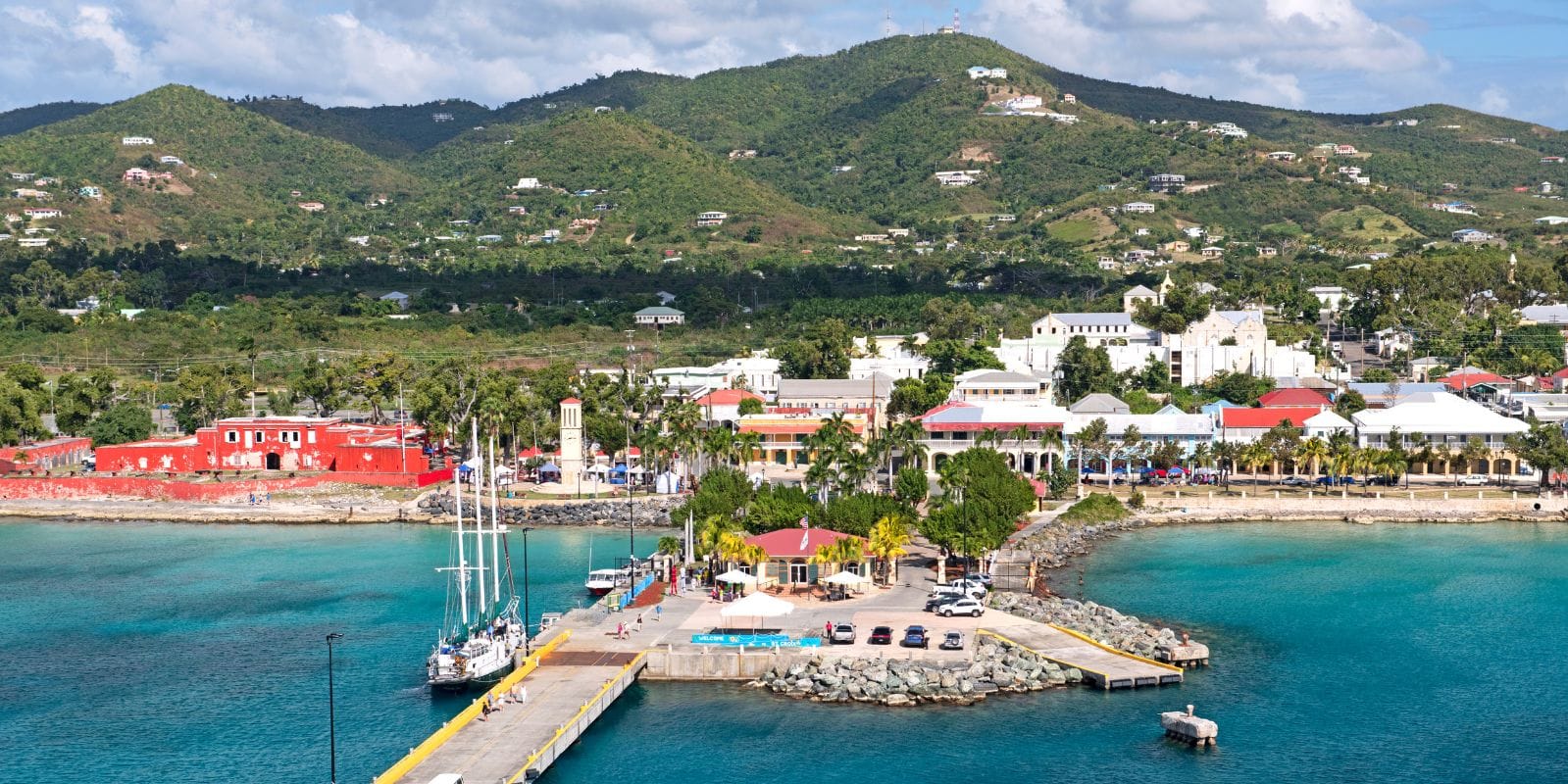
Best Times by Traveler Type
Whether you're a budget traveler, want to enjoy adventure, or are just looking for a relaxed trip, here is what the islands offer to each traveler type:
Weather Seekers
If your main goal is sunshine and low humidity, the best time to visit US Virgin Islands is during the winter and spring months, from December through April. This is when the skies are clear, rain is rare, and cool breezes keep the weather comfortable. It’s the season where you can spend full days on the beach without worrying about sudden showers. Many visitors choose this time for outdoor activities like snorkeling, sailing, or hiking on St. John. The only downside is that it’s also the busiest and most expensive time to visit.
Budget Travelers
Travelers looking for value will find the cheapest prices between September and November. This stretch falls in hurricane season, but it’s also when hotels and airlines offer the best discounts. You’ll find nearly empty beaches, quiet restaurants, and more room to explore local culture. With good planning, flexible bookings, and travel insurance, it’s possible to have a great trip while spending far less than during high season. For many budget-conscious travelers, this period is the best time to visit US Virgin Islands without overspending.
Families
Families often plan their US Virgin Islands vacation during summer break, from June through August. The sea is calm, making it safe for kids to swim and try water sports like paddleboarding and kayaking. Resorts on St. Thomas and St. Croix often offer family packages with kid-friendly activities, while local food festivals add something fun for all ages. Yes, the weather is hotter and slightly wetter, but the lively atmosphere makes summer one of the most enjoyable times for families to travel together.
Couples & Honeymooners
Couples and honeymooners will appreciate the shoulder seasons of April–June and November. These months offer good weather, fewer crowds, and better hotel rates compared to peak winter. With more privacy on beaches and shorter waits at restaurants, it’s easy to find quiet moments. You can enjoy sunset cruises, romantic dinners on the sand, and island-hopping adventures without the tourist crowds. That’s why many travelers say the shoulder months are the best time to visit US Virgin Islands for couples.
Events & Festivals Throughout the Year
The US Virgin Islands offer vibrant festivals year-round. Here are some of the best festivals that are held in the US Virgin Islands, and when you can attend them:
St. Thomas Carnival (April – May)
One of the biggest events in the Caribbean, the St. Thomas Carnival brings the island alive with parades, music, and dancing. Streets fill with colorful costumes, steel drum performances, and local food vendors. It’s a time when both locals and visitors come together to celebrate, making it a highlight of any spring trip.
St. John Carnival (June – July)
This event is one of the most popular in the Caribbean. There are fireworks, live bands, and street parties across St. John, US Virgin Islands. Many travelers plan their summer trips to align with this carnival, which is one of the most exciting cultural events of the year.
St. Croix Mango Melee (July)
Held at the St. George Village Botanical Garden, the Mango Melee celebrates the island’s favorite tropical fruit. Visitors can enjoy cooking competitions, tastings, and family-friendly games. It’s a unique way to experience local culture and sample food in the US Virgin Islands that you won’t find anywhere else.
St. John Food & Wine Festival (November)
For food and wine lovers, this is a must-attend event. Restaurants and chefs across the island showcase their best dishes alongside international wines. It’s the perfect way to kick off the winter travel season and is one of the tastiest things to do in US Virgin Islands.
Hurricane Season: What to Expect
Hurricane season runs from June through November, with the highest risk between August and October. Not every year brings storms, but travelers should plan carefully. Pack a rain jacket, get travel insurance, and always check the forecast. Budget travelers often still choose this time because prices are low.
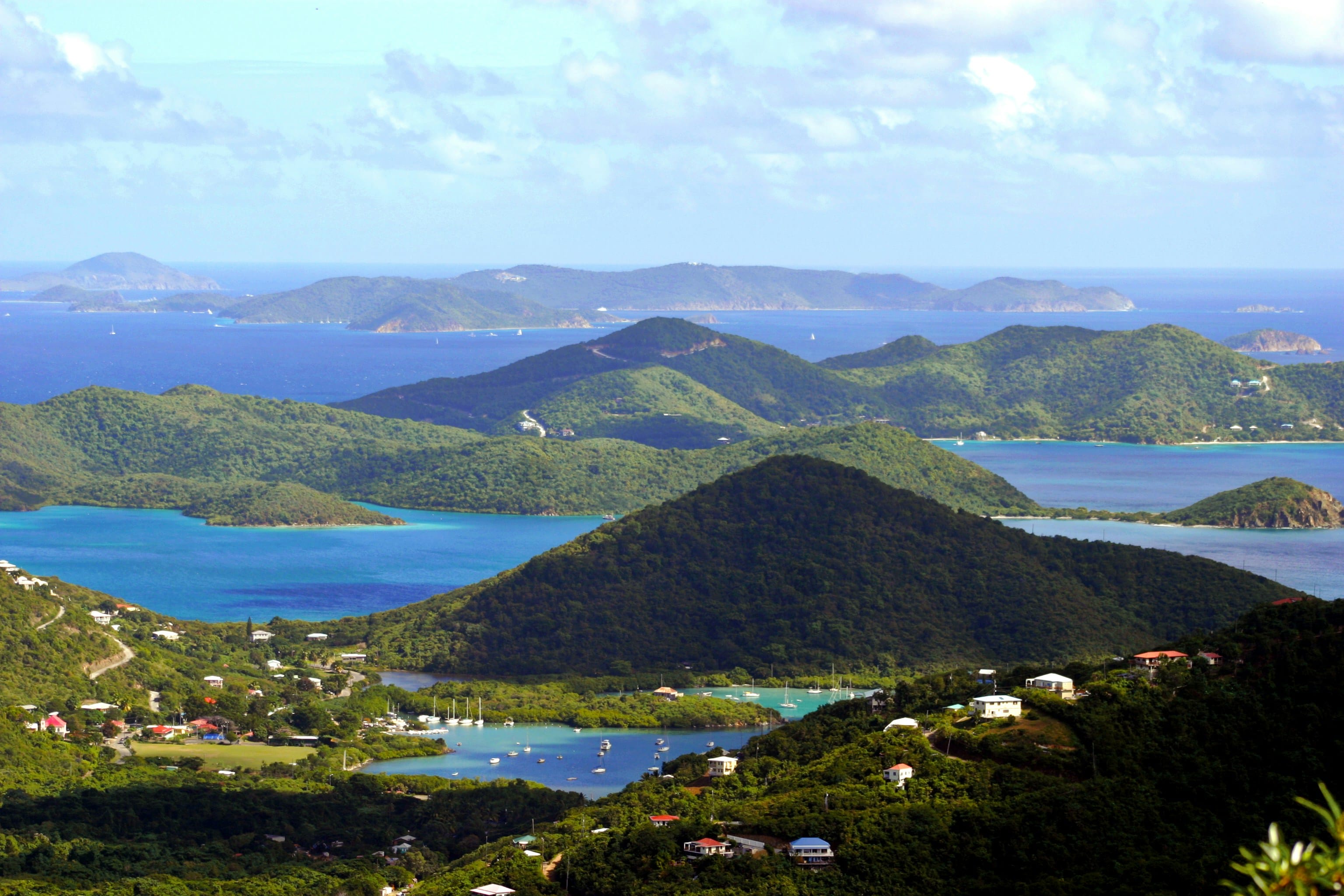
Practical Tips for Planning Your Visit
Whether you're traveling solo, with family, or with your friends, these tips will help you enjoy your trip without any hassle.
Booking Strategies
If you’re traveling in the high season (December–April), it’s smart to book flights and hotels several months ahead. Rooms in popular resorts sell out quickly, and last-minute prices can be very high. On the other hand, if you’re traveling in summer or fall, waiting for last-minute deals can save you hundreds of dollars. Many hotels also offer discounts to attract visitors during slower months.
Typical Daily Conditions
The US Virgin Islands weather stays warm year-round, with average daily highs between 80–90°F. Rainfall is heaviest from September through October, while February and March are the driest months. Humidity rises in the summer, but is offset by winds that make it more comfortable than you might expect. Knowing the weather helps you pack better and plan your activities at the right times of day.
Packing Essentials
No matter the season, pack light clothing, swimsuits, and reef-safe sunscreen. For winter evenings, a light sweater can come in handy. If you’re visiting in summer or fall, bring a rain jacket or poncho to prepare for short tropical showers. Comfortable sandals or water shoes are also useful, especially if you plan to explore rocky beaches or hiking trails.
Staying Connected
Maps, ferry schedules, and weather alerts are easier to manage with a reliable data connection. Jetpac’s eSIM US Virgin Islands is the simplest way to stay online without dealing with roaming charges. Plans are affordable and work across all three main islands.
With Jetpac eSIM for US Virgin Islands, you can use WhatsApp, check Google Maps, or even book last-minute tours instantly. It’s a must-have tool to make your travel stress-free.
Suggested Itineraries by Season
Not every season offers the same experience. Here are sample itineraries to help you plan activities based on when you’re traveling:
Winter Itinerary
Winter is peak season for a good reason, as it has the best weather. Spend your mornings lounging on Magens Bay in St. Thomas, US Virgin Islands, one of the most famous beaches in the Caribbean. Dedicate a day to snorkeling at Trunk Bay in St. John, US Virgin Islands, where the underwater trail is perfect for beginners. In the evenings, enjoy carnival events or try beachfront dining in Charlotte Amalie. This season is lively and festive, so be prepared for crowds, but also some of the most memorable experiences.
Spring Itinerary
Spring offers warm weather with fewer people compared to winter. Start with a hike in Virgin Islands National Park on St. John, where trails lead to stunning overlooks and quiet coves. In April, consider ferrying to St. Croix for its historic towns and calm beaches. May is an excellent time for wine and food tours, with fewer lines and easier access to popular spots. It’s also ideal for couples looking for adventure and relaxation.
Summer Itinerary
Summer is family-friendly and lively. Book a boat trip to explore nearby cays or go dolphin-watching, which kids love. Calm waters make kayaking, paddleboarding, and snorkeling safe and fun. Families can also attend St. Croix’s Mango Melee festival in July for a taste of local culture. While the heat is at its peak, the islands have a playful, busy vibe during these months that keeps travelers entertained. Just make sure to pack appropriately so you can enjoy your trip without any stress.
Fall Itinerary
Fall is the quietest and cheapest time to visit. Spend mornings enjoying nearly empty beaches and afternoons exploring local markets or food festivals. This is the best time for travelers who want to experience island life without big crowds. Since it’s hurricane season, keep flexible plans and always check the forecast. For those willing to take precautions, fall provides an authentic, low-cost way to see the islands.
Stay Connected Anywhere in the US With an eSIM From Jetpac
Whether you’re traveling for a week or a month, staying online makes your US Virgin Islands vacation more enjoyable. With eSIM US Virgin Islands and US Virgin Islands eSIM plans from Jetpac, you’ll have reliable coverage to check bookings, find hidden beaches, and stay in touch. Plans are affordable, connect instantly, and even if your data runs out, you can still use essential apps like WhatsApp and Google Maps.
FAQ
When is the best time to visit US Virgin Islands?
December through April is considered the best because of dry, sunny weather. For fewer crowds and reasonable prices, April–June and November are also excellent choices.
What is the cheapest time of year to go to the U.S. Virgin Islands?
September through November is the cheapest time to visit US Virgin Islands. Resorts drop prices, but it’s also hurricane season, so make sure to make flexible plans.
What is hurricane season in the Virgin Islands?
Hurricane season runs from June through November, peaking in August and October. Travelers should monitor forecasts and get travel insurance.
When not to go to the U.S. Virgin Islands?
Most travelers avoid September and October, when storms are more likely and rain is heavy. These months still suit budget travelers, but the weather can be unpredictable.
What is the safest U.S. Virgin Islands to visit?
All the islands are safe, but St. John, US Virgin Islands, is often considered the quietest and most relaxed. St. Thomas, US Virgin Islands, is busier, with more nightlife and cruise activity.
How many days do you need in the U.S. Virgin Islands?
A week is ideal to visit the U.S. Virgin Islands. This gives you enough time to see multiple islands, try water sports, and enjoy both busy and quiet beaches.
Do you need a passport for US Virgin Islands?
If you’re wondering, do you need a passport for US Virgin Islands trips? No, you don't need a passport if you’re traveling from the mainland or if you're a US citizen. International visitors, however, must bring a passport.
So, when is the best time to visit the US Virgin Islands? It depends on what you want most. Winter brings perfect weather but higher prices, spring has better climate and moderate crowds, summer is lively for families, and fall is cheapest, though riskier due to hurricanes.
Regardless of when you go, staying connected is essential. With Jetpac eSIM US Virgin Islands and US Virgin Islands eSIM options, you’ll have affordable, reliable coverage to explore stress-free. That way, your only focus will be enjoying the beaches, festivals, and culture of this Caribbean paradise while you'll have enough data to stay connected!