
Worst Times to Visit Thailand: Every Traveler Should Avoid
Planning a Thailand trip? Learn the worst times to visit Thailand, whether it’s scorching summer heat, monsoon rains, smoky burning season, or peak tourist crowds. Get tips by region, month-by-month weather, and advice on staying connected with an eSIM.
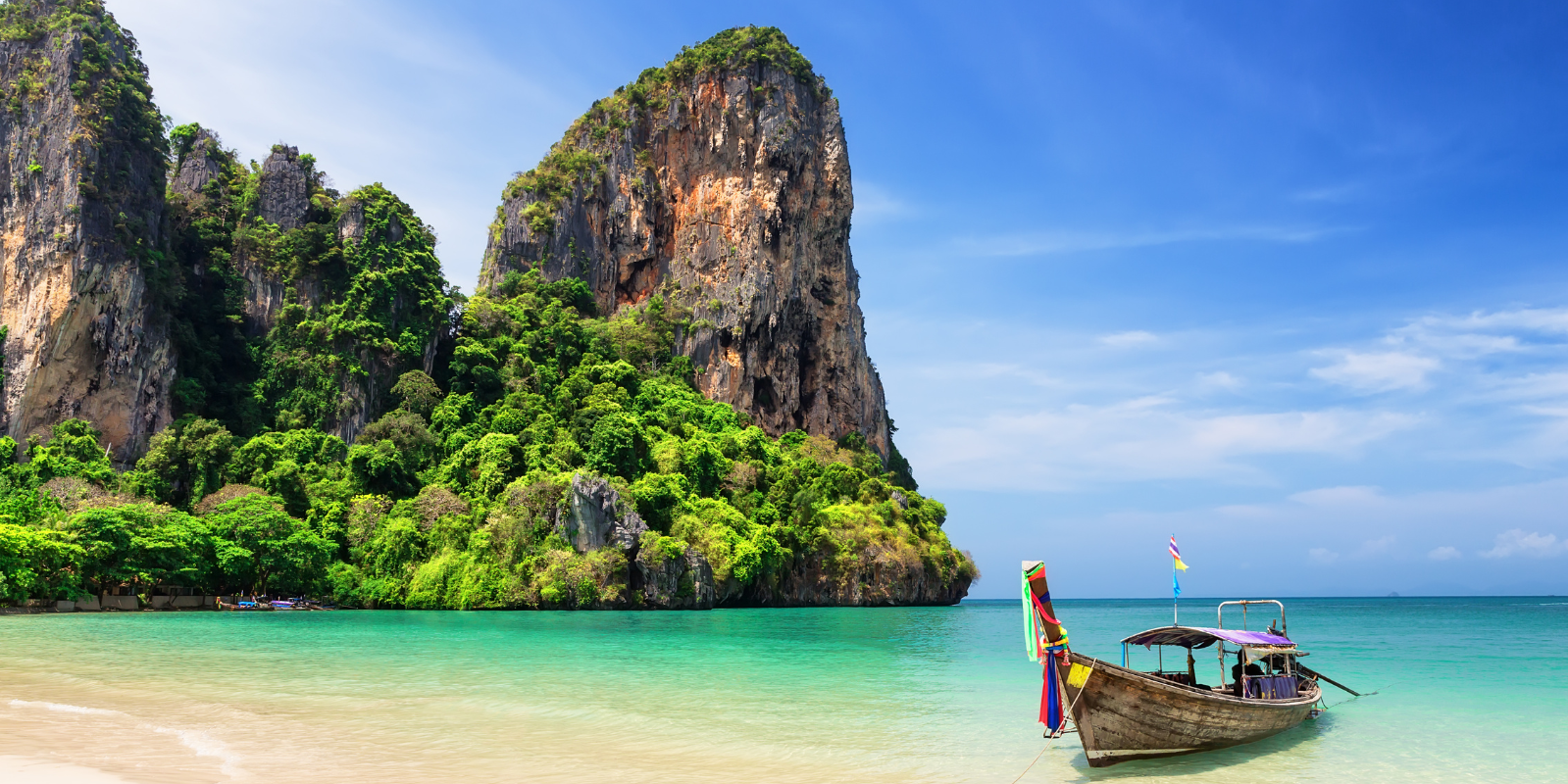
Planning a Thailand trip? Learn the worst times to visit Thailand, whether it’s scorching summer heat, monsoon rains, smoky burning season, or peak tourist crowds. Get tips by region, month-by-month weather, and advice on staying connected with an eSIM.
Thailand is one of the most popular tourist destinations in Asia. The country is home to the beaches that look like they belong on a postcard, markets that never seem to end, temples full of history, and food that will keep you coming back for more. But even a place like Thailand has seasons that can turn your dream trip into something far less enjoyable.
The weather, the crowds, and even the air can make a huge difference. If you’ve heard stories of people arriving only to spend days indoors because of rain or smog, that’s not an exaggeration. Knowing the worst times to visit Thailand means you can plan better and avoid disappointment. Also, getting an eSIM for Thailand will make your trip smoother and more enjoyable.
Why Some Times of Year Are the Worst in Thailand
Thailand doesn’t really have a “bad” time in the sense of being closed off to visitors. But certain months can make your experience uncomfortable. The heat can feel like you’re walking through steam. The rains can flood entire streets. In the north, the air itself can feel heavy because of smoke. And then there are the months when the weather is nice, but the crowds are so much that you can barely move.
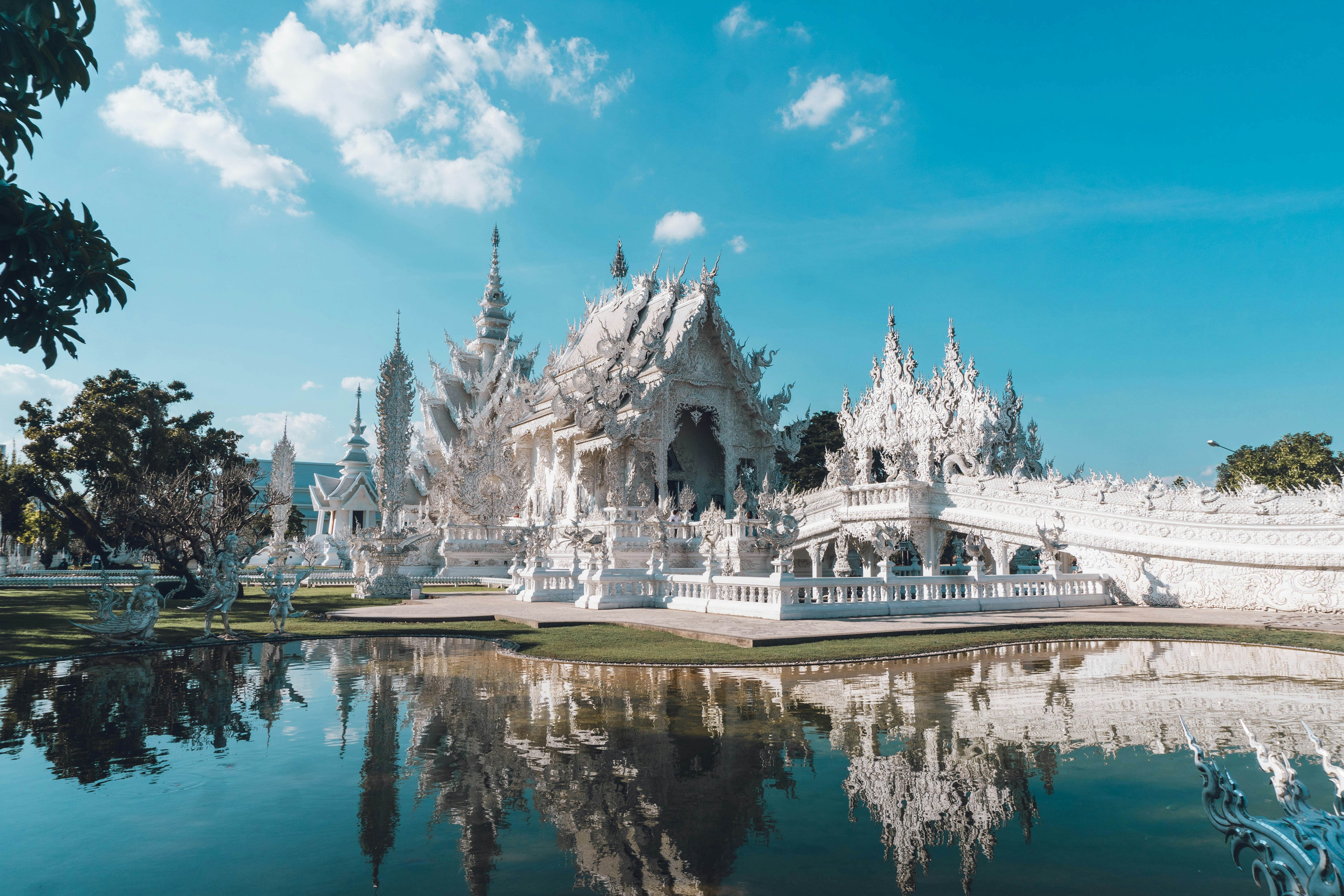
What's The Worst Time to Visit Thailand
People often ask when is the worst time to visit Thailand. The truth is, there isn’t one single answer because it depends on where you’re going. Generally, though, there are four periods that travelers struggle with most. The hottest months are between March and May, the long monsoon that stretches from May to October, the smoky burning season in the north between February and April, and the packed tourist season around December and January.
Hot Season (March to May) – The Scorching Summer Months
If you’re wondering when is the worst time to visit Thailand? Well, for many people, it’s the summer months. If you visit during March, April, or May, be prepared for some of the highest temperatures you’ll experience anywhere in Southeast Asia. Bangkok can feel unbearable with the heat trapped between tall buildings. Exploring temples or walking through markets becomes exhausting very quickly.
This time of year is also the worst time to visit Bangkok because the heat never seems to ease up. Even the beaches aren’t much of a break. The sand is hot enough to sting your feet, and the sea feels warm rather than refreshing. Visitors often cut their sightseeing short simply because of the discomfort.
Monsoon Season (May to October) – When Rains Disrupt Travel Plans
The rains start in late May and last until October. Some days you might only see a heavy shower in the afternoon. On others, it will pour all day long. Roads can flood quickly, flights are delayed, and ferries often get canceled.
On the islands and beaches, the seas turn rough, and swimming can be dangerous. Families traveling with children usually avoid this time because even short trips can be unpredictable. Still, if you are flexible, prices drop during these months, and some travelers enjoy the quieter atmosphere.
Burning Season in Northern Thailand (February to April)
Northern Thailand has its own issue that many visitors are not aware of until they arrive. Between February and April, farmers burn fields, and the smoke lingers in the air. Chiang Mai and Chiang Rai are usually the hardest to visit during this time.
Air quality drops so much that outdoor activities become unpleasant. Hikes in the mountains lose their appeal because you cannot see the views through the haze. Anyone with asthma or allergies may struggle. This is, without question, the worst time to visit Thailand if your plan is to enjoy the north.
Peak Tourist Season (November to February) – Worst for Prices and Crowds
The cooler and drier months from November to February are often promoted as the best time to go to Thailand. And weather-wise, that’s true. The problem is that everyone else knows it too.
Flights and hotels cost far more during Christmas, New Year, and Chinese New Year. Beaches are packed, temples are crowded, and popular markets feel overwhelming. Festivals like Loi Krathong are beautiful, but the sheer number of people makes it stressful for travelers who prefer quieter experiences. This stretch of time is often described as Thailand tourist season, and while the conditions are great, the atmosphere can feel chaotic.
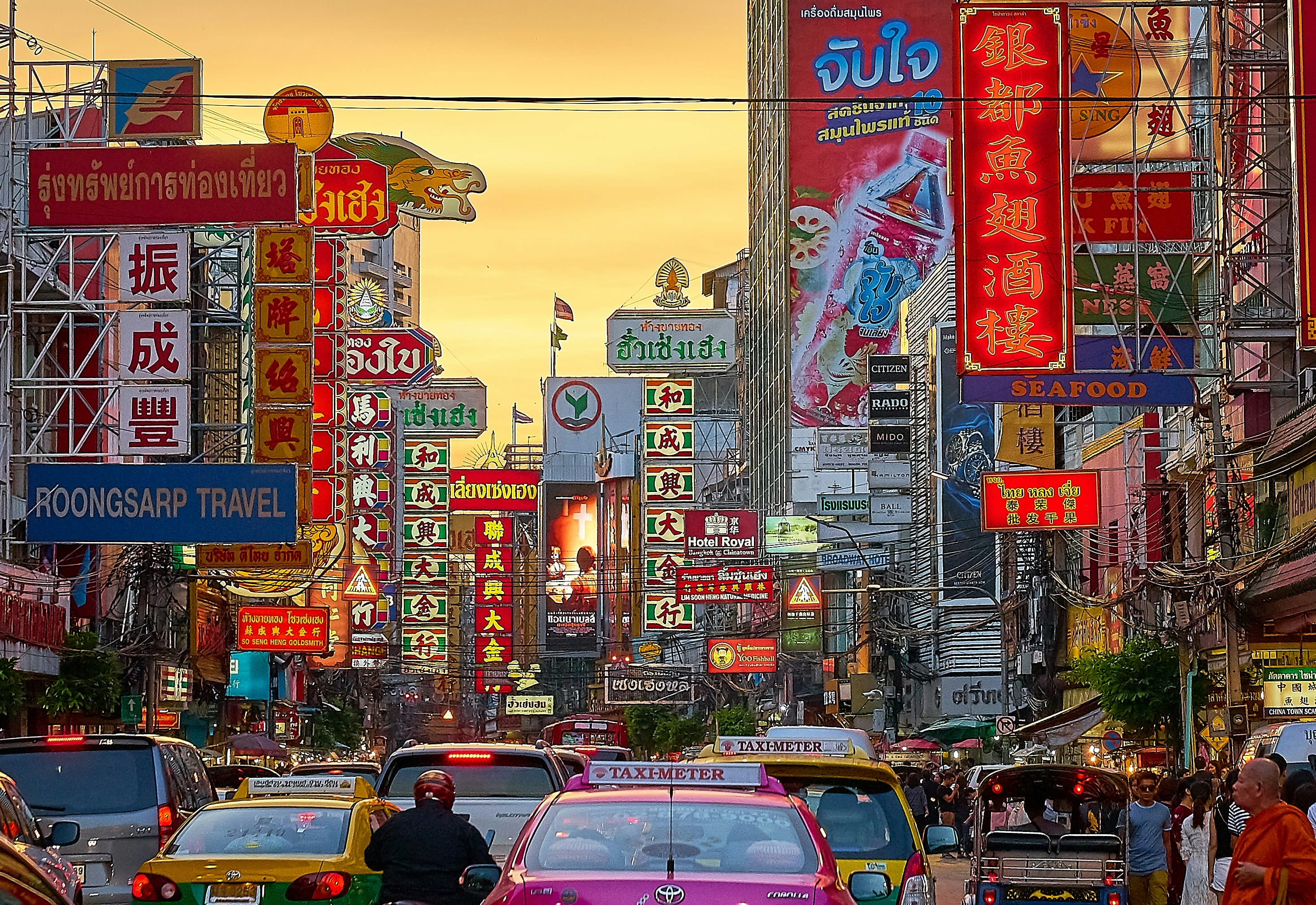
Worst Times by Region and City
Thailand is not one-size-fits-all. The weather shifts a lot depending on where you are, and that means the worst time to visit Bangkok might not be the same as the worst time to visit Chiang Mai or Phuket.
Bangkok and Central Thailand
Bangkok is a city that never really slows down, but the months from March to May test even the locals. The heat is intense, and exploring the Grand Palace or shopping at Chatuchak Market sounds exciting until you realize you are drenched in sweat within minutes. Central areas like Ayutthaya and Lopburi face the same challenge. If sightseeing is your goal, these months can feel like the worst time to visit Bangkok.
Northern Thailand
Chiang Mai, Chiang Rai, and the surrounding mountains are famous for cooler weather and scenic views, but between February and April, the burning season makes the air thick with smoke. Hikes lose their appeal, temples that should sit against a mountain backdrop look hazy, and health concerns become real for travelers with asthma or allergies.
Phuket, Krabi, and the Andaman Coast
The Andaman side is at its stormiest from June through October. Beaches are less inviting with strong waves and unsafe swimming conditions. Ferries often get canceled, and island-hopping becomes difficult. While some travelers appreciate the lower hotel rates, many end up stuck indoors during heavy downpours. If your dream trip involves clear blue water and long days by the sea, these months are not ideal for visiting.
Koh Samui and the Gulf Islands
The Gulf islands, including Koh Samui, Koh Phangan, and Koh Tao, have their own rainy season that arrives later than the Andaman side. October through December is when the skies open up and the storms hit hardest. Roads flood, boat transfers become unreliable, and lazy beach days are interrupted by constant rain. These islands are beautiful, but during these months, you will likely be spending more time indoors than on the sand.
Month-by-Month Guide – When Not to Visit Thailand
If you are planning a trip, it really helps to look at Thailand month by month. Each period has its own challenges, whether it’s heat, rain, smoke, or too many people packed into the same spots.
January: Cool and dry across most of the country, but also one of the busiest months of the year. This is considered Thailand tourist season, so expect high hotel prices and big crowds, especially in Phuket and Bangkok.
February: The Weather is still nice in most regions, but northern Thailand starts to feel the effects of the burning season. Views around Chiang Mai lose their shine as smoke builds up.
March: The hot season arrives in full swing. Bangkok and central Thailand are scorching, and the north continues to deal with haze. Outdoor sightseeing becomes difficult in March.
April: Thailand’s hottest month. Songkran, the Thai New Year water festival, is a highlight, but it doesn’t change the fact that you’ll be sweating through clothes within minutes outdoors.
May: Heat continues, and the first big monsoon rains begin. Travel gets unpredictable with sudden storms and flooding.
June: The monsoon settles in across much of the country. Heavy rain means delays and rough seas on the islands.
July: Rain continues, though there are occasional dry spells. Beaches on the Andaman coast are far less enjoyable during this month.
August: Still part of the rainy season, and not much changes. It is a cheap time to travel, but expect storms to interfere with plans.
September: Often the wettest month of the year. Flooding is common in Bangkok, and many ferries to islands are canceled. This is considered the low point of the monsoon.
October: Rain begins to ease in some areas, but the Gulf islands like Koh Samui see their wettest stretch. Travel can be hit or miss depending on the region.
November: The dry season begins again, and the weather is beautiful almost everywhere. The tourist crowds start to return in full force.
December: Comfortable weather, clear skies, and cool nights make December very popular. Unfortunately, this means packed beaches, busy streets, and much higher prices.
|
Month |
Average High Temperature |
Average Rainy Days |
|
January |
33°C / 91°F |
2 |
|
February |
33°C / 91°F |
2 |
|
March |
34°C / 95°F |
5 |
|
April |
37°C / 99°F |
8 |
|
May |
34°C / 93°F |
17 |
|
June |
33°C / 91°F |
19 |
|
July |
32°C / 90°F |
20 |
|
August |
32°C / 90°F |
21 |
|
September |
31°C / 88°F |
22 |
|
October |
31°C / 88°F |
20 |
|
November |
31°C / 88°F |
10 |
|
December |
31°C / 88°F |
4 |
So, What are the Best Months to Go to Thailand
If you want the most reliable weather, November through February is generally considered the best time to go to Thailand. The skies are clear, the heat is more manageable, and it rarely rains. The trade-off is higher prices and more people.
Travelers who want fewer crowds often choose late October or early March. Those months avoid the heaviest rains and most of the burning season, while still offering fairly good conditions.
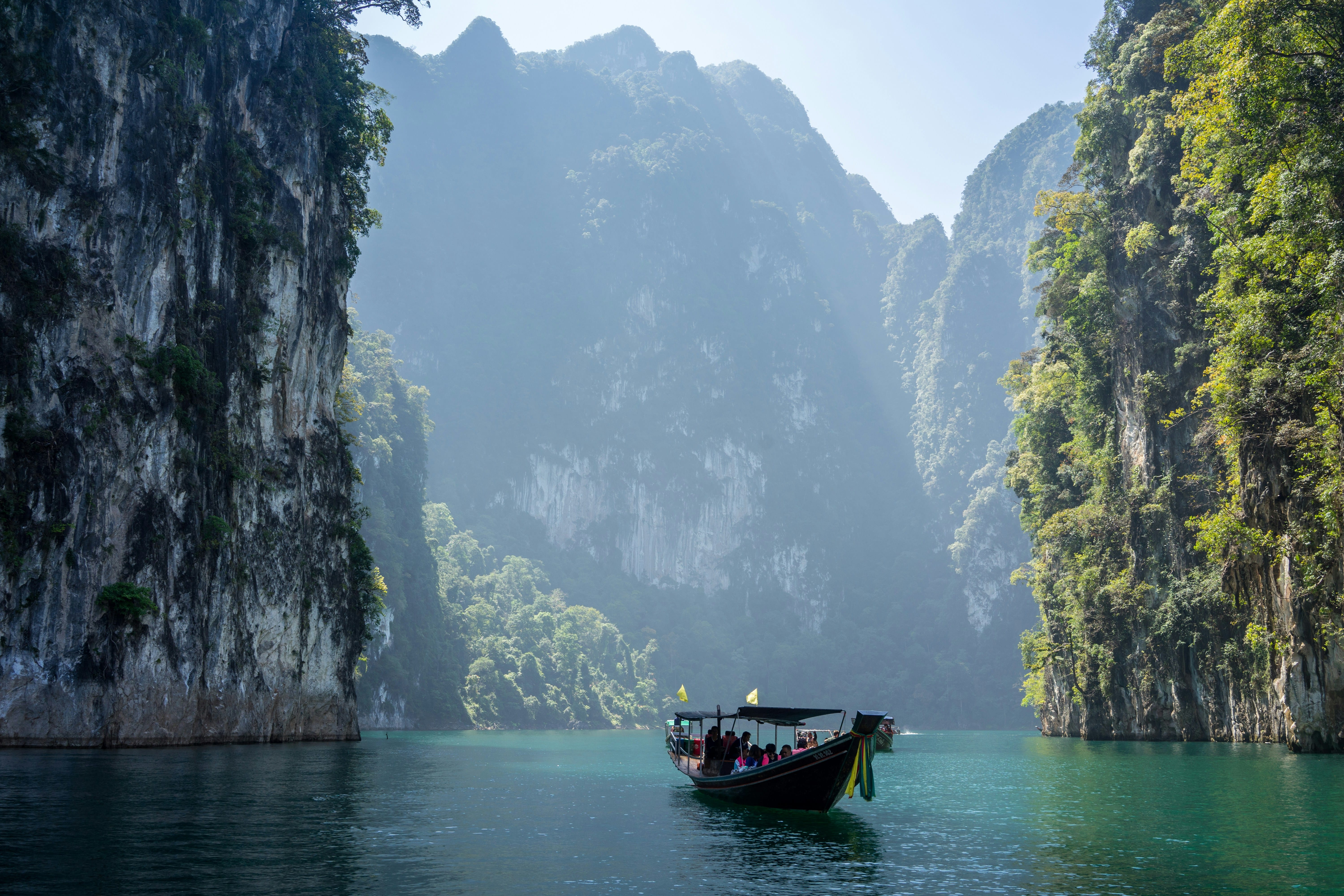
Tips if You End Up Traveling During the Worst Times
Sometimes you just cannot change your vacation dates. If your trip falls during the worst time to visit Thailand, it does not mean you should cancel. It just means you need to prepare a little differently. Here are some practical ways to make the most of your trip, no matter what season you land in.
Staying Safe in the Heat
Plan sightseeing in the early morning or evening when the sun is lower. Drink water often and wear light clothing, a hat, and sunscreen. Take regular breaks in shaded areas or air-conditioned cafes. If you start to feel weak or lightheaded, stop and rest.
Packing for the Monsoon
Bring a lightweight rain jacket or poncho, plus waterproof shoes or sandals. A dry bag will keep phones and passports safe during sudden downpours. Keep small bills handy for taxis or tuk-tuks when the rain makes walking impossible.
Handling Air Pollution
If you are in the north during the burning season, use a proper mask. Many hotels provide air purifiers, and it’s recommended to choose indoor activities on smoky days. Cooking classes, cafes, and museums are good options when the air quality is poor. Travelers with asthma or allergies should limit their stay or avoid the north entirely during this period.
Saving Money in Peak Season
Flights and hotels are cheaper if booked months in advance. Smaller guesthouses often cost less than large resorts while still offering comfort. Lesser-known islands give you the same weather without the tourist crowds. Eating at local markets is not only more affordable but often more enjoyable than crowded restaurants.
Your Travel Companion Beyond Seasons: Jetpac eSIM in Thailand
No matter when you choose to visit Thailand, staying connected through eSIM Thailand is going to make your trip smoother. From looking up train schedules to finding that hidden noodle shop, having internet on the go saves time and frustration. With a Jetpac eSIM for Thailand, you can set everything up before you even leave the airport. There’s no need to search for SIM card shops or deal with confusing phone plans. You just scan a code, and your phone is ready to use. You can also download the Jetpac app and track your data usage.
An eSIM Bangkok plan is especially helpful if your trip starts in the capital. It makes getting around easier, whether you are calling a Grab, checking temple opening hours, or translating a menu on the spot. The same plan works across the country, so you can move from Bangkok to Chiang Mai to the islands without switching cards.
If you face any issues, you can always contact their customer support.
FAQ
What month should I avoid Thailand?
The months to avoid depend on what you want to do, but generally March to May is uncomfortably hot, June to October is dominated by the monsoon rains, and February to April is smoky in the north because of the burning season.
What is the cheapest month to visit Thailand?
September is usually the cheapest month to visit Thailand. It falls right in the middle of the rainy season, so flights and hotels are often heavily discounted to attract travelers.
How bad are the mosquitoes in Thailand?
Mosquitoes are present all year in Thailand, but they are especially noticeable during the rainy season. Using insect repellent, wearing long sleeves in the evening, and sleeping under nets in rural areas are simple ways to avoid problems.
What is the most crowded month in Phuket?
December and January are the most crowded months in Phuket. The weather is perfect, so tourists from all over the world arrive for the holidays, which makes beaches and resorts feel very busy.
Do you need a visa for Thailand?
Many travelers do not need a visa for short stays. For example, citizens of several countries can enter Thailand visa-free for up to 30 days. But you may need a visa if you’re going there as a digital nomad. It is important to check your specific passport requirements before you travel.
Are beaches still accessible during the rainy season?
Beaches in Thailand are still open during the rainy season, but the sea can be rough and swimming is not always safe. It is better to enjoy the views, take walks, or relax on the sand rather than swim when waves are strong.
Can I still enjoy Thailand if I visit during the worst time?
You can still enjoy Thailand during the worst times if you adjust your expectations. Indoor attractions, cultural activities, and food experiences are still excellent even if the weather is not ideal.
What is the Thailand weather in December?
Thailand weather in December is usually sunny, dry, and comfortable, which makes it one of the most popular months to visit. The only drawback is that it is also peak tourist season, so crowds and prices are at their highest.
Final Thoughts
The worst time to visit Thailand depends on what you want to do and where you’re going, but being aware of the seasons can save you a lot of frustration.
If you can, pick the shoulder months where the weather is still pleasant but the crowds are less. Or even the Thailand weather in December is pleasant enough to visit. But, no matter when you go, the food, the culture, and the warmth of the people are worth it. Just prepare for the season you’re stepping into, and remember that simple things like an eSIM Thailand or an eSIM Bangkok plan can make your journey easier.